
Celebrating Makar Sankranti: Significance and Date for 2026
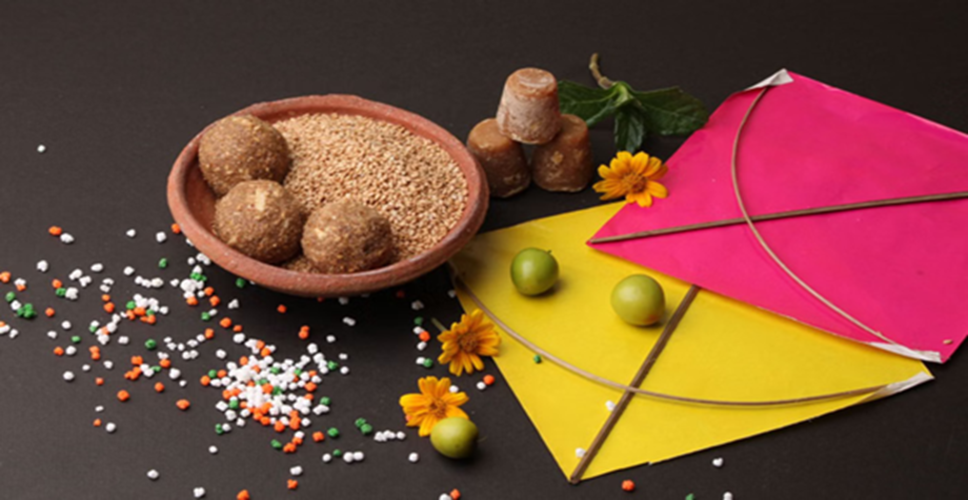
Makar Sankranti Overview
Makar Sankranti Date: Makar Sankranti is a significant and joyous festival in Hindu culture, marking the first major celebration of the new year. This festival holds both religious and social importance, with various regions in India celebrating it under different names. For instance, it is known as the Khichdi festival in Bihar and Uttar Pradesh, Lohri in Punjab and Haryana, Pongal in Tamil Nadu, and Magh Bihu or Bhogali Bihu in Assam. On this auspicious day, devotees honor the Sun God, enjoy traditional foods like sesame seeds and jaggery, and pray for abundance in their lives and fields.
Cultural Practices and Charity
Moreover, Makar Sankranti is a time for charitable acts and good deeds. Engaging in rituals such as taking a holy dip and giving alms is deemed highly auspicious. The festival is further enriched by kite flying, festive meals, and family gatherings, making it a cherished occasion. Let’s explore the date for Makar Sankranti in 2026 and the most favorable times for rituals.
Significance of Makar Sankranti
Makar Sankranti is revered as a sacred festival in Hinduism. This day marks the transition of the Sun from Sagittarius to Capricorn. Capricorn is associated with Lord Shani (Saturn), and the dynamic between Saturn and the Sun is often viewed as a conflict between father and son. It is believed that on this day, the Sun visits the house of Saturn (Capricorn), which is why Makar Sankranti is celebrated on either January 14th or 15th each year.
Makar Sankranti 2026: Date and Auspicious Time
Date: Wednesday, January 14, 2026
Punya Kaal (Auspicious Time): 02:49 PM to 05:45 PM
Maha Punya Kaal (Most Auspicious Time): 02:49 PM to 03:42 PM
Importance of Rituals
Performing a holy dip in sacred rivers and offering water to the Sun God is considered extremely auspicious on this day. Additionally, donating items such as sesame seeds, jaggery, khichdi, warm clothing, blankets, and food grains holds special significance. These virtuous actions are believed to not only bring merit to the individual but also provide satisfaction to their ancestors.
Why Makar Sankranti is Celebrated
Makar Sankranti signifies the onset of the harvest season and marks the end of the winter solstice, heralding longer days. Astrologically, it indicates the Sun's journey towards the northern hemisphere, a phase known as Uttarayan. In many regions, this day is also celebrated as a kite festival. The festival is referenced in the Mahabharata and the Puranas, where it is noted that Bhishma Pitamah awaited the Sun's transition into Uttarayan while lying on a bed of arrows, and it was during this time that he departed from his earthly existence. Another legend tells of the Ganges River, which, following King Bhagiratha, flowed through Sage Kapila's ashram and ultimately merged with the ocean.
Connect with Us
PC Social Media