
Celebrating Guru Nanak Jayanti: The Importance of Langar in Sikhism

Guru Nanak Jayanti 2026: A Celebration of Equality and Community
Guru Nanak Jayanti 2026: The birth anniversary of Guru Nanak Dev Ji, the founder of Sikhism, is celebrated nationwide with immense respect and joy, referred to as 'Prakash Parv' or 'Gurupurab'. On this day, Gurdwaras are adorned with decorations, and activities such as *kirtan* (devotional singing), *ardas* (prayers), and *nagar kirtan* (processions) take place. A key highlight of Guru Nanak Jayanti is the *langar* (community kitchen) service, which embodies a noble tradition in Sikhism where individuals from all backgrounds—irrespective of caste, religion, or social status—gather to share a meal.
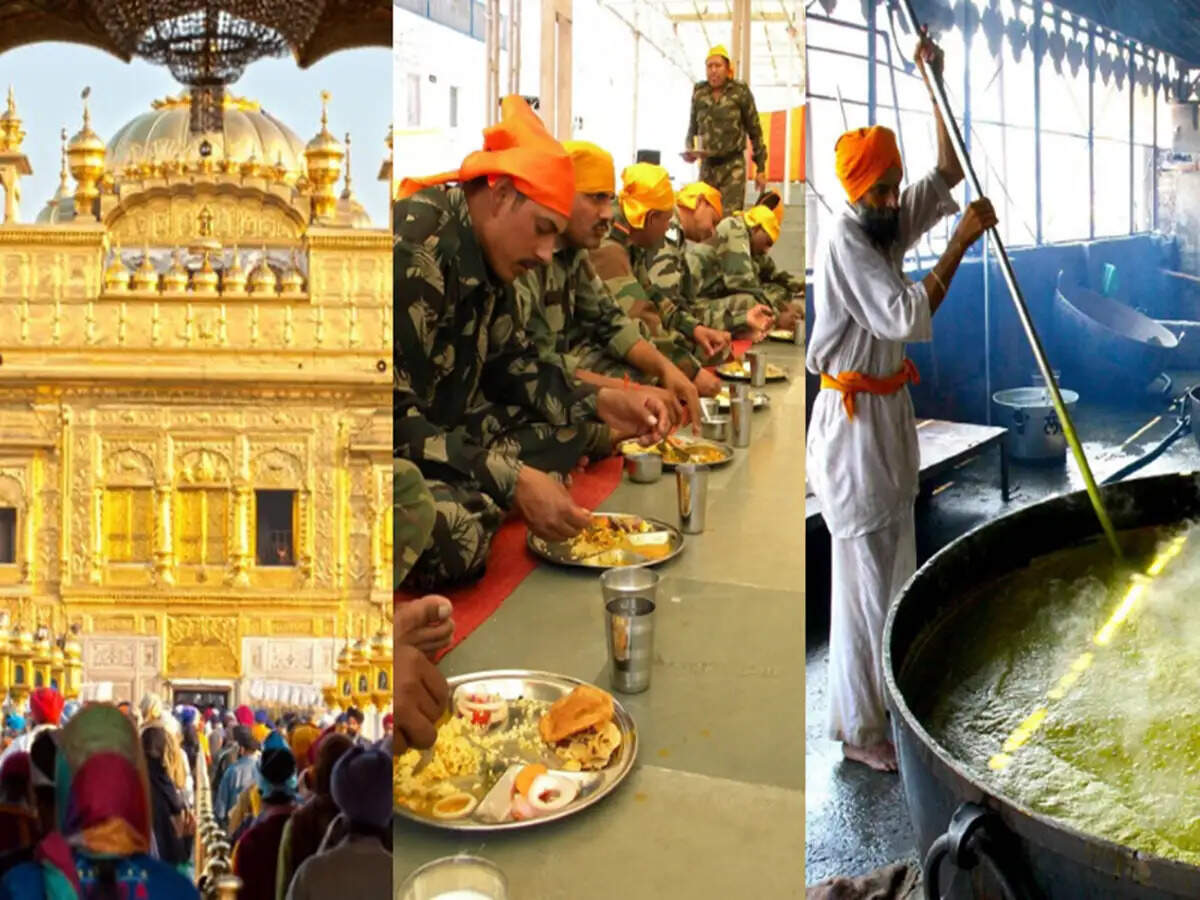
Throughout India, numerous historic Gurdwaras serve *langar* daily, with the number of participants surging during special occasions and *Gurupurabs*. Some of these Gurdwaras are globally recognized for their extensive community kitchens, historical importance, and ongoing service. To commemorate Guru Nanak Jayanti, let’s delve into five notable Gurdwaras in the country where the *langar* tradition is particularly significant.
1. Sri Harmandir Sahib (Golden Temple), Amritsar
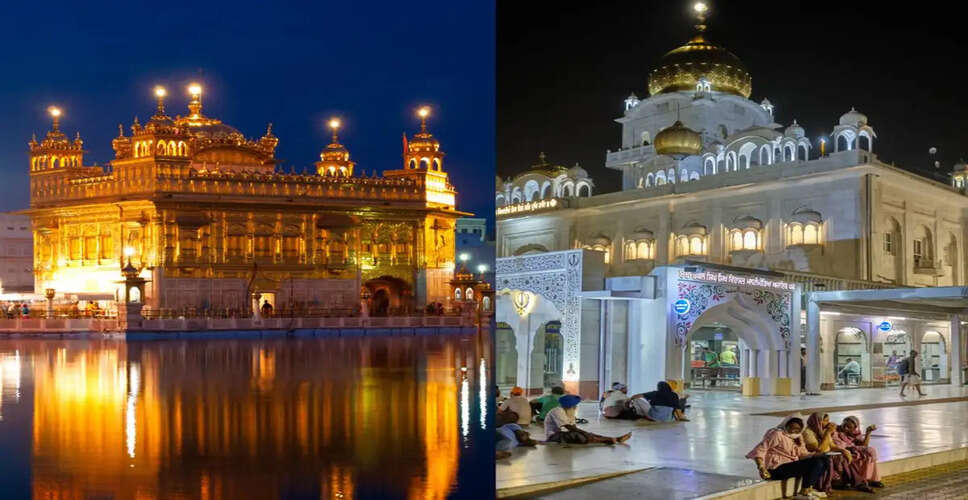
Located in Amritsar, Punjab, Sri Harmandir Sahib, commonly known as the Golden Temple, is one of the most revered religious sites in Sikhism. The 'Guru Ramdas Ji Langar Hall' here is recognized as one of the largest community kitchens worldwide.
Daily, thousands of devotees are served complimentary meals, and during special events, the number of participants can surpass one lakh (100,000). A defining aspect of this tradition is that everyone is seated together and served food equally.
2. Gurdwara Bangla Sahib, New Delhi
Located near Connaught Place in Delhi, Gurdwara Bangla Sahib is among the most prominent Gurdwaras in the country. Its striking white marble architecture, golden dome, and sacred *sarovar* (pool) draw numerous devotees. Daily, many visitors come to pray and enjoy the *langar*. During Gurupurab, special Kirtan and Langar services are held here.
3. Gurudwara Sis Ganj Sahib, Delhi
Situated in Chandni Chowk, Old Delhi, Gurudwara Sis Ganj Sahib holds significant historical and religious value. This Gurdwara is linked to the martyrdom of the ninth Sikh Guru, Guru Tegh Bahadur Ji. Devotees come to pray (Ardas) and participate in the Langar service. On Guru Nanak Jayanti, the site is beautifully decorated, attracting a larger crowd of devotees.
4. Takht Sri Patna Sahib, Bihar
Located in Patna, the capital of Bihar, Takht Sri Harimandir Ji Patna Sahib is one of the five Takhts (thrones/seats of authority) in Sikhism and the birthplace of the tenth Sikh Guru, Guru Gobind Singh Ji. Devotees from across the nation visit this site. During Gurupurab, special religious events, Kirtan, and Langar services are organized.
5. Takht Sri Hazur Sahib, Nanded
Positioned along the banks of the Godavari River in Nanded, Maharashtra, Takht Sri Hazur Sahib is one of the five main Takhts of Sikhism. This location is associated with the life of Guru Gobind Singh Ji. Daily, Langar is provided for devotees, with special events and services held during Guru Nanak Jayanti and other major Sikh festivals.
Understanding the Importance of Langar
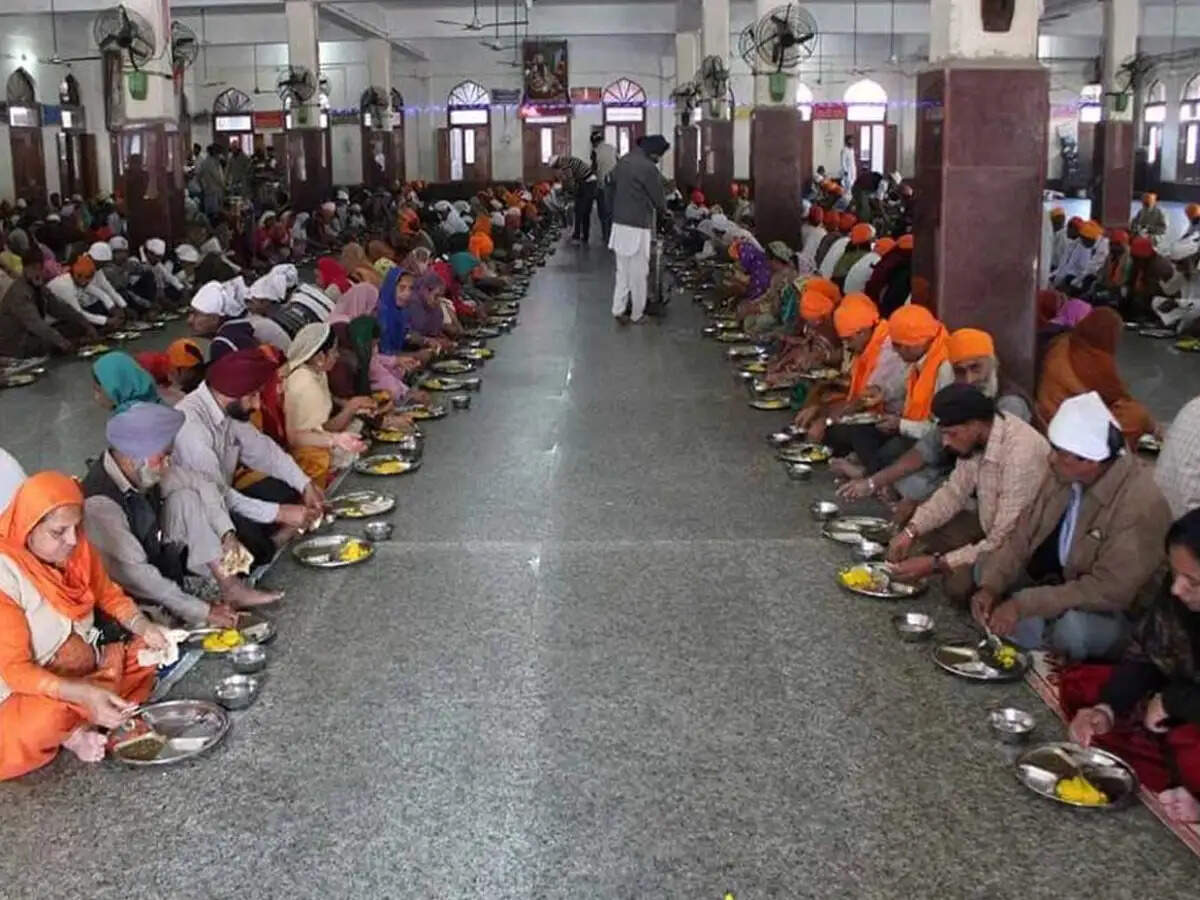
Langar transcends mere food provision; it symbolizes equality, service, and humanity. Guru Nanak Dev Ji's teachings emphasize the importance of treating all individuals as equals and sharing meals. In the Langar, people sit together in rows (pangats), and volunteers serve food selflessly. This tradition is a cornerstone of the Sikh faith and exemplifies unity within society.