
Celebrating Devuthani Ekadashi: Significance and Rituals
Understanding Devuthani Ekadashi
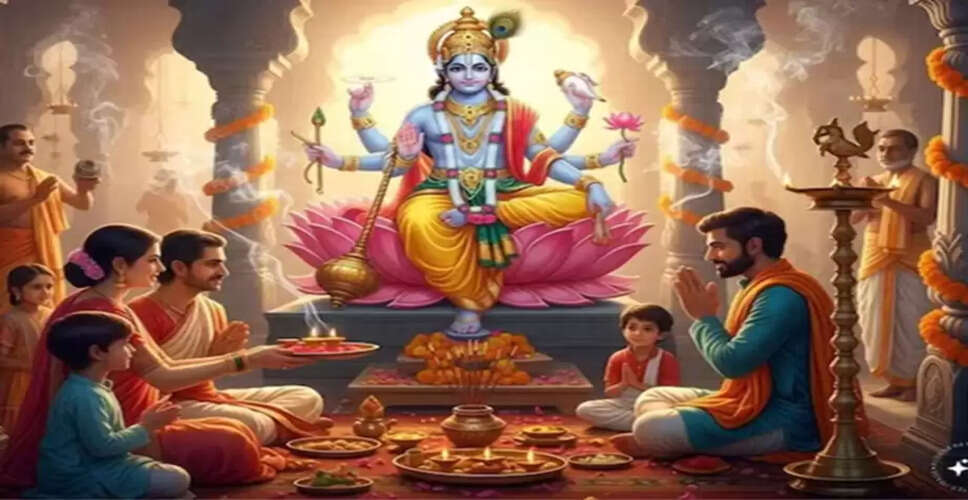
Devuthani Ekadashi, also referred to as Prabodhini Ekadashi, is observed on the Ekadashi of the Shukla Paksha (the waxing phase) in the month of Kartik as per the Hindu calendar. This day is particularly significant as it marks the awakening of Lord Vishnu from his Yognidra (divine slumber). The commencement of auspicious activities is believed to occur with Lord Vishnu's awakening after the four-month period known as Chaturmas. This day is regarded as highly sacred and beneficial from a spiritual standpoint.
Significance of Tulsi Vivah

Tulsi Vivah Ceremony
The Tulsi Vivah ceremony is of great importance on Devuthani Ekadashi. On this day, Tulsi Mata is ceremonially wed to Lord Shaligram, a representation of Lord Vishnu. This symbolic union is not only spiritually significant but also brings joy, tranquility, prosperity, and sweetness to households. Couples facing challenges in their marital life are encouraged to perform the Tulsi Vivah on this auspicious day.
Fasting and Worship Practices
Observing Fasting
Fasting on this day is believed to confer special blessings. Devotees typically take a morning bath, pledge to observe the fast, and maintain it throughout the day. Lord Vishnu is honored with yellow flowers, Tulsi leaves, Panchamrit, and various offerings. Reciting the Vishnu Sahasranaam, reading the Gita, and singing devotional hymns are practices that promote mental peace and dispel negativity.
Decorations and Charity
Deep Daan and Home Decoration
Adorning homes with lamps on Devuthani Ekadashi is considered extremely auspicious. Lighting lamps and creating rangoli, particularly around the Tulsi Chaura, infuses the home with positive energy. This day is recognized as the first major celebration following Diwali, often referred to as "Dev Diwali."
Charitable Acts
Engaging in charitable acts such as donating food, clothing, blankets, and money to those in need on this day is highly commendable. It is believed that such donations yield immense rewards and bring peace to the souls of ancestors.
A New Beginning
Resuming Auspicious Activities
During the Chaturmas period, auspicious events like marriages, housewarmings, and tonsure ceremonies are not conducted. However, these activities recommence after Devuthani Ekadashi, symbolizing a fresh start.
Conclusion
Devuthani Ekadashi transcends being merely a religious observance; it serves as a chance to invite positive energy, joy, peace, and prosperity into one’s life. Actions taken with sincerity and devotion on this day are believed to yield auspicious outcomes.
Social Media
PC Social Media