
Celebrating Compassionate Heroes: The Evolution of Doctors in Indian Cinema

The Unsung Heroes of Indian Cinema
For many years, Indian films have showcased heroes who triumph over villains and restore justice through remarkable acts. However, some of the most memorable heroes in this cinematic landscape have never wielded a weapon. Instead, they have embraced stethoscopes, tackling life's most challenging issues with empathy, determination, and quiet strength.
A Shift in Portrayal
The depiction of doctors in Indian films has undergone significant transformation over the years. Once seen as flawless healers driven solely by idealism, contemporary medical characters are now portrayed with greater depth. On this Doctor's Day, we reflect on cinematic physicians who demonstrate that true heroism often lies in the simple act of caring.
Healing Beyond Medicine
Few characters in Indian cinema have made as profound an emotional impact as Dr. Bhaskar Banerjee from Anand (1971). Portrayed with subtlety by Amitabh Bachchan, this doctor is not defined by miraculous cures but by his compassion. His bond with terminally ill Anand (Rajesh Khanna) teaches audiences that a physician's role transcends mere treatment; sometimes, the most significant contribution is helping a patient maintain their dignity.
A Hero Against the System
Ek Doctor Ki Maut (1990) sheds light on the challenges faced by scientific innovation within a flawed healthcare system. Based on the experiences of physician-scientist Dr. Subhash Mukhopadhyay, the film follows Dr. Dipankar Roy, played with understated brilliance by Pankaj Kapur. His groundbreaking work is met with bureaucratic hurdles, professional envy, and institutional indifference, making it one of the most poignant portrayals of medical professionals in Indian cinema.
Healing the Mind
Screenshot
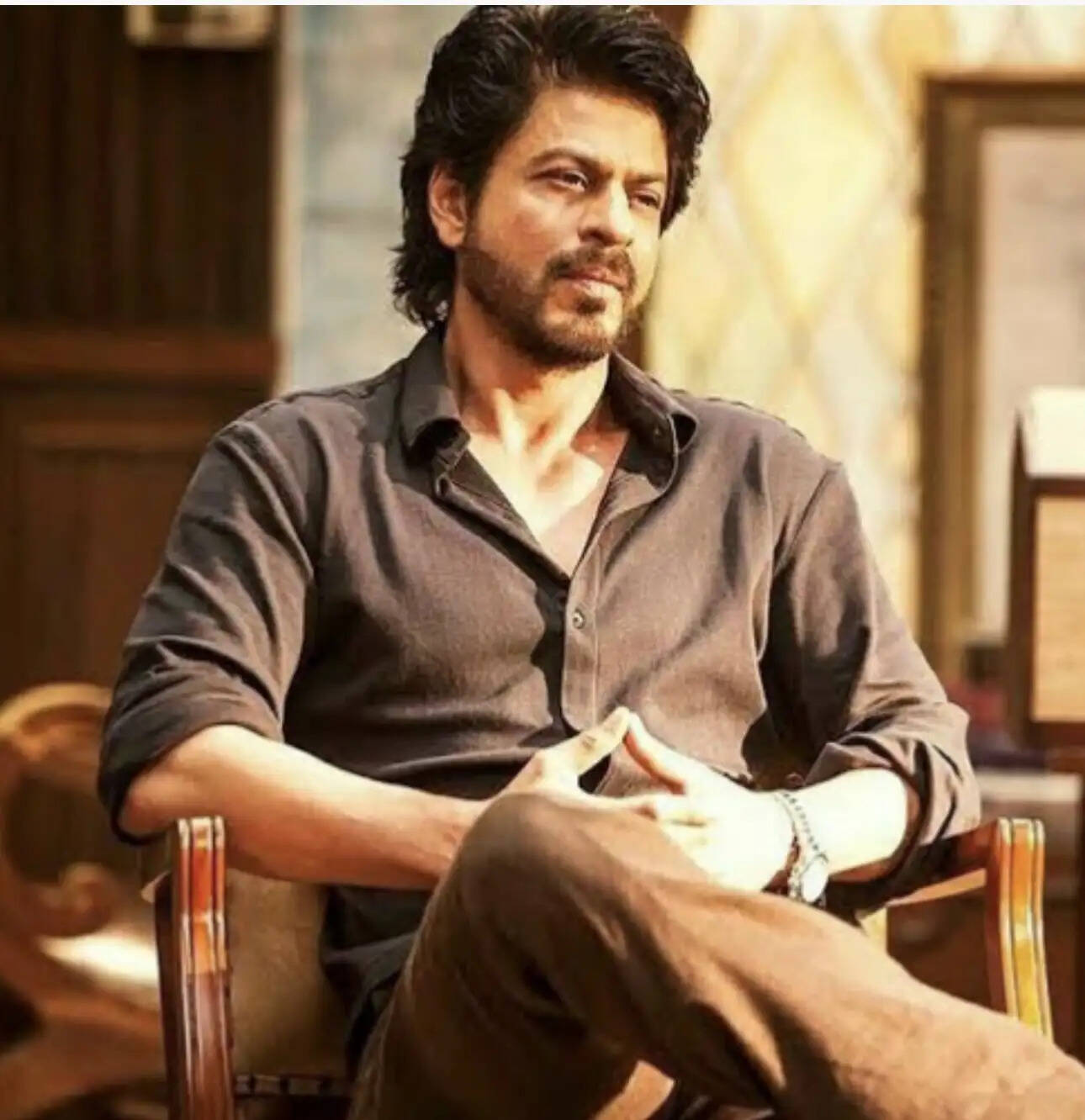
In Dear Zindagi (2016), Shah Rukh Khan breaks away from the typical portrayal of an omniscient doctor to embody Dr. Jehangir Khan, a compassionate mental health professional who aids a young cinematographer in navigating her emotional turmoil. Rather than providing quick solutions or dramatic revelations, Dr. Jehangir fosters self-exploration, vulnerability, and acceptance through thoughtful dialogue and gentle humor. His approach made mental health discussions more relatable to mainstream Indian audiences during a time when such topics were still largely stigmatized.
Challenging Bias with Compassion
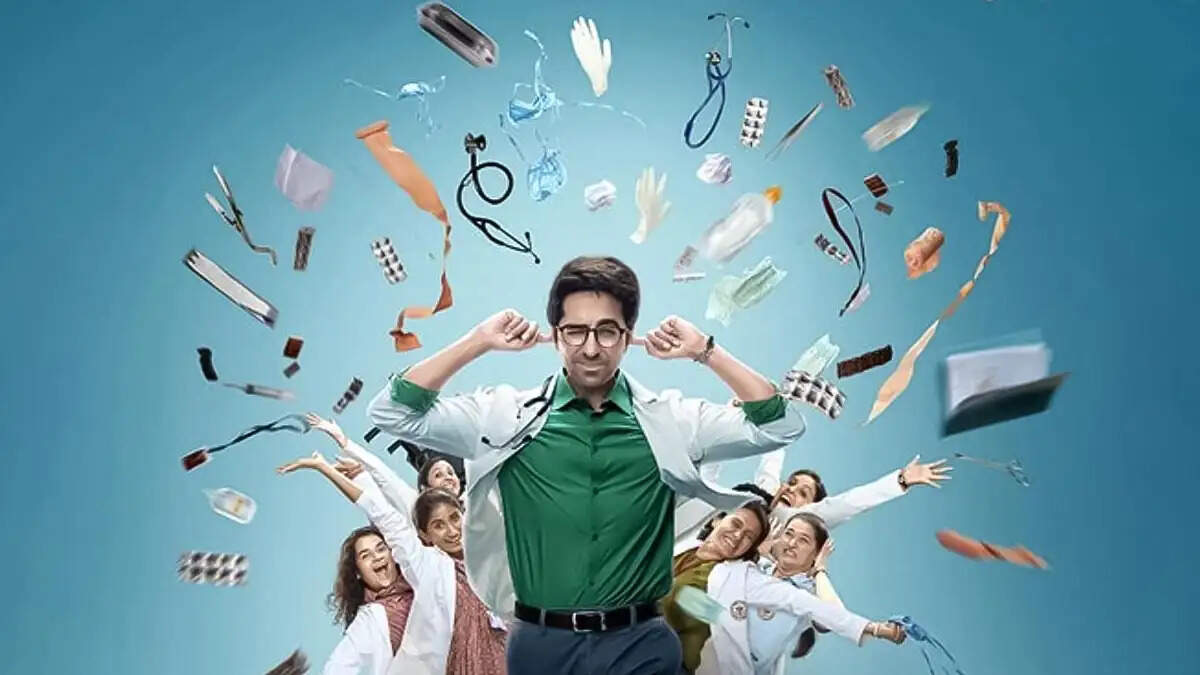
Modern medical dramas increasingly address societal attitudes alongside medical practices. Doctor G (2022) exemplifies this through Dr. Uday Gupta, portrayed by Ayushmann Khurrana, a medical resident in gynecology. Initially uneasy in a field traditionally associated with women, Uday must confront his biases and ultimately learns that empathy is far more important than gender. Dr. Nandini, played by Shefali Shah, plays a crucial role in facilitating this transformation.
Where Trust Becomes the Best Prescription

Set against the backdrop of rural India, Dr. Prabhat's journey in Gram Chikitsalay (2025) highlights that healthcare extends beyond clinical skills. Played by Amol Parashar, this young doctor learns that earning the trust of villagers is just as crucial as writing prescriptions. Faced with limited resources, deeply ingrained traditions, and inadequate infrastructure, his story reflects the challenges encountered by countless doctors serving rural communities, where patience and community involvement are as essential as medical expertise.
When Ethics Meet Ambition

Not every unforgettable doctor on screen fits the mold of a traditional hero. Shefali Shah's Dr. Gauri Nath in Human (2022) stands out as one of the most ethically complex medical characters in recent Indian narratives. A renowned neurosurgeon whose ambition often crosses ethical lines, she becomes central to a gripping exploration of pharmaceutical trials, corporate influence, and the misuse of medical authority. Rather than portraying doctors as infallible, Human raises challenging questions about accountability, privilege, and the repercussions of unchecked ambition, making Dr. Gauri Nath one of the genre's most intriguing antiheroes.