
Celebrating Baisakhi 2026: A Cultural Mosaic Across India
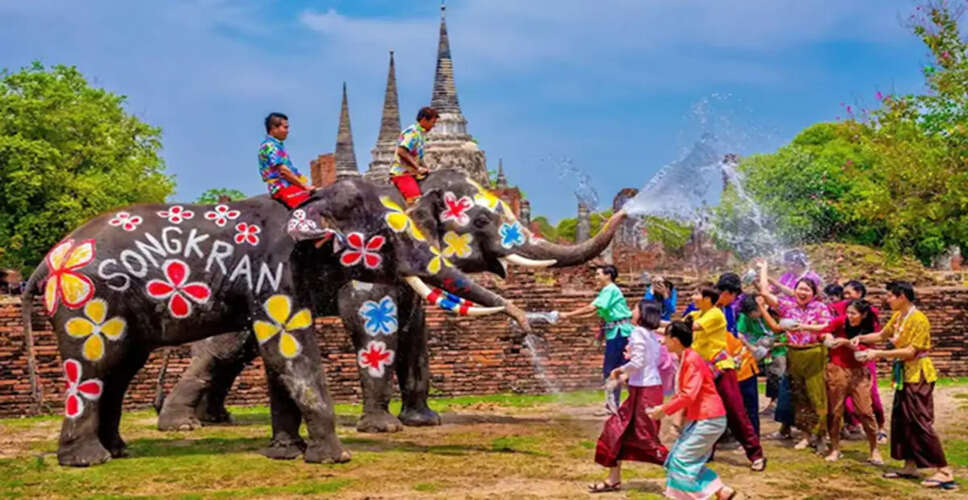

Baisakhi Festival 2026: A Celebration of Diversity
Baisakhi Festival 2026: India is renowned for its rich diversity, with unique customs and traditions celebrated in every state. This cultural richness is what distinguishes India from other nations. On Tuesday, the festival of Baisakhi will be observed across the country, albeit under different names. In various regions, Baisakhi signifies the New Year, while in others, it heralds the onset of the harvest season as crops mature. Regardless of the name, the essence of this day remains consistent. In this article, we explore the various ways Baisakhi is celebrated throughout India.
In North India, especially in Punjab, Haryana, and Uttar Pradesh, this festival is referred to as Baisakhi and *Mesh Sankranti*. This day marks the Sun's transition from Pisces (*Meen Rashi*) to Aries (*Mesh Rashi*), which influences the length of daylight and signals the rapid rise in summer temperatures. In Punjab and Haryana, this day is celebrated as a time for crop harvesting and commemorates the establishment of the *Khalsa Panth* by Guru Gobind Singh Ji, marking a significant moment in Sikh history.
In Uttarakhand, the festival is called *Bikhot* (or *Bikhotri*), while in Odisha, it is celebrated as *Maha Vishuva Sankranti*. The *Bikhot* festivities occur on April 14th and 15th, focusing on the worship of Lord Latu Dev. Devotees offer *Prasad* (sacred food) made from grains to the deities, and cultural fairs are held outside temples.
In Assam, the festival known as *Rangali Bihu* is celebrated on April 14th, marking the Assamese New Year. On this day, homes are decorated with *Rangoli* designs, and people indulge in traditional sweets. Cultural events featuring *Bihu* dances, folk songs, and the lively sounds of the *Dhol* (drums) and *Pepa* (hornpipe) fill the air. Young people dress in traditional Assamese attire, while women prepare special festive meals.
Bengal also observes Baisakhi as the New Year, known as Poila Baisakh, which begins on April 14th according to the Bengali calendar. The day features the *Mangal Shobhajatra*, a festive procession recognized as a UNESCO Cultural Heritage.
In South India, the festival is celebrated as *Vishu*, marking the Malayali New Year. In Kerala, it is customary to offer fresh yellow flowers to the deities, and in some temples, idols are adorned with both yellow flowers and gold.
In Tamil Nadu, the festival is called *Puthandu*, where households prepare a special dish known as *Manga Pachadi*. This dish is made using seasonal fruits, including mangoes, tamarind, jaggery, and neem.
PC Social Media