
Celebrating Amla Navami: Traditions and Significance


Amla Navami 2026: A Day of Reverence
Amla Navami 2026: The festival of 'Akshaya Navami,' observed in the month of Kartika, is marked by a unique custom of honoring the Amla tree (Indian gooseberry) and enjoying a meal in its shade. On this day, many women, after their morning bath, visit an Amla tree to offer their prayers and share a meal with their families. Have you ever considered the origins of this tradition of dining under the Amla tree? There is a fascinating legend involving Goddess Lakshmi that sheds light on its beginnings.
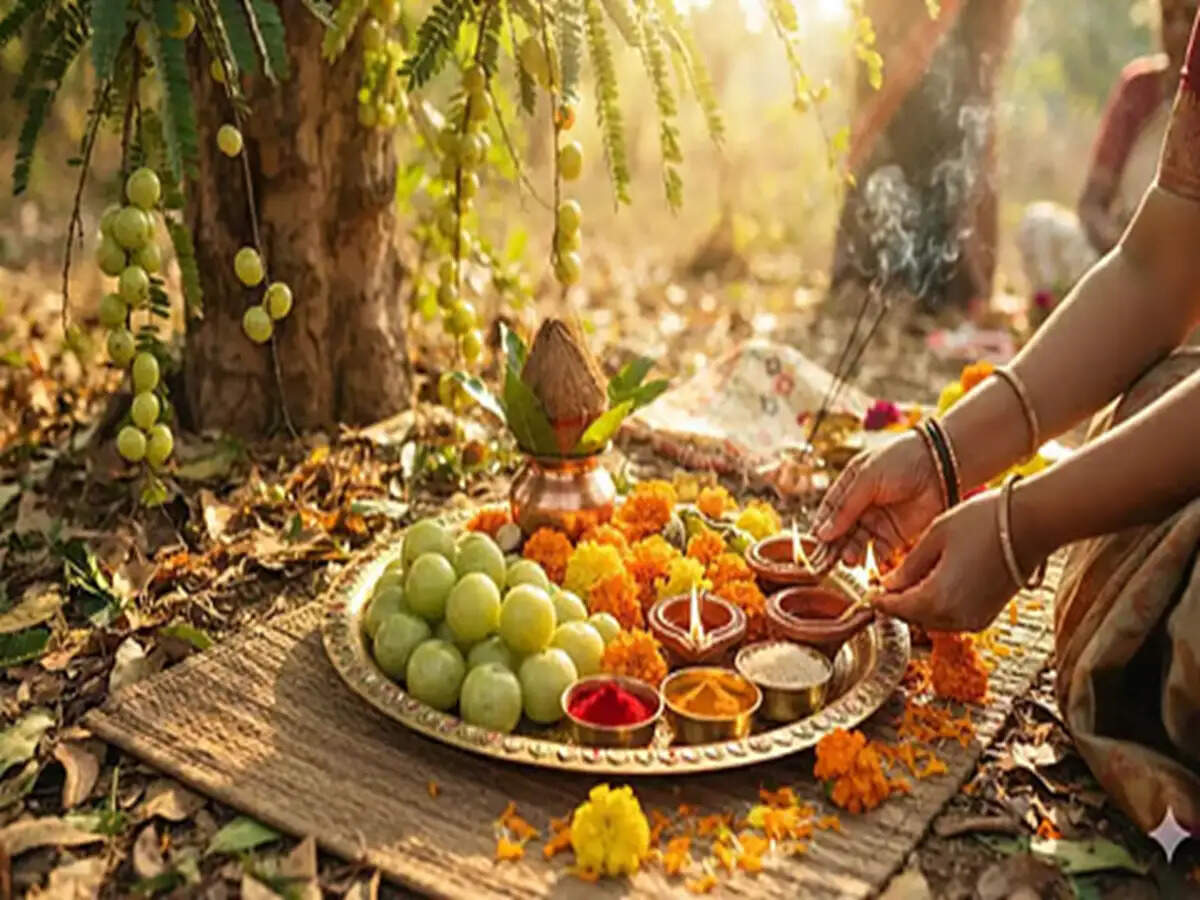
According to tradition, Goddess Lakshmi once prepared a meal beneath an Amla tree, which she served to Lord Vishnu and Lord Shiva. This event is the foundation of the current practice.
The Worship of Amla Tree
Why is the Amla tree significant?
Amla Navami, also referred to as 'Akshaya Navami,' is celebrated on the ninth day (Navami) of the waxing moon phase (Shukla Paksha) in Kartika. The act of worshipping the Amla tree on this day holds great importance. A well-known legend narrates that during her visit to Earth, Goddess Lakshmi wished to honor both Lord Vishnu and Lord Shiva at the same time.
She contemplated how to pay homage to both deities. Legend has it that Lord Vishnu cherishes the Tulsi plant, while Lord Shiva favors the Belpatra (leaves of the bael tree). Goddess Lakshmi recognized the qualities of both the Tulsi and Bel trees within the Amla tree. Thus, she chose to worship the Amla tree, seeing it as a representation of both gods.
The Divine Meal
Goddess Lakshmi's Meal Under the Amla Tree
As the tale unfolds, Lord Vishnu and Lord Shiva, pleased with her devotion, appeared before Goddess Lakshmi. She then prepared a meal under the Amla tree and served it to both deities. Following this, she sat down to enjoy the *prasada* (sanctified food) herself.
This event is said to have occurred on Kartika Shukla Navami. Since then, the custom of worshipping the Amla tree and sharing a meal in its shade has been upheld on this day. However, it is essential to note that this narrative is part of folk tradition and should not be regarded as a verified scriptural account.
The Importance of Dining Under the Amla Tree
Why is dining under the Amla tree significant on Akshaya Navami?
According to religious beliefs, honoring an Amla tree, offering food, and making donations on Akshaya Navami brings 'Akshaya' (inexhaustible) merit. 'Akshaya' signifies a reward that never diminishes. Therefore, auspicious actions performed on this day are believed to yield lasting positive outcomes.
The Amla tree is also linked to Lord Vishnu. It is believed that having a meal under this tree invites blessings from Lord Vishnu and Goddess Lakshmi, ensuring happiness, prosperity, and well-being for the family.
Rituals of Amla Tree Worship
How is the Amla tree honored on Akshaya Navami?
On this day, after bathing in the morning, individuals should wear clean clothes. They approach the Amla tree and offer water at its roots. Applying *roli* (vermilion), *akshat* (unbroken rice grains), and flowers to the tree is customary. Lighting a *diya* (lamp) and meditating on Lord Vishnu and Goddess Lakshmi follows.
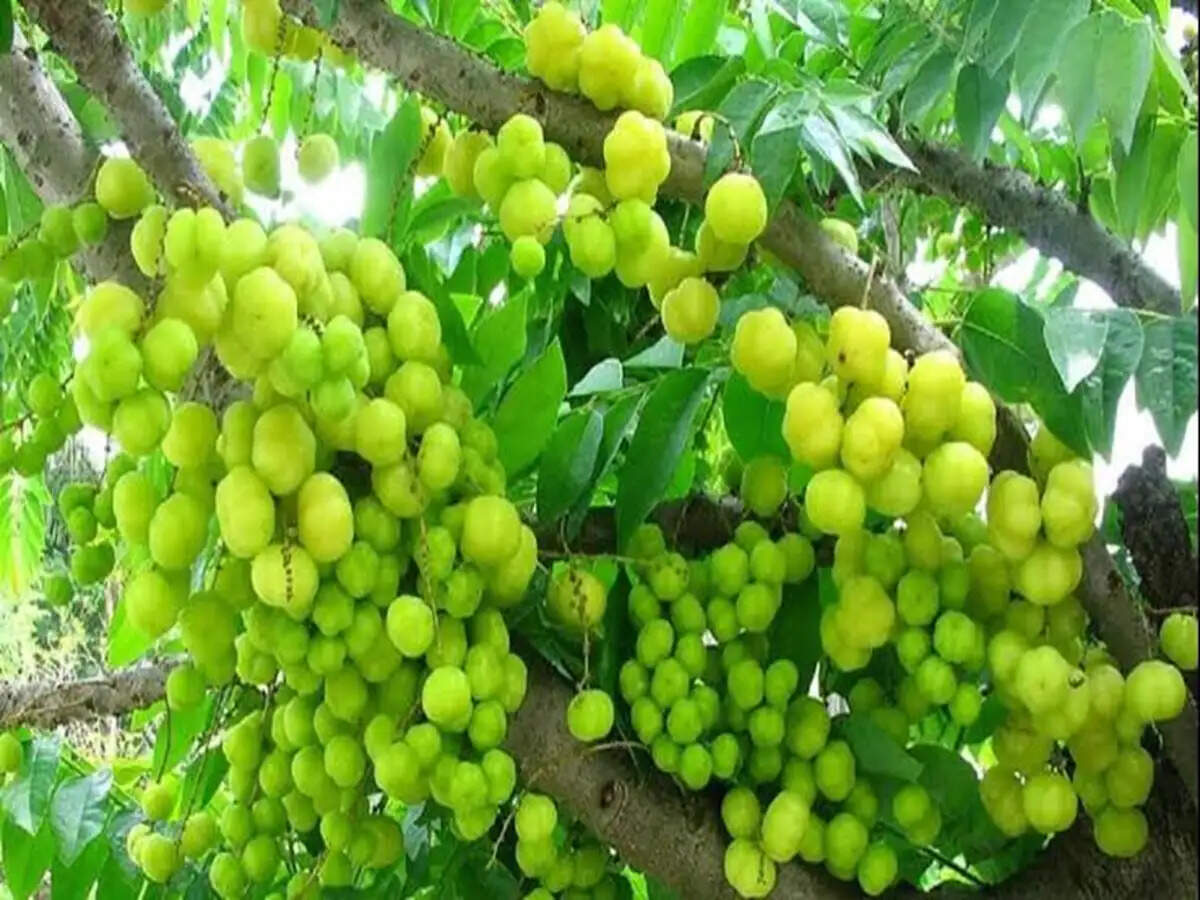
In many regions, women circle the tree while wrapping raw cotton thread around its trunk. After this, the story (*katha*) of Akshaya Navami is recited, and an *aarti* is performed. Once the worship concludes, families traditionally share a meal in the shade of the tree. Many first offer food (*bhog*) to the Divine, then feed those in need, and finally partake of the *prasad* themselves.