
Celebrate Navratri: Embrace the 9 Colors of the Festival
Navratri: A Sacred Festival of Colors
Navratri: This nine-day festival holds immense significance in Hinduism, dedicated to the veneration of Goddess Durga. Each day, different forms of the *Navadurga* are honored, and each day is linked to a specific color. Wearing these colors and adorning the Goddess with them is believed to bring good fortune.
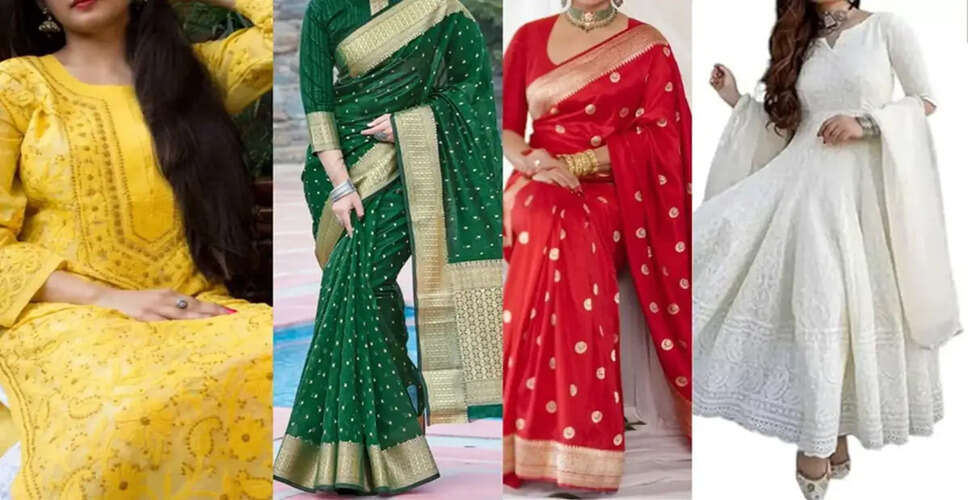
In contemporary times, the nine colors associated with Navratri have become a fashionable trend. Devotees often dress in the color of the day while participating in prayers and showcase their outfits on social media. It is believed that wearing these auspicious colors during Navratri pleases Goddess Durga and invites joy, prosperity, and positive energy into homes. Let’s explore the auspicious color for the first day, dedicated to *Maa Shailputri*, along with the colors for the remaining days of Navratri.
Day-by-Day Color Guide for Navratri
Day 1 – Yellow
Goddess: Maa Shailputri
Yellow is the auspicious color for the first day, symbolizing joy, energy, and positivity. Women often wear yellow sarees or suits, while men may choose a yellow *kurta*.
Day 2 – Green
Goddess: Maa Brahmacharini
On the second day, green is the color of choice, representing peace, growth, and prosperity. A green *Anarkali* suit or a green *kurta-pajama* is a popular choice.
Day 3 – Grey
Goddess: Maa Chandraghanta
Grey symbolizes balance and stability. For the worship of *Maa Chandraghanta*, grey attire is recommended. Pairing a grey saree with silver jewelry or wearing a grey *kurta* with a jacket can create a stylish look.
Day 4 – Orange
Goddess: Maa Kushmanda
On the fourth day, orange is the auspicious color, symbolizing energy and enthusiasm. An orange *lehenga* or *kurta* can make a vibrant statement during prayers.
Day 5 – White
Goddess: Maa Skandamata
White is worn for the worship of Maa Skandamata, representing peace, purity, and simplicity. A white saree or a *Chikan-kari* suit is a stunning choice for this day.
Day 6 – Red
Goddess: Maa Katyayani
On the sixth day, red is the color of power and courage. A red saree, *lehenga*, or *kurta* are popular fashion choices for this day.
Day 7 – Blue
Goddess: Maa Kalaratri
Blue signifies self-confidence and strength. Wearing a royal blue saree or a *kurta-pajama* ensemble adds charm to the day.
Day 8 – Pink
Goddess: Maa Mahagauri
On the eighth day, pink is chosen for its symbolism of love and compassion. A pink suit or saree creates a beautiful appearance for the Navratri *puja*.
Day 9 – Purple
Goddess: Maa Siddhidatri
Purple is the color for the ninth day, symbolizing spirituality and grandeur. A purple *lehenga* or saree offers a regal look for this day.
PC Social Media