
Auspicious Plants to Cultivate Before Dhanteras for Prosperity

Preparing for Dhanteras and Diwali
As the festive season of Diwali draws near, households begin their cleaning and preparation rituals. The celebration of Dhanteras precedes Diwali, holding significant religious importance. On this day, devotees honor Goddess Lakshmi and Lord Dhanvantari, believing that sincere rituals can usher in happiness and prosperity. A common tradition during Dhanteras involves purchasing various items, particularly gold and silver. However, an interesting aspect of this celebration is the practice of planting specific types of vegetation at home, which is deeply rooted in religious customs. Let's explore which plants are deemed auspicious according to an astrologer from Deoghar.
Insights from the Astrologer
What does the astrologer from Deoghar say?
Pandit Nand Kishore Mudgal, an astrologer based in Deoghar, shares that nature offers numerous plants linked to various deities, making their cultivation at home a positive practice. He emphasizes that planting these before Dhanteras is believed to enhance the flow of positive energy, inviting joy and prosperity into the household. Thus, during this festive period, individuals not only focus on home decoration but also on incorporating greenery.
Five Auspicious Plants to Consider for Dhanteras
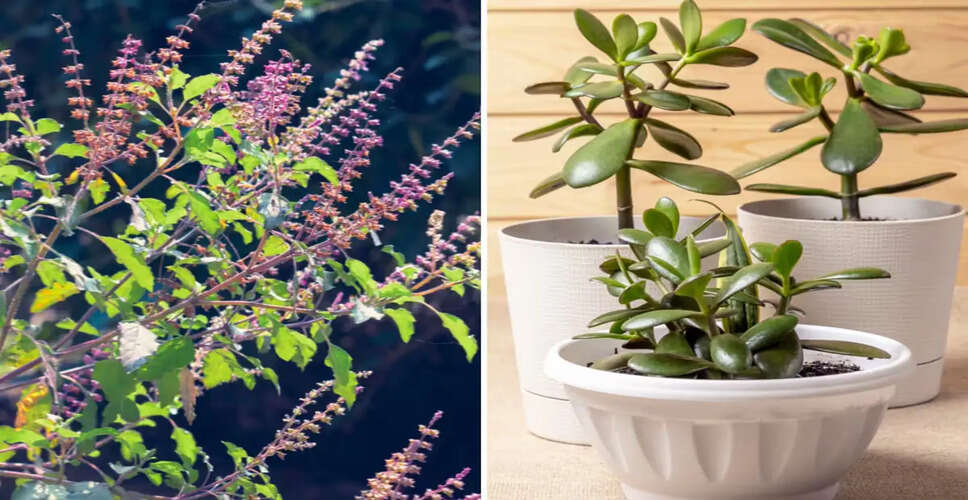
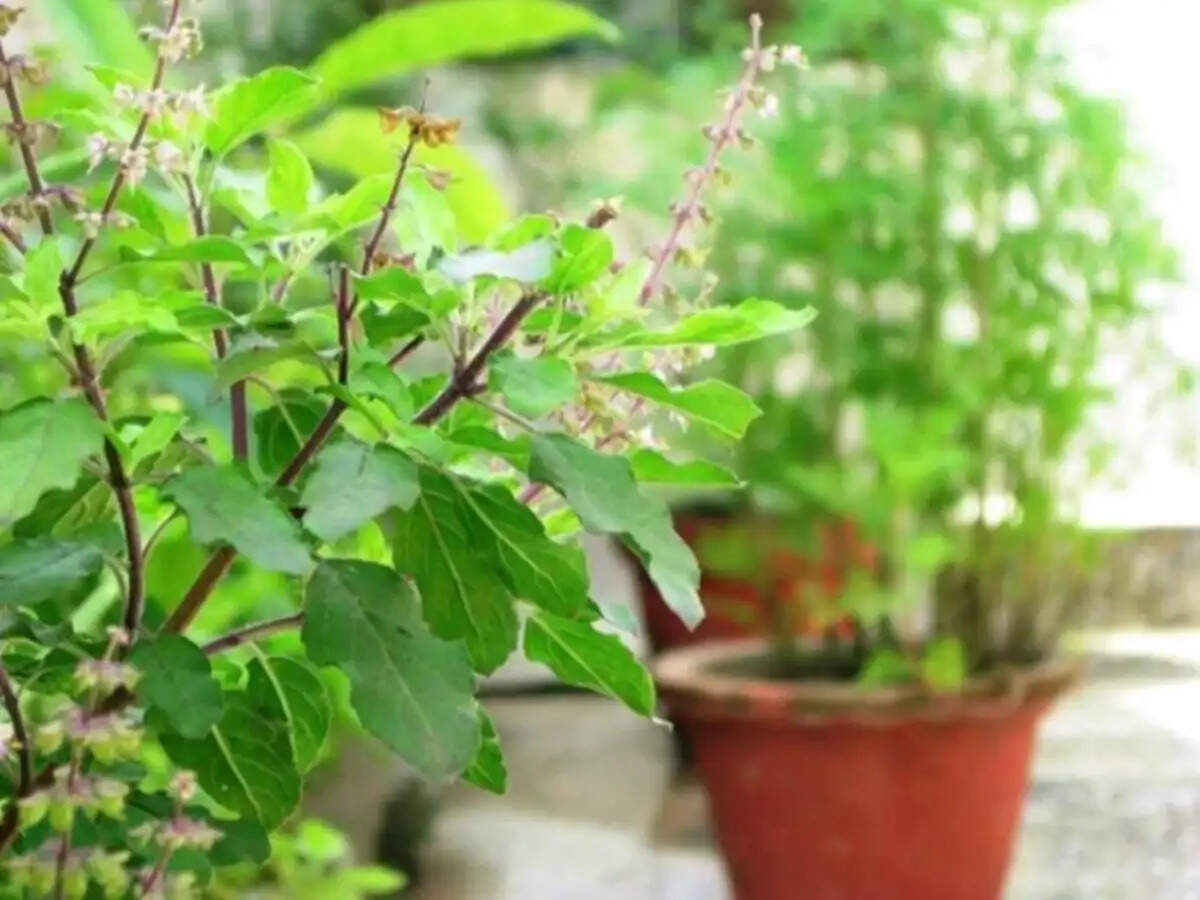
Tulsi (Holy Basil): Revered in Hinduism, the Tulsi plant is considered sacred and is regularly worshipped in many homes. Its significance is heightened due to its association with Lord Vishnu and Goddess Lakshmi, especially during festivals like Dhanteras and Diwali.
Aparajita (Butterfly Pea): Known for its striking blue and white flowers, the Aparajita plant is often used in worship and ritual offerings. Many choose to plant it in their gardens or pots, especially during festive times.
Shami Plant: The Shami plant holds auspicious connotations in Hinduism, being linked to the worship of Lord Shiva and Shani Dev. It is common for people to bring this plant home, particularly before Dhanteras.
Hibiscus Plant: Renowned for its beautiful flowers, the hibiscus is frequently used in religious ceremonies. The red hibiscus, in particular, is significant in goddess worship, prompting many to plant it in their courtyards or pots.
Money Plant: Commonly found in homes and offices for decorative purposes, the money plant is associated with financial prosperity according to Vastu beliefs. While it may not guarantee wealth, it certainly adds to the greenery and aesthetic charm of the space.
Conclusion
PC Social Media