
Ancient Persian Windcatchers: A Timeless Solution for Modern Cooling Needs
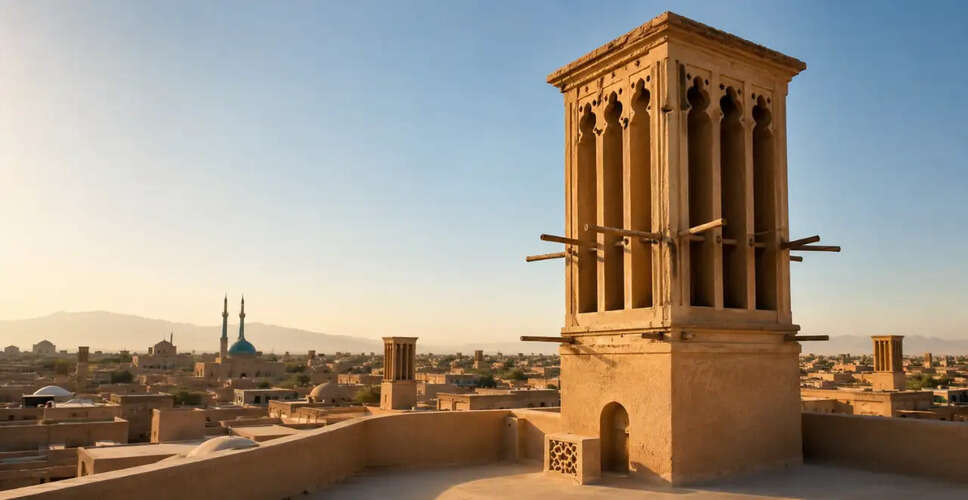

The Ingenious Windcatcher Design
Long before the advent of air conditioning and even electricity, ancient Persian innovators devised a remarkable method to combat the sweltering summer heat using only wind, clay, and a profound grasp of physics. The windcatcher, or badgir in Farsi, stands as one of the most sophisticated climate-control systems ever created. These towering structures, which can be seen across rooftops in Iran, Pakistan, Afghanistan, and the UAE, have been channeling cool air into buildings for nearly three thousand years. As global temperatures rise and energy costs soar, architects and engineers are revisiting this ancient technology.
Mechanics of the Windcatcher
How It Actually Works
The windcatcher's design is surprisingly straightforward. A tall tower, often reaching heights of 15 to 20 feet, features one or more open shafts that capture the wind and direct it down into the living spaces below. As the warm air inside rises and escapes through vents, fresh, cool air is continuously drawn in from above. This system operates without motors, refrigerants, or any electricity costs.
Moreover, many traditional windcatchers were ingeniously combined with underground water channels known as qanats or positioned over interior pools. As the wind flowed through these channels, it would pass over the water, cooling down through evaporation, effectively creating a natural air conditioning system. In some instances, this method could lower indoor temperatures by as much as 15 degrees Celsius compared to the scorching heat outside.
Adaptation to Extreme Climates
Built For The Harshest Climate On Earth
The regions where windcatchers flourished were anything but temperate. Cities like Yazd in central Iran frequently experience summer temperatures soaring to 40°C (104°F), accompanied by relentless dry heat and minimal rainfall. For these communities, windcatchers were not merely a luxury; they were essential for survival. Yazd, often referred to as the 'City of Windcatchers,' boasts a skyline adorned with hundreds of these structures, many still operational as they were designed thousands of years ago.
Persian builders also tailored their designs to local wind patterns. Some towers were oriented in a single direction, while others featured multiple openings to capture winds from various angles. Factors such as wall thickness, tower height, and the building's internal layout were meticulously calculated to optimize airflow throughout every room.
Renewed Interest in Passive Cooling
Why the Modern World Is Paying Attention
With projections indicating that global air conditioning usage could triple by 2050, along with the accompanying energy demands, passive cooling solutions are gaining significant attention. Researchers from the University of Sheffield and various institutions in the Middle East are actively exploring the principles of windcatchers to incorporate them into modern architecture.
Contemporary adaptations leverage the same fundamental physics but enhance them with computer-modeled airflow, sustainable materials, and hybrid systems that function effectively even on calm days. Some new constructions in the UK and Australia have already integrated windcatcher-inspired towers into their designs. The irony is profound; as the planet warms and the need for cooling escalates, the most effective solution may well be one perfected by ancient Persians long before the Roman Empire reached its zenith. Sometimes, the oldest solutions are the most innovative.