
8 Foods to Bring Good Fortune in the New Year
Introduction to Lucky Foods
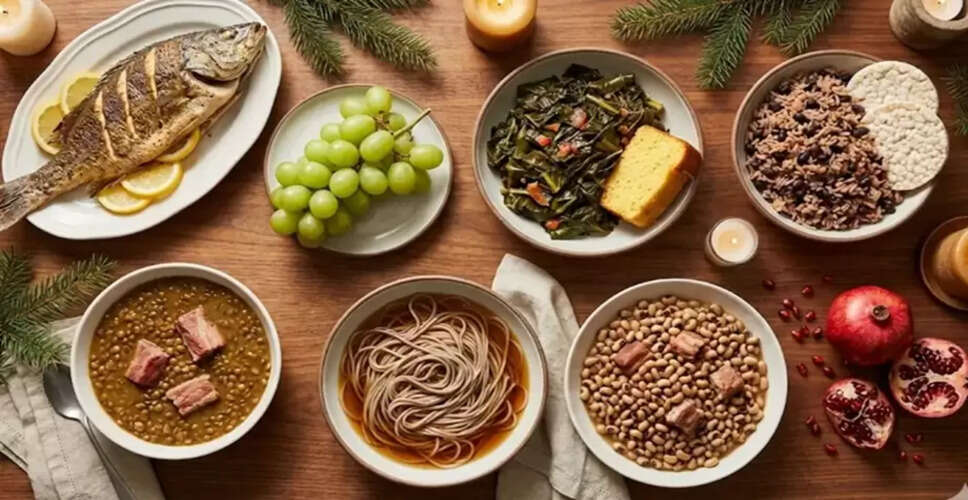
Many foods, ranging from lentils to fish, are believed to symbolize wealth and health. If you're looking to add a touch of 'good luck' to your New Year's feast, consider these eight popular dishes from around the globe that are thought to bring prosperity.
Fish
Fish
Globally recognized as a symbol of abundance, fish is a staple in New Year's celebrations. In Spain, people enjoy cod or sardines on January 1st to invite prosperity for the year ahead. Meanwhile, in Germany, carp is traditionally consumed on New Year's Eve. A unique custom involves keeping a fish scale in one's wallet throughout the year to attract financial success. In South America, fish is also seen as a positive omen, as they swim forward, symbolizing progress.
Grapes
Grapes
Spain boasts a distinctive New Year's custom where individuals eat one grape for each bell toll at midnight, totaling twelve grapes. Each grape signifies a month of the upcoming year, and this practice is believed to ensure good luck for all twelve months. This tradition has also spread to various Spanish-speaking nations, including the United States.
Cabbage and Greens
Cabbage and Greens
Green vegetables are often likened to banknotes, linking them to financial prosperity. In the Southern United States, collard greens are a must-have on New Year's Day, typically served alongside cornbread and black-eyed peas. Similarly, Germans consume sauerkraut for the same reason: to attract wealth and good fortune.
Rice
Rice
Rice symbolizes abundance and good fortune as well. In Latin America, a dish called "Arroz con Frijoles" (rice and beans) is a festive favorite. In Korea, rice cakes are enjoyed during the Lunar New Year to promote health and luck.
Lentils
Lentils
In Italy and Brazil, lentils are seen as a sign of prosperity due to their coin-like shape. It's customary to eat lentils at midnight on New Year's Eve, often paired with pork. In Brazil, consuming lentils on January 1st is also believed to usher in wealth, with many opting for new clothing to signify a fresh start.
Noodles
Noodles
In Japan and China, long noodles are associated with longevity and prosperity. Japanese tradition includes eating "Toshikoshi Soba" (buckwheat noodles) on New Year's Eve, symbolizing the transition to a new year and promoting a long, healthy life. In China, noodles are served in hot soup, and care is taken not to break them while eating, as this is believed to ensure good fortune.
Black-Eyed Peas
Black-Eyed Peas
In the Southern United States, consuming black-eyed peas on New Year's Day is a cherished tradition, often cooked with pork. This custom has roots in African culture, where these peas symbolize abundance and good fortune, representing coins that bring wealth in the new year.
Pomegranates
Pomegranates
Pomegranates are viewed as symbols of fertility and prosperity in various cultures. In Greece and Turkey, a tradition involves smashing a pomegranate on the ground at the start of the new year, with the scattering seeds believed to bring luck. The fruit's vibrant red color is also associated with wealth and good health.
Conclusion
Incorporating these foods into your New Year's meal can be a delightful way to invite good fortune and prosperity into your life for the coming year.