
Yogasana Championships Highlight Growth in Middle East Participation

India Dominates at World Yogasana Championships
The inaugural World Yogasana Championships wrapped up at the EKA Arena in Ahmedabad, showcasing India's impressive tally of gold medals, which reached a century. This event not only highlighted India's prowess in this ancient discipline but also marked a significant trend: the increasing popularity of Yogasana in the Middle East.
Middle East's Emerging Yogasana Scene
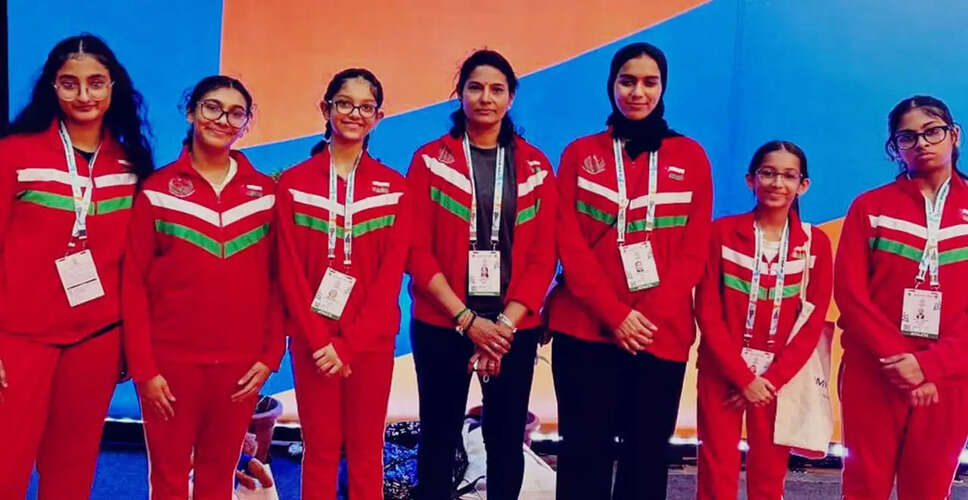
Historically, yoga in the Middle East has been more associated with wellness and fitness rather than competitive sports. However, the participation of nations like Oman, Jordan, Iran, and the UAE at this championship indicates a budding competitive spirit in Yogasana. Oman stood out with 21 medals, including 8 silver and 13 bronze, making it the top Gulf nation in the event. Jordan secured two bronze medals, while athletes from Iran and the UAE gained valuable experience on an international platform.
The significance of the Ahmedabad event transcends mere medal counts. It brought together 522 athletes from 78 countries, providing a global stage for many emerging Yogasana nations that had previously lacked such exposure. For countries developing their athlete pathways and coaching frameworks, this event serves as both a benchmark and a catalyst for growth.
Oman's Remarkable Performance
Oman's achievements reflect the rapid growth of the sport in the Gulf region. Fifteen-year-old Jay Rajesh Soneji, an Indian-origin student from Muscat, won two bronze medals and expressed hope that the visibility from the championships would spark greater interest in Yogasana back home.
"Winning two bronze medals is a significant accomplishment for me," Soneji stated. He believes that this event will raise awareness about yoga and inspire more individuals in Oman to engage with the sport.
Salha Hakeem, President of Yoga Oman, echoed this sentiment, celebrating the 19 medals as a testament to years of development. "This historic milestone for Oman reflects the dedication and hard work of our athletes and coaches," she remarked.
The results also underscore a broader trend in the Gulf, where yoga has gained traction over the past decade, fueled by health awareness, expatriate communities, and government initiatives promoting active lifestyles.
Jordan's Growth in Yogasana
Jordan's experience mirrors that of Oman, with bronze medallist Maya Alostath noting that yoga is gradually shedding its niche status in the country. "Yoga in Jordan is expanding every year. More individuals are realizing that Yogasana encompasses not just physical postures but also self-discovery and inner strength," she explained.
Maya's observations reflect a broader cultural shift in several Middle Eastern nations, where younger generations are increasingly drawn to activities that blend physical fitness with mental well-being. She emphasized that the championship was about more than just medals; it was a celebration of global unity through yoga.
A Bright Future for Yogasana
The true impact of the championships lies in the knowledge and experience participants bring back to their home countries. While Oman and Jordan returned with medals, others gained insights into international judging standards and coaching techniques, which are essential for establishing sustainable national programs.
The event also provided crucial visibility for emerging Yogasana nations, helping them attract new athletes, sponsors, and institutional support. Many delegates believe that the publicity generated will encourage more youth to view Yogasana as a competitive sport with international prospects.
As Yogasana seeks broader global recognition, regions like the Middle East are poised to play a vital role in its expansion. The combination of youthful demographics, a growing interest in wellness, and increased investment in sports creates a favorable environment for future growth.
While the medals won in Ahmedabad are noteworthy, the lasting legacy of the inaugural Yogasana World Championships may be the confidence instilled in emerging nations across the Middle East, affirming their potential to compete and develop talent in the global Yogasana landscape.