
Why Global Brands Are Shifting Orders from Bangladesh to India Amid Labor Unrest

Shift in Apparel Orders Due to Labor Issues
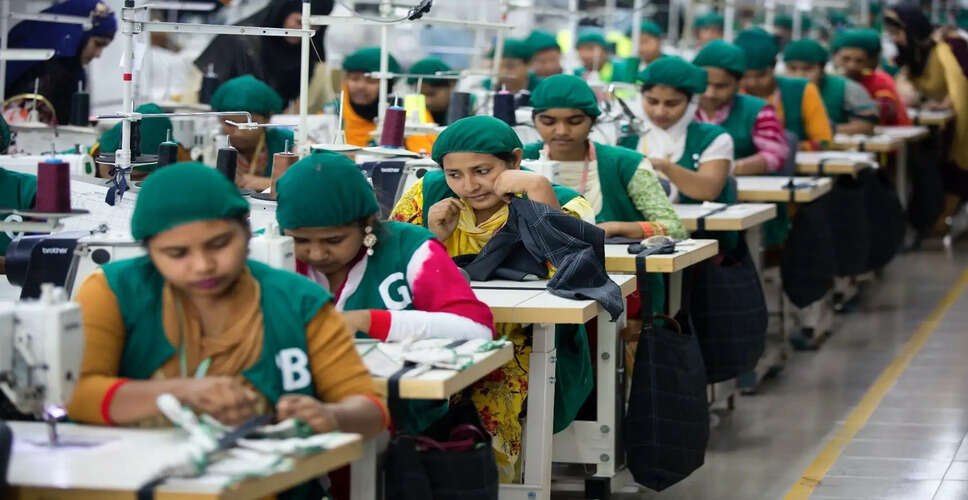
Dhaka: Major global fashion brands, such as Zara and H&M, have redirected nearly 10% of their monthly orders from Bangladesh to other Asian manufacturing locations during the first half of November. This shift is attributed to labor unrest that has disrupted production and increased costs, diminishing Bangladesh's competitive advantage, according to three factory owners.
From November 1 to 18, approximately $254 million worth of orders were moved away from Bangladesh, primarily to neighboring India. This transition poses a significant threat to Bangladesh's economy, which heavily relies on its garment sector, and may have lasting effects beyond the current unrest. Industry experts have noted that rising wages, energy shortages, and political instability have weakened the cost-effectiveness that once positioned Bangladesh as the world's second-largest apparel exporter after China, prompting brands to seek alternative sourcing options.
The ongoing protests have resulted in over $400 million in production losses, as reported by the Bangladesh Garment Manufacturers and Exporters Association (BGMEA). The garment industry is crucial, accounting for more than 80% of the country's export earnings and nearly 40% of its manufacturing jobs. India has emerged as the primary beneficiary of this order shift, while buyers are also exploring options in Vietnam, Cambodia, and Indonesia to mitigate supply chain risks and enhance delivery reliability.
The situation escalated on Wednesday when Bangladesh announced a 36% increase in the minimum wage for garment workers, marking the smallest rise in four decades. This adjustment fell short of workers' demands for more than double their current wages, leading to renewed clashes with police. Despite the government's assertion that the wage increase was 'satisfactory,' industry leaders believe it will further diminish Bangladesh's labor-cost advantage over India. However, union representatives argue that wages remain low compared to global apparel industry standards.
Factory owners, who requested anonymity due to concerns about their relationships with international clients, indicated that the unrest has led brands like Zara, H&M, Marks & Spencer, and Celio to shift their orders, with India receiving the majority of the business. Following the news, Indian textile shares saw a surge, with Gokaldas Exports rising by as much as 11% and Trident increasing by about 5%. Other potential beneficiaries, including Welspun Living, KPR Mill, and Vardhman Textiles, also experienced gains of around 2% each.