
Who is General Ahmad Vahidi? The Key Figure in Iran's Leadership Transition
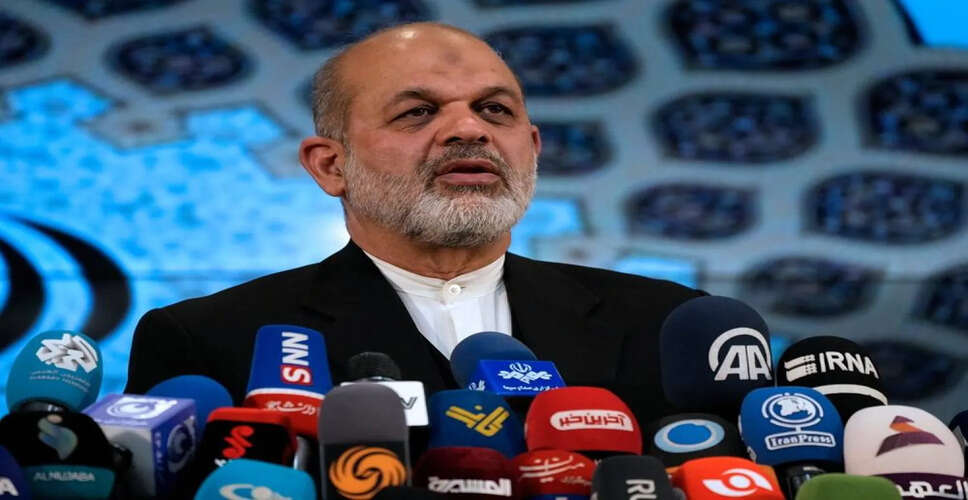

General Ahmad Vahidi Emerges Amidst National Mourning
Dubai: A prominent general from Iran's Revolutionary Guard has stepped into the public eye as the nation prepares for an extensive funeral for the deceased Supreme Leader, Ayatollah Ali Khamenei.
Images released by Iranian state media depicted General Ahmad Vahidi participating in a meeting regarding Khamenei's funeral arrangements, followed by his presence beside the late leader's casket during a smaller service held Thursday evening at Khamenei's former residence in Tehran.
Experts suggest that Vahidi has become instrumental in shaping Iran's assertive approach in discussions aimed at achieving a lasting resolution to the ongoing conflict with the United States. He is thought to be part of a close-knit group that maintains direct communication with Iran's newly appointed Supreme Leader, Ayatollah Mojtaba Khamenei, who has reportedly been in hiding after sustaining injuries during Israeli airstrikes on February 28 that resulted in his father's death.
Since February 8, Vahidi has not made any public appearances, coinciding with the onset of the Iran war.
Footage shared by state media showcased the mourning ceremony for Khamenei, held near the husseiniyah within his compound in Tehran. The initial moments of the war saw an Israeli airstrike that claimed Khamenei's life along with several family members. Reports indicated that Khamenei's body was displayed in a coffin on a stage, adorned with red tulips, while paper butterflies hung from the ceiling above.
Mourners, dressed in black and identified by state media as relatives of those who perished in the recent 12-day conflict and the ongoing war, participated in the traditional act of throwing scarves and other items for attendees to touch against the coffin.
Subsequently, state media broadcast images of Khamenei's casket, covered with a red flag inscribed with the phrase "Ya Hussein," a Shiite homage to the martyrdom of the Prophet Muhammad's grandson in the 7th century. This flag, previously flown over the Imam Hussein shrine in Karbala, Iraq, symbolizes both the unjustly spilled blood and a call for retribution.
Starting Saturday, Iran will commence a multi-day funeral for Khamenei, with plans to transport his body to various cities across Iran and into neighboring Iraq. The ceremonies will kick off at the Grand Mosalla in Tehran, where authorities intend to halt street activities and daily routines as mourners pay tribute to Khamenei, who ruled Iran with an iron grip for decades while standing firm against Western influences.