
What’s Next for US-Iran Relations? Insights into Iran's New Proposal
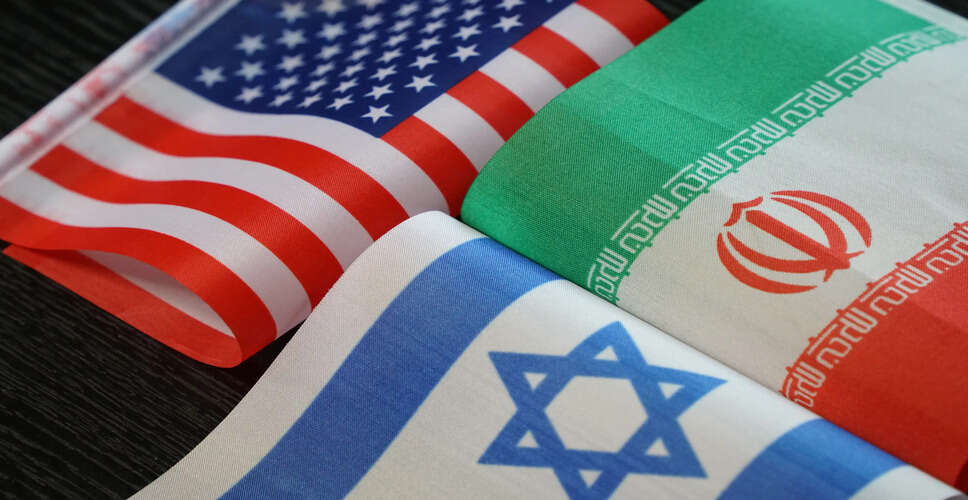

Iran's Strategic Proposal to the US
Lahore: In a bid to revive stalled peace negotiations, Iran has presented a comprehensive proposal to Washington, as reported by a senior official on Sunday.
President Donald Trump has expressed dissatisfaction with Iran's recent offer aimed at resolving the ongoing conflict in West Asia. He emphasized that any agreement must include stringent assurances to prevent Iran from advancing its nuclear weapons program.
Since the conflict escalated with joint military actions by the US and Israel on February 28, hostilities have been paused since April 8, following a round of peace discussions held in Islamabad.
Pakistan is acting as a mediator in the ongoing dialogue between the US and Iran.
According to a Pakistani official, Iran's new proposal outlines a phased approach to de-escalation, distinguishing immediate conflict resolution from the more intricate issues surrounding Tehran's nuclear ambitions.
The proposal consists of three main elements.
The first element emphasizes urgent de-escalation measures, with Iran indicating a readiness to reduce tensions in the strategically vital Strait of Hormuz, contingent upon the US scaling back its military presence and alleviating economic sanctions, particularly those impacting Iranian oil exports.
The Strait of Hormuz is critical, as it is a transit route for approximately 20% of the world's oil and gas, and disruptions in shipping due to the conflict have led to soaring oil prices and energy shortages in various nations.
Tehran believes that establishing confidence is crucial before engaging in substantive negotiations.
The second aspect of the proposal seeks to separate the restoration of maritime trade and oil exports from nuclear discussions, asserting that economic normalization should precede any binding commitments regarding its nuclear activities.
The third component introduces conditional flexibility concerning nuclear issues.
While Iran reaffirms its right to pursue peaceful nuclear energy, it has shown a willingness to discuss limitations on uranium enrichment and enhanced monitoring, but only within a broader agreement that ensures significant sanctions relief.
Additionally, sources indicate that Iran is seeking formal acknowledgment of its right to develop nuclear technology for civilian purposes under international regulations, along with guarantees that any agreement would be stable and not subject to unilateral withdrawal.
The proposal also includes requests for security assurances, reflecting Tehran's heightened concerns about potential future military actions, with Iran seeking commitments to prevent renewed strikes or escalations by the US or its allies.
Officials describe Pakistan's role as facilitative rather than substantive, with Islamabad conveying messages and considering the possibility of hosting indirect discussions.
Although no formal talks are currently scheduled, it is believed that both parties have not dismissed the idea of engaging in discussions in Islamabad if preliminary agreements are reached.
In response to Iran's latest proposal, President Trump stated, "At this moment, I’m not satisfied with what they’re offering."
When questioned about his dissatisfaction, he remarked, "They’re asking for things that I can’t agree with."
Trump also pondered the consequences of failing to reach a deal, stating, "Do we want to go and just blast the hell out of them and finish them forever, or do we want to try and make a deal?"
He expressed a preference against launching a large-scale offensive, acknowledging that while Iran has made progress in negotiations, there remains significant discord within its leadership.
Iranian officials, however, maintain that their latest proposal prioritizes halting hostilities and creating an environment conducive to a broader political dialogue before tackling more contentious issues.
In response to Trump's comments, Iran stated that the decision to pursue a negotiated settlement or revert to conflict lies with the US. Deputy Foreign Minister Kazem Gharibabadi remarked that the choice between diplomacy and confrontation is now in the hands of the United States.
Iran is prepared for both scenarios in order to safeguard its national interests and security.
Pakistan previously hosted the first round of direct talks between Iran and the US on April 11, but the discussions did not yield an agreement to conclude the conflict.
Recently, Trump extended the ceasefire with Iran indefinitely, allowing Tehran additional time to formulate a unified proposal to end the war.