
What’s Brewing in Nepal's Political Landscape Ahead of the 2024 Elections?
Key Political Meeting in Kathmandu
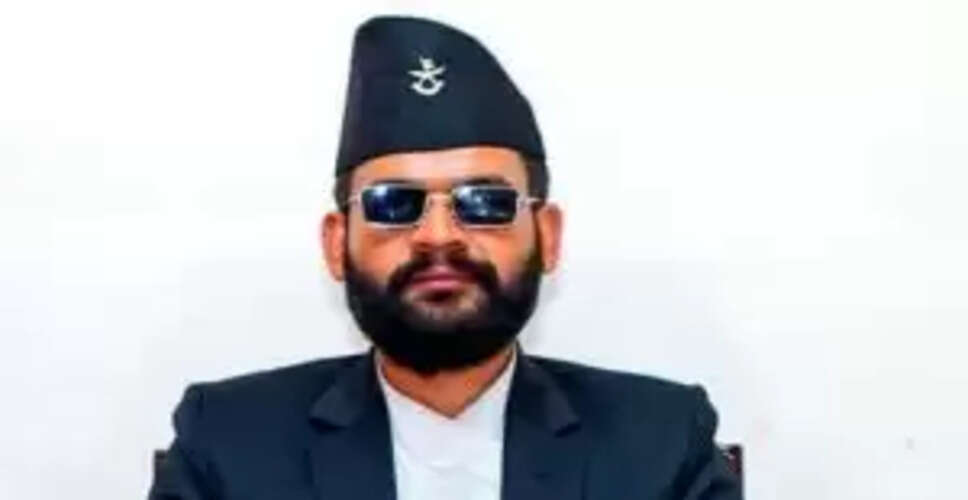
Kathmandu: The chief of Nepal's Rashtriya Swatantra Party, Ravi Lamichhane, recently held a significant meeting with Balendra Shah, the mayor of Kathmandu Metropolitan City, to explore potential collaboration for the upcoming general elections scheduled for next year.
This six-hour discussion took place shortly after Lamichhane was released on bail concerning a cooperative fund misappropriation case.
According to RSP vice-chair D P Aryal, the meeting was amicable, focusing on uniting various new political forces to resonate with the aspirations of the Gen Z youth.
A source close to Shah revealed that both leaders have agreed to consolidate all alternative political entities under one umbrella. Former RSP lawmaker Asim Shah mentioned that a preliminary agreement was reached.
The RSP also plans to engage with other emerging political groups, including the newly established Ujyalo Nepal Party, led by Energy Minister Kulman Ghising, Aryal noted.
Additionally, Harka Sampang, the mayor of Bharatpur Metropolitan City and head of the newly formed Shrama Shakti Party, will be invited for discussions regarding a potential electoral alliance.
Political analysts suggest that the support of Mayor Shah could significantly sway the outcomes of parliamentary seats, especially as Gen Z voters are increasingly leaning towards the RSP and Ujyalo Nepal Party.
In the meantime, traditional parties such as the Nepali Congress and the Communist Party of Nepal (Unified Marxist–Leninist) have approached the Supreme Court to seek the reinstatement of the House of Representatives while gearing up for the elections. Maoist leader Pushpakamal Dahal, known as 'Prachanda', has also commenced a nationwide campaign.
Former prime ministers Sher Bahadur Deuba and KP Sharma Oli, leading the traditional political parties, have filed writs in the Supreme Court, arguing that the dissolution of the House on September 12, following the Gen Z movement, was unconstitutional. They are simultaneously preparing for the elections set for March 5 next year.