
What Happened to the Missing Epstein Files? A Deep Dive into the Justice Department's Controversial Document Release
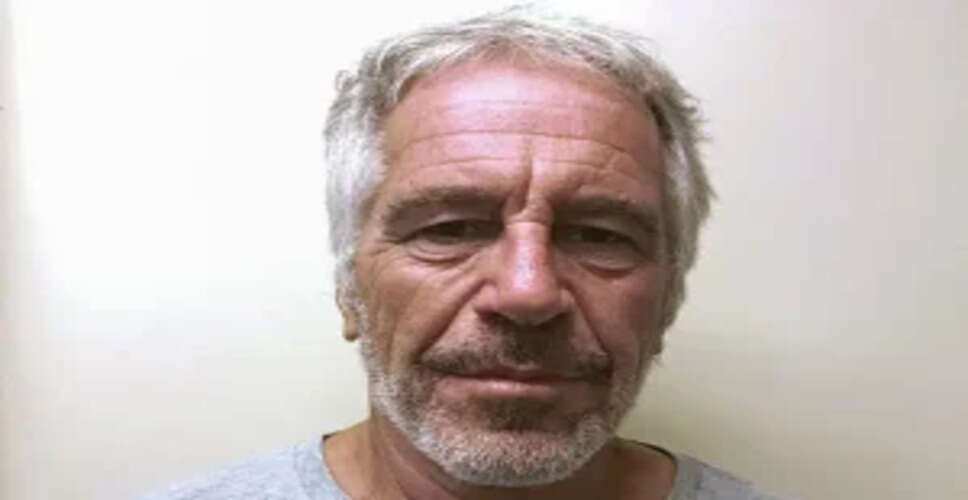
Mystery Surrounds Disappearance of Epstein-Related Files
In New York, a troubling incident has emerged involving the Justice Department, which saw at least 16 files vanish from its public webpage concerning Jeffrey Epstein. This occurred less than 24 hours after their initial posting, and the government has yet to provide any explanation or notification to the public.
The files, which were accessible on Friday, included various images, such as paintings of nude women and a notable photograph featuring Donald Trump alongside Epstein, Melania Trump, and Ghislaine Maxwell. By Saturday, these files were no longer available.
The Justice Department has not clarified the reasons behind the removal of these files, nor has it indicated whether this action was deliberate. A spokesperson for the department did not respond promptly to inquiries.
The sudden disappearance of these files has sparked speculation online regarding the motives behind their removal and the lack of public notification, further intensifying the ongoing intrigue surrounding Epstein and the influential individuals connected to him. Members of the House Oversight Committee, particularly Democrats, highlighted the missing Trump photograph in a post on social media, questioning, 'What else is being concealed? Transparency is essential for the American public.'
Concerns Over Document Release
This incident has amplified existing concerns regarding the Justice Department's recent document release, which was highly anticipated. The tens of thousands of pages made public offered minimal new information about Epstein's criminal activities or the prosecutorial decisions that allowed him to evade serious federal charges for an extended period. Notably absent were some of the most scrutinized materials, including FBI interviews with victims and internal memos regarding charging decisions.
The initial disclosures from the Justice Department lacked several crucial records related to Epstein, including FBI interviews with survivors and internal memos that could shed light on how investigators approached the case. These omissions raise questions about the scrutiny applied to various powerful figures associated with Epstein, such as former Prince Andrew of Britain.
Among the few new insights were details about the Justice Department's decision to halt an investigation into Epstein in the 2000s, which permitted him to plead guilty to a relatively minor state-level prostitution charge. Additionally, a previously unseen complaint from 1996 accused Epstein of stealing photographs of children.
Limited Context in Released Records
The released documents primarily consisted of images of Epstein's residences in New York City and the US Virgin Islands, along with a few photos of celebrities and politicians. While there were several previously unseen images of former President Bill Clinton, there were very few of Trump. Both individuals have distanced themselves from Epstein, and neither has been implicated in any wrongdoing related to him.
Despite a congressional deadline for full disclosure, the Justice Department announced that it would release records gradually, citing the lengthy process of redacting survivors' names and other identifying details. This approach has frustrated Epstein's accusers and lawmakers who advocated for transparency, as the document release appears to mark the beginning of an indefinite wait for a comprehensive understanding of Epstein's crimes and the investigative measures taken.
Marina Lacerda, an Epstein accuser, expressed her disappointment, stating, 'I feel like again the DOJ, the justice system is failing us.'
Redacted Records and Missing Context
Federal prosecutors in New York charged Epstein with sex trafficking in 2019, but he died by suicide in jail following his arrest. The documents recently made public represent only a fraction of the potentially millions of pages held by the department. For instance, Deputy Attorney General Todd Blanche noted that Manhattan federal prosecutors possessed over 3.6 million records from sex trafficking investigations involving Epstein and Maxwell, although many of these were duplicates of materials already provided by the FBI.
Many of the records released had previously appeared in court filings, congressional releases, or freedom of information requests, but this was the first time they were compiled in one accessible location for public search. However, many new documents lacked essential context or were heavily redacted. For example, a 119-page document labeled 'Grand Jury-NY,' likely related to federal sex trafficking investigations, was entirely blacked out.
Trump's Republican allies highlighted the images of Clinton, which included photos of him with celebrities like Michael Jackson and Diana Ross, as well as images of Epstein with actors Chris Tucker and Kevin Spacey. However, none of these photos included captions or explanations for the associations.
Revelations from Grand Jury Testimonies
The most substantial records released thus far indicated that federal prosecutors had what seemed to be a strong case against Epstein in 2007 but ultimately chose not to charge him. Transcripts from grand jury proceedings, now publicly available for the first time, included testimonies from FBI agents detailing interviews with several girls and young women who reported being compensated for sexual acts with Epstein. The youngest victim was just 14 years old.
One victim recounted being sexually assaulted by Epstein after initially resisting his advances during a massage. Another, who was 21 at the time, testified about being hired by Epstein when she was 16 to perform sexual massages and how she subsequently recruited other girls for similar purposes, stating, 'For every girl that I brought to the table he would give me $200.'
The documents also feature a transcript of an interview conducted over a decade later with Alexander Acosta, the US attorney who oversaw the case, discussing his decision not to pursue federal charges. Acosta, who served as labor secretary during Trump's first term, expressed concerns about whether a jury would believe Epstein's accusers and noted that the Justice Department might have been hesitant to pursue a federal case that straddled the line between sex trafficking and soliciting prostitution, typically handled by state prosecutors.