
What Changes Are Coming to the Iran Agreement Under Trump’s Leadership?

Negotiations Between the US and Iran: A New Approach
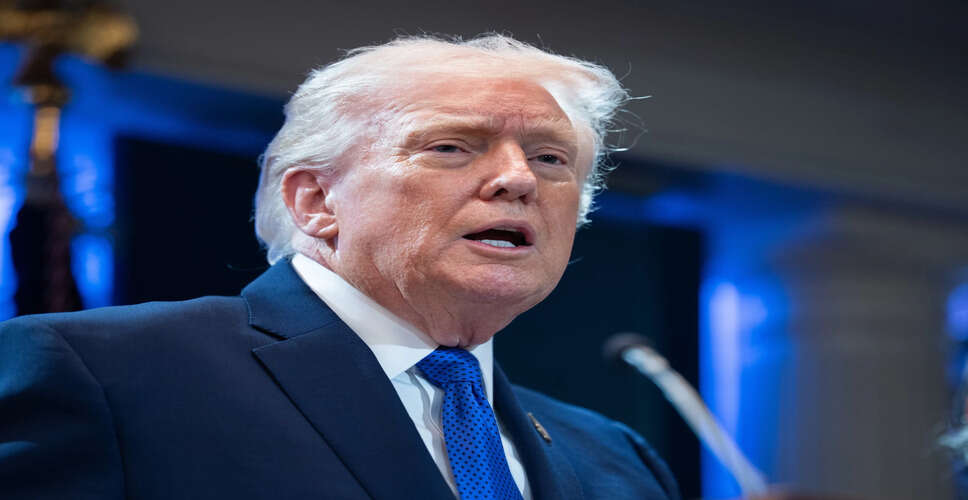
Washington: President Donald Trump is considering adjustments to the existing agreement with Iran to facilitate the end of ongoing conflicts, as reported by a US media outlet.
The White House is currently awaiting a fresh response from Iran amidst negotiations that, according to three sources cited by a prominent newspaper, may revert to earlier stages.
One official mentioned that Trump aims to expedite discussions by increasing pressure on Iran, but he faces challenges due to the intricate Iranian political structure, as noted by a news agency.
In Tehran, the ultimate decision-making authority lies with Supreme Leader Mojtaba Khamenei. Any alterations to the foundational memorandum of understanding are likely to extend the negotiation timeline.
Following Trump's renewed efforts, Iran is expected to propose additional changes to the draft agreement, as indicated by another news source.
Trump reportedly wishes to clarify the management of the 60% enriched uranium reserves held by Iran and the procedures for reopening the Strait of Hormuz for maritime activities.
The current draft stipulates Iran's commitment to refrain from developing nuclear weapons and outlines a 60-day negotiation period to address Tehran's nuclear responsibilities and the status of its fissile material.
A source revealed that Trump intends to provide more specific timelines and methods for how the US would handle such materials.
"The only assurance I require is that there will be no nuclear weapons. They have agreed to this," Trump stated in an interview. "Initially, they claimed they would not pursue nuclear weapons. I responded, 'What if you acquire one?' Now, the text states: 'We will not develop or acquire a nuclear military weapon in any form.' This is a significant distinction," he added, acknowledging the challenges posed by tough negotiations but expressing no urgency.
Despite the complexities, the White House remains optimistic about reaching an agreement. A senior official mentioned, "An agreement will be reached," suggesting that finalization could occur within days to over a week.
Iranian Foreign Minister Abbas Araghchi commented that discussions and exchanges with the US are ongoing, emphasizing that until tangible results emerge, it is premature to draw conclusions.
Contrasting Araghchi's conciliatory remarks, Mohammad Bagher Ghalibaf, the parliamentary speaker, asserted, "We will not endorse any agreement until we are confident that the rights of the Iranian people are safeguarded." He expressed skepticism towards US promises, stating that any modifications to Iran's development strategy would undergo scrutiny by specialized parliamentary committees, particularly concerning post-war reconstruction.
In a complicated political landscape, reports emerged that Iranian President Masoud Pezeshkian submitted a resignation letter to Khamenei, according to an opposition website based in London.
The Iranian government swiftly denied these claims, labeling them as fabrications. In the letter, Pezeshkian allegedly expressed that he and his administration have been effectively sidelined from critical decision-making processes, allowing hardline factions within the Islamic Revolutionary Guard Corps to dominate.
He reportedly stated that under these circumstances, he could not fulfill his governmental duties and thus requested immediate resignation.
It remains uncertain whether Khamenei will accept Pezeshkian's resignation, but the letter's content suggests a significant and unprecedented rift at the highest levels of Iranian governance.
Tehran is poised to propose new amendments to the draft agreement with the US, as announced by a news agency close to the Revolutionary Guards, citing an informed source.
This decision follows Trump's initial modifications to the proposed text.