
Washington D.C. Experiences Severe Air Pollution Post Independence Day Fireworks

Severe Pollution in Washington D.C.
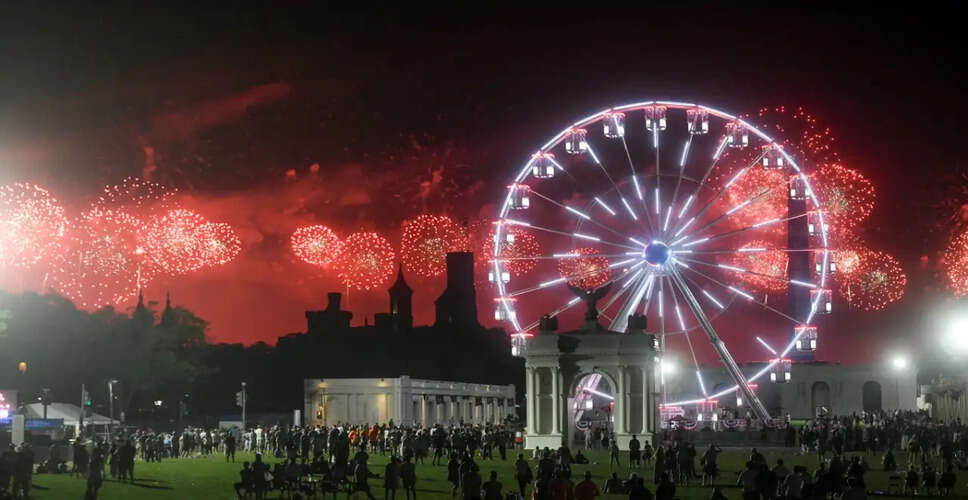
On July 5, Washington D.C. briefly held the title of the most polluted major city globally, following an extravagant fireworks display that coincided with Independence Day celebrations. Data from IQAir indicated that air quality in the capital plummeted between 3 a.m. and 5 a.m. local time, shortly after a massive fireworks event organized under the Freedom 250 initiative by the Trump administration. This event aimed to break a world record by launching 850,000 fireworks in just 40 minutes, executed by the company Pyrotecnico. Experts had previously cautioned that such a large-scale fireworks show could lead to significant pollution and health hazards.
This year's Independence Day festivities were further complicated by an unprecedented heat wave that affected parades, barbecues, and other traditional celebrations across the nation. The fireworks finale was postponed for over an hour due to thunderstorms, finally commencing just before midnight. According to IQAir, Washington D.C. recorded the worst air quality among major cities worldwide immediately following the fireworks, although it later fell to 41st place, with Jakarta, Kinshasa, and Addis Ababa taking the top three spots.
Pollution Levels Observed in Washington D.C.
Pollution monitors in Washington began to show increased levels around 8 p.m. on July 4, indicating local fireworks displays. However, the concentration of fine particulate matter surged dramatically during the main event, obscuring views for spectators downwind as smoke enveloped the area. Fine particle pollution, which consists of smoke and particles measuring 2.5 micrometers or less, peaked at over 200 micrograms per cubic meter at one monitoring site, as per city-collected data reviewed by news sources. This level far exceeds the Environmental Protection Agency's (EPA) 24-hour standard, which limits exposure to 35 micrograms per cubic meter.
'Code Purple' Alerts Issued in Surrounding Areas
Much of Washington D.C. and surrounding regions, including parts of Virginia and Maryland, were under "Code Purple" alerts, indicating air quality deemed very unhealthy for all individuals, not just vulnerable populations. In response to inquiries, EPA press secretary Brigit Hirsch remarked, "Fireworks are awesome, and we hope everyone enjoyed the incredible shows in and around our nation's capital to celebrate 250 years of America." The EPA during Trump's administration has emphasized its deregulatory measures and supported polluting industries.