
Volkswagen Considers Shift to Defense Production Amid Economic Challenges
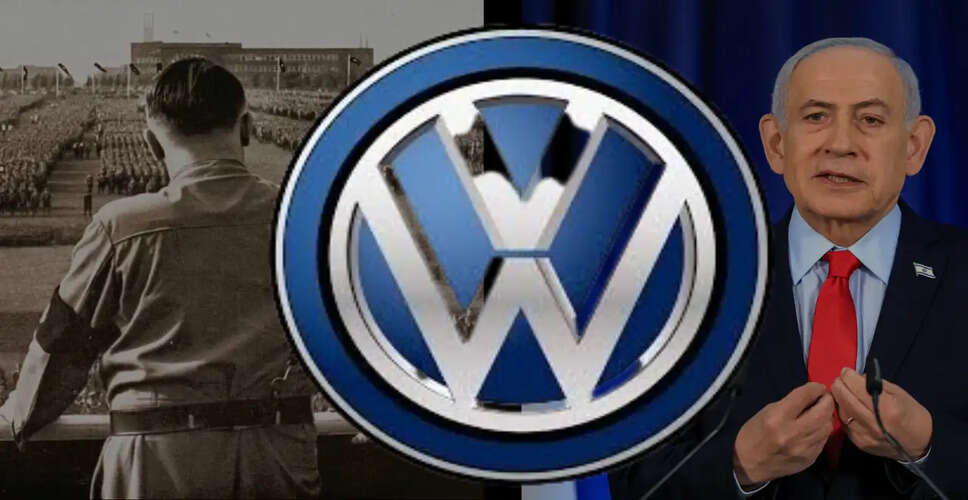

Volkswagen's Strategic Shift
Volkswagen, the renowned German automotive manufacturer with a controversial history, is reportedly in discussions to transition one of its factories from car production to manufacturing components for Israel's Iron Dome air defense system. This development has ignited significant debate, with some media outlets drawing parallels to the company's past during World War II. However, the underlying narrative is more about economic necessity than a revival of military production.
The focus is on VW's Osnabrück facility, where the company plans to cease regular vehicle manufacturing by 2027 due to declining sales of traditional models, high production costs in Germany, and increased competition from affordable electric vehicles from companies like BYD and Haima. The entry of Chinese automotive brands into the European market has significantly impacted VW's market share, prompting the company to consider alternatives to avoid shutting down the Osnabrück plant and losing approximately 2,300 jobs.
Reports indicate that Volkswagen is exploring a partnership with Israel's Rafael Advanced Defense Systems to produce support components for the Iron Dome, including heavy-duty trucks for missile transport, launchers, and power units. Notably, VW has clarified that it will not manufacture missiles or explosives. Production could commence within 12 to 18 months, contingent upon agreements with unions, government regulators, and both parties involved.
This strategic move comes at a time when the European automotive sector faces significant challenges, including sluggish demand for electric vehicles, rising energy costs, and fierce competition from Chinese manufacturers. VW has already begun scaling back operations in Germany, a move that would have been unthinkable a few years ago. Shifting to defense-related production could provide more stable demand and improved profit margins compared to competing for every car sale against low-cost rivals.
The historical context of Volkswagen cannot be overlooked. Founded in the 1930s under Adolf Hitler as part of the 'people's car' initiative, the company transitioned during the war from civilian vehicle production to military manufacturing, utilizing forced labor. After World War II, VW reestablished itself as a civilian car manufacturer. Today, while it operates as a publicly traded entity with no direct ties to its Nazi-era origins, its military associations often resurface in discussions about its operations.
Critics have raised concerns regarding international law, suggesting that Volkswagen's involvement in producing components for Israel's defense systems could implicate Germany and the company in potential violations of humanitarian law in Gaza and the occupied territories. Legal experts have pointed to the International Court of Justice's opinions, emphasizing that third countries should refrain from providing assistance that could support unlawful actions.
Supporters of the partnership argue that the Iron Dome is a defensive system aimed at protecting Israeli civilians from rocket attacks. Germany has historically been one of Israel's closest allies, supplying defense equipment without facing significant legal challenges domestically. The German government maintains that such cooperation adheres to export laws, provided risks are adequately assessed.
As discussions progress, Volkswagen has reiterated that it does not intend to manufacture complete weapons and is merely exploring options for the Osnabrück facility. The outcome of these negotiations will significantly depend on the input from union leaders and local politicians, as job preservation remains a primary concern. If the agreement is finalized, it would signify a notable shift for the factory from civilian automotive production to defense-related work.
This situation reflects broader challenges within the global automotive industry, where Chinese manufacturers are reshaping the landscape with affordable electric vehicles. For Volkswagen, the decision lies between allowing a plant to close or adapting to a sector with more predictable demand. The irony of a company with Nazi-era roots potentially contributing to Israel's defense has sparked intense discussions online and in the media. The overarching aim appears to be job preservation during a tumultuous period for the industry, though the legal and ethical implications of this shift remain uncertain.