
Viral Misattribution: Robert F. Kennedy Jr. and Christopher Nolan's The Odyssey

Misleading Video Circulates on Social Media
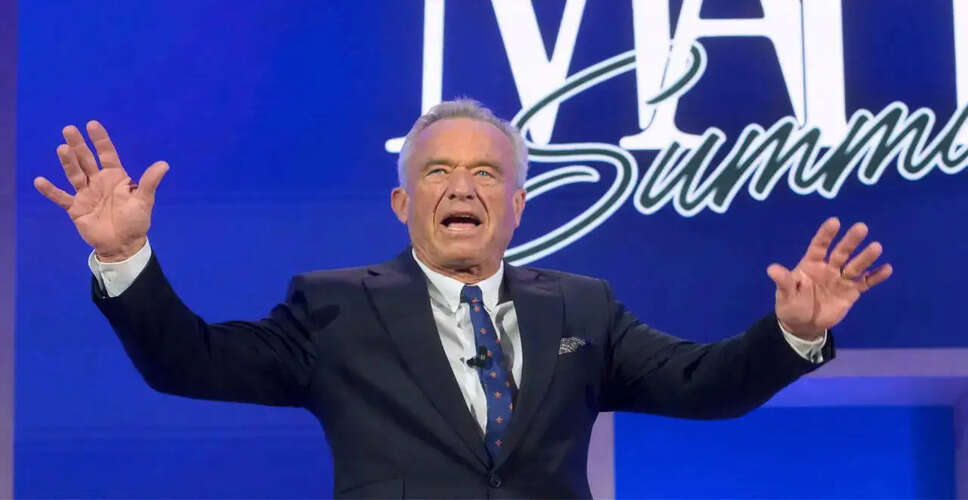
A video that has gone viral on social media appears to show US Health and Human Services Secretary Robert F. Kennedy Jr. criticizing Christopher Nolan's film The Odyssey. However, there is no evidence to support that he actually made these comments. The clip, which has garnered approximately 1.5 million views on X, features a voice that seems to be Kennedy stating: "If you enjoy The Odyssey, you might want to brace yourself for this news. We conducted some research and discovered that the producers specifically targeted gay men and cowards in their marketing strategy." Following this, the video transitions to a black screen that defines the term: "Unreal: lacking in reality, substance, or genuineness." This post originated from an X account that identifies itself as "mostly satire." A Community Note on X clarifies that there are no credible reports of RFK Jr. criticizing Nolan's film. In response to the fact-check, the account remarked that such Community Notes on memes "diminish the humor and reach."
RFK goes off on Nolan’s Odyssey: “You might want to sit down for this.” Unreal. pic.twitter.com/DSpsMnYgIA
— Maverick Alexander (@MaverickDarby) July 20, 2026
The Odyssey, inspired by Homer's ancient Greek epic, depicts Odysseus, portrayed by Matt Damon, on his quest to return to Ithaca following the Trojan War. Throughout his journey, he encounters various mythical beings, including the Cyclops Polyphemus, the Sirens, and Calypso. Prior to its release, the film faced significant backlash from several right-wing commentators regarding the casting of Black and transgender actors, such as Lupita Nyong'o, Travis Scott, and Elliot Page. This criticism led the film's official social media accounts to limit comments on certain posts. Christopher Nolan addressed the backlash before the film's debut, labeling it as "irrelevant." The Oscar-winning director expressed to The Telegraph, "These discussions that arise before audiences have seen the film are always irrelevant, as those engaging in them have no idea what the film truly entails."