
Violence Erupts in Karachi Amid Protests Over Khamenei's Alleged Death
Escalation of Protests
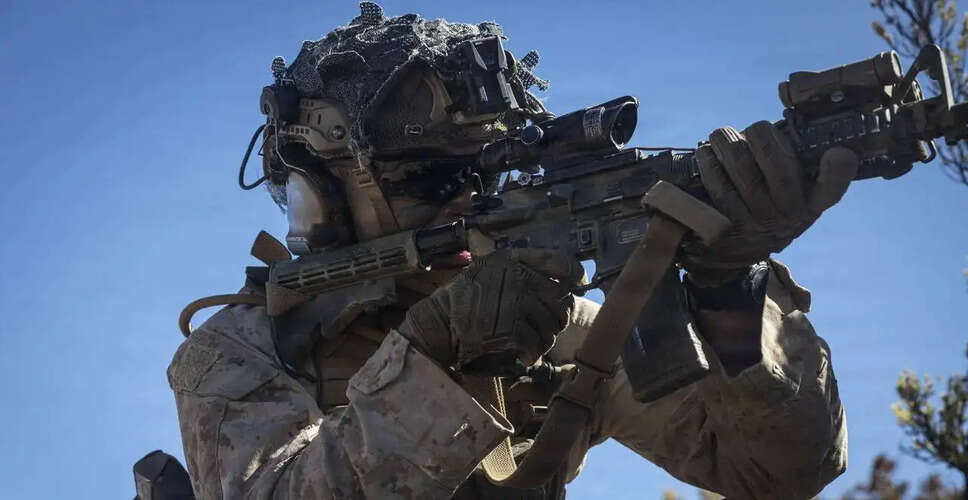
Protests in Karachi turned deadly following reports of the killing of Iran's Supreme Leader, Ayatollah Ali Khamenei. Demonstrators breached the outer perimeter of the US consulate, prompting US Marines stationed there to open fire. Witnesses reported that crowds, chanting anti-American slogans and carrying banners, forced their way through the consulate's outer wall, marking a significant escalation from peaceful protest to direct intrusion.
According to two American officials, the Marines fired shots after the security threshold was crossed. It remains uncertain if any of the rounds fired struck or killed protesters. A police official in Karachi confirmed that gunfire originated from within the consulate, but it is unclear if local police or contracted guards also discharged their weapons. Reports indicate that at least 10 individuals died in Karachi on Sunday, with nationwide fatalities reaching 26 as unrest spread to various cities.
From Protest to Breach
The unrest was ignited by claims that Khamenei had been killed in coordinated American-Israeli strikes on Iranian territory, stirring public outrage in Pakistan, which has a significant Shia population. As protests escalated, demonstrators in Karachi moved beyond mere chants, overwhelming the outer security managed by local authorities.
Experts in security noted that Marine Security Guards are not typically deployed for crowd control outside diplomatic premises; their primary role is to safeguard classified materials and US personnel within secure areas. The engagement of Marines indicates that protesters breached the initial security perimeter, activating defensive protocols.
Under US diplomatic security guidelines, lethal force is permitted when intrusions pose an immediate threat to life or protected facilities, although such instances are rare. When they do occur, it indicates that prior deterrent measures have failed.
Understanding Multi-Layered Security
US diplomatic facilities are protected by multiple layers of security, overseen by Regional Security Officers. The outermost layer is managed by local police and contracted guards responsible for crowd management and access control. Inside the compound, Marine Security Guards protect sensitive areas and classified materials, supported by technical systems such as reinforced barriers, CCTV, alarm systems, and electronic access controls.
The fact that Marines discharged their weapons suggests that the breach transitioned from a symbolic protest to a direct physical threat within secured zones. The exact circumstances surrounding the gunfire are still under investigation, and US officials have not confirmed whether the Marines' shots resulted in fatalities or if other armed individuals contributed to the gunfire.
Nationwide Repercussions and Political Tensions
The violence in Karachi had broader implications, prompting the Pakistani government to prohibit large public gatherings as protests spread to other cities. Roadblocks were established near diplomatic missions, and security was heightened around US facilities in Lahore and Islamabad.
Prime Minister Shehbaz Sharif has yet to publicly address the incident at the consulate. Pakistan Army Chief Asim Munir is under increasing pressure as tensions rise, trying to balance domestic unrest with Islamabad's strategic relationship with Washington. The US has suspended visa services in Pakistan until March 6 due to the ongoing security situation, affecting the embassy in Islamabad and consulates in Karachi and Lahore.
Despite restrictions, religious leaders have called for further protests, indicating a high risk of renewed mobilization.
Diplomatic and Strategic Consequences
Instances of live fire within a US diplomatic compound are extremely rare. Marine Security Guards are primarily intended as a deterrent force, tasked with preventing escalation rather than engaging in it. The threshold was crossed in Karachi, introducing a new and volatile element into US-Pakistan relations amid broader regional instability.
Anti-American sentiments may rise, and internal security measures are likely to tighten in the coming days. The precise accountability for the fatalities remains unresolved, with ongoing investigations. However, one fact is clear: protesters breached a fortified diplomatic perimeter, and US Marines responded with gunfire.