
US Vice President JD Vance Defends New Iran Agreement Amid Regional Support

Vance's Strong Defense of the Iran Agreement
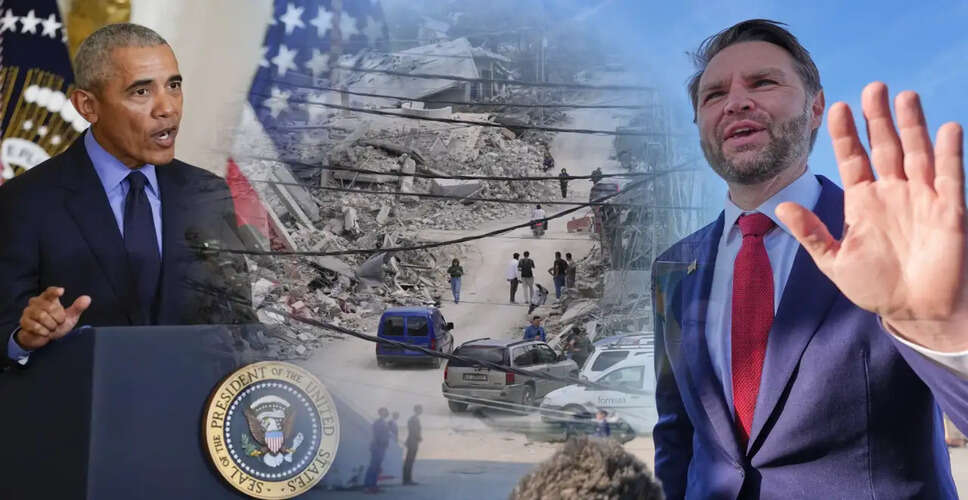
US Vice President JD Vance has vigorously defended the Trump administration's proposed agreement with Iran, asserting that it has garnered regional support and addresses many issues that previously hindered diplomatic relations with Tehran. In an interview with Fox News, Vance compared this new framework to the 2015 nuclear deal established under former President Barack Obama, highlighting a significant shift in the attitudes of Middle Eastern allies, particularly Gulf Arab nations, who have historically been wary of Iran's ambitions. He stated, "The Gulf Arabs hated the Obama deal," indicating that the current agreement aligns more closely with their security priorities.
Vance's comments come as the US and Iran are moving towards a broader agreement aimed at resolving ongoing conflicts, reopening the Strait of Hormuz, and facilitating discussions regarding Iran's nuclear program. His remarks reflect a broader strategy by the White House to reassure skeptics in Congress and among US allies that this agreement is not a concession to Iran but a means to limit its nuclear capabilities while mitigating the risk of extended regional conflict.
Nuclear Safeguards Highlighted by Vance
Vance Emphasizes Nuclear Safeguards
A key aspect of Vance's defense centered on Iran's enriched uranium stockpile and the stipulations tied to any potential benefits under the agreement. He stated, "They're agreeing right now to eliminate the enriched stockpile," emphasizing that if Iran does not adhere to its commitments regarding uranium enrichment, it will not receive the broader advantages outlined in the framework. This is crucial as critics of past agreements have often claimed that Iran maintained avenues to restore its nuclear capabilities. Vance assured that the current agreement includes verification measures to prevent Iran from developing nuclear weapons.
The administration has consistently asserted that stopping Iran from acquiring nuclear weapons is a top priority. While discussions on technical specifics are set to continue, US officials believe that the framework provides leverage through phased incentives linked to compliance. Vance also addressed concerns regarding American taxpayer funding for Iran.
Vance Denies US Funding for Iran
'Not A Dime': Vance Dismisses Funding Claims
When questioned about the possibility of American taxpayer money being allocated to Iran under the agreement, Vance firmly responded, "No. They never get a dime of American taxpayer money. Ever. Full stop. Not even close." This statement aims to alleviate worries among Republican lawmakers and conservative constituents who have criticized previous agreements with Iran. Critics have often argued that sanctions relief indirectly empowered Iran's government and supported regional proxy groups.
In contrast, the Trump administration has characterized the current agreement as fundamentally different, asserting that any economic advantages for Iran would be contingent upon compliance with nuclear restrictions and commitments to regional stability, rather than direct financial aid from the US. Vance's remarks come at a pivotal time as the administration seeks to garner both domestic and international backing for the agreement. While uncertainties linger regarding implementation, verification processes, and the future of Iran's nuclear ambitions, the White House is increasingly framing the deal as a strategic advancement that enjoys broader regional acceptance than previous diplomatic efforts.
Whether this argument will sway critics remains uncertain, but Vance's message is clear: unlike the Obama-era agreement, the current framework is believed to have stronger support from America's Middle Eastern allies and more stringent safeguards against Iran's nuclear aspirations.