
US Urges India to Purchase Russian Oil Amid West Asia Conflict: What’s Behind This Move?
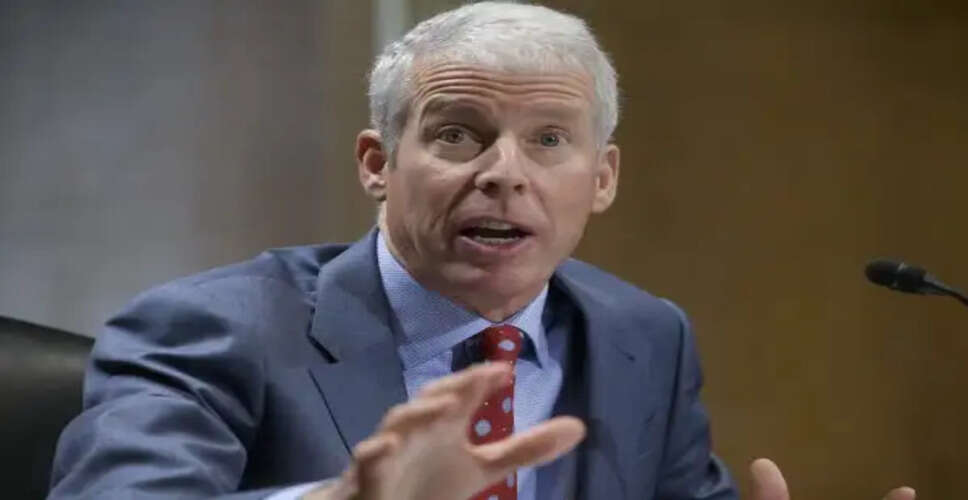
US Encourages India to Buy Russian Oil
New York/Washington: The United States has advised India to acquire Russian oil that is currently at sea and redirect it to Indian refineries. This recommendation aims to alleviate concerns over potential supply shortages and rising prices due to the ongoing conflict in West Asia, as stated by Energy Secretary Chris Wright.
Wright emphasized that this initiative is a temporary and practical solution to stabilize the oil market and does not indicate a shift in the US stance towards Russia.
In a recent CNN interview, he mentioned that he and Treasury Secretary Scott Bessent had discussions with Indian officials regarding the purchase of Russian crude oil that is awaiting unloading at Chinese refineries.
"India has been a valuable partner in this situation. We reached out to Indian authorities to inform them about the oil that is currently floating and waiting to be unloaded in China," Wright explained.
"Instead of letting it sit for six weeks, we propose bringing that oil to Indian refineries to mitigate fears of shortages and price increases in the market," he added.
Despite this move, Wright clarified that US policy regarding Russia remains unchanged, and India is fully aware of this.
When asked if the Treasury Department's 30-day waiver for Indian refiners to purchase Russian oil amid the US-Israel conflict with Iran undermines previous efforts to isolate Moscow, he responded, "It does not. This is merely a short-term pragmatic measure. No policy change towards Russia is involved."
Wright also noted that India has significantly reduced its Russian oil imports while increasing purchases from the US, Venezuela, and other countries.
US Ambassador to the United Nations, Mike Waltz, supported this decision, describing it as a temporary and practical approach.
"I must clarify that this is a 30-day pause to facilitate the transfer of millions of barrels of oil currently on ships to Indian refineries," Waltz stated during an NBC News interview.
He added that this situation is expected to be temporary, suggesting that it represents short-term challenges for long-term benefits, particularly in reducing Iran's influence over global energy supplies.
Last week, the US announced it had authorized India to purchase Russian oil already in transit to help ease global supply issues amid the West Asia conflict.
"The world is adequately supplied with oil. The Treasury Department has permitted our allies in India to start acquiring Russian oil that is already on the water," Treasury Secretary Bessent mentioned in an interview with Fox Business.
He noted that India had previously halted purchases of sanctioned Russian oil following US requests and was anticipated to replace those supplies with American crude.
"The Indians have been cooperative. We asked them to stop buying sanctioned Russian oil this fall, and they complied. To address the temporary gap in global oil supply, we have allowed them to accept Russian oil. We may also reconsider sanctions on other Russian oil," Bessent stated.
He highlighted that there are substantial amounts of sanctioned crude oil currently at sea, and by lifting sanctions, the Treasury could effectively increase market supply.
"We will continue to announce measures aimed at providing relief to the market during this conflict," Bessent added.
According to a statement from the Treasury Department, the license permits transactions necessary for the sale, delivery, or offloading of Russian-origin crude oil or petroleum products loaded on vessels before 12:01 AM Eastern Standard Time on March 5.
This authorization is valid until 12:01 AM Eastern Daylight Time on April 4, provided that delivery or offloading occurs at an Indian port and the purchaser is an entity organized under Indian law.
However, the license does not permit any transactions involving Iranian goods or services, which remain prohibited under existing US sanctions.