
U.S. Unveils 15-Point Strategy to Resolve Iran Conflict Amidst Denials from Tehran
Overview of the U.S. Proposal
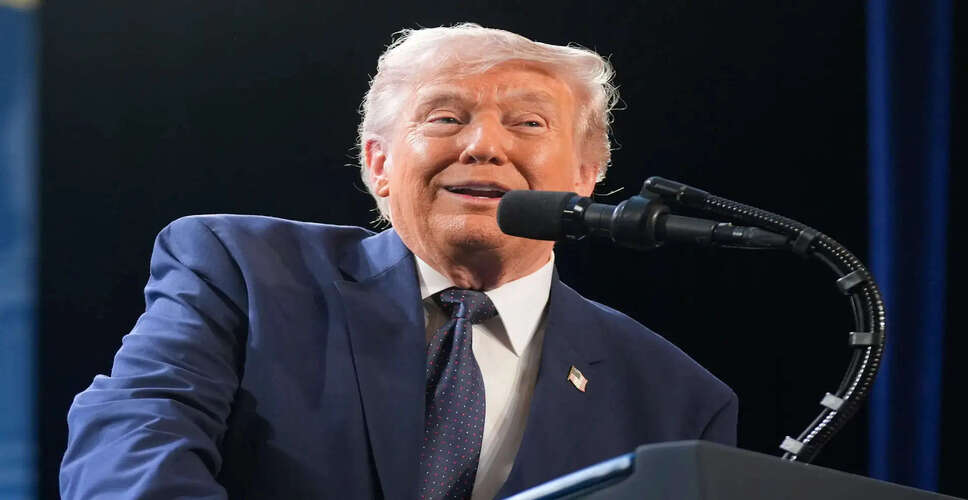
The United States has introduced a comprehensive 15-point strategy aimed at resolving the ongoing tensions with Iran, despite Tehran's assertion that no formal discussions are underway. Reports from various sources indicate that envoys from President Donald Trump have relayed this proposal to Iran via Pakistan, which has expressed willingness to facilitate potential peace negotiations. Trump has characterized the exchanges between Washington and Tehran as 'very good and productive,' a claim that Iranian officials have dismissed, asserting that the U.S. is merely 'negotiating with itself.'
Impact of the Ongoing Conflict
The conflict, which escalated on February 28 during nuclear discussions, has resulted in substantial casualties and economic turmoil. Iranian authorities report approximately 1,500 fatalities and over 18,000 injuries. Additionally, the war has disrupted global energy markets, causing a significant spike in oil prices due to interruptions in shipping routes, particularly through the Strait of Hormuz.
Key Elements of the U.S. Plan
While the specifics of the 15-point plan have not been officially disclosed, it is believed to include a temporary ceasefire and broader stipulations aimed at limiting Iran's military and nuclear capabilities. Key components reportedly involve a 30-day ceasefire during ongoing negotiations, dismantling nuclear facilities at Natanz, Isfahan, and Fordow, and a permanent commitment from Iran to refrain from developing nuclear weapons.
Furthermore, the proposal calls for Iran to transfer its enriched uranium stockpile to the International Atomic Energy Agency (IAEA) and to permit comprehensive monitoring of its nuclear facilities. It also suggests restrictions on Iran's missile program and an end to its support for regional armed groups. Other provisions include reopening the Strait of Hormuz, ceasing attacks on energy infrastructure, and lifting U.S. sanctions on Iran, alongside U.S. assistance for electricity generation at Iran's Bushehr nuclear power plant.
U.S. Military Preparations
Simultaneously, the U.S. is bracing for the possibility of ongoing conflict, with reports indicating that up to 3,000 troops from the 82nd Airborne Division may be deployed to the region.
Evolution of U.S. Demands
Some of the U.S. demands, particularly those concerning Iran's nuclear program, align with previous positions. During a brief conflict in 2025, U.S. forces targeted critical Iranian nuclear sites, including Natanz, Isfahan, and Fordow. However, other objectives seem to have shifted; earlier discussions about regime change in Iran are notably absent from the current proposal.
Iran's Stance and Conditions
Iran has firmly rejected the notion of negotiations under the current circumstances. Military leaders have taken a strong position against talks with Washington. Ebrahim Zolfaqari, spokesperson for Iran's joint military command, expressed skepticism on state television, questioning the sincerity of U.S. negotiations.
Despite this, Iran has articulated its own conditions for ending the conflict. President Masoud Pezeshkian stated that the war could conclude if Iran's rights are acknowledged and reparations are made. He emphasized that recognizing Iran's legitimate rights, providing compensation, and ensuring international guarantees against future aggression are essential for peace.
Iran is also believed to be seeking the lifting of sanctions, the closure of U.S. military bases in the region, and increased control over transit through the Strait of Hormuz.
Possibility of a Deal
While significant gaps remain between both parties, some analysts suggest that limited engagement could still occur. Reports indicate informal outreach rather than structured negotiations. Iran has shown a willingness to consider proposals that ensure it will not pursue nuclear weapons while allowing for peaceful nuclear activities, contingent upon the lifting of sanctions.
Experts note that there is growing pressure on both sides to de-escalate the situation, as the conflict has strained global markets and raised concerns among regional nations affected by attacks on energy infrastructure. Additionally, domestic political pressures in the U.S. and economic challenges in Iran may drive both governments toward some form of dialogue. However, deep-seated mistrust and conflicting demands continue to cast doubt on the likelihood of a swift agreement.