
US Treasury Secretary Defends Lifting Sanctions on Iranian Oil Amid Controversy
Defending the Policy Shift
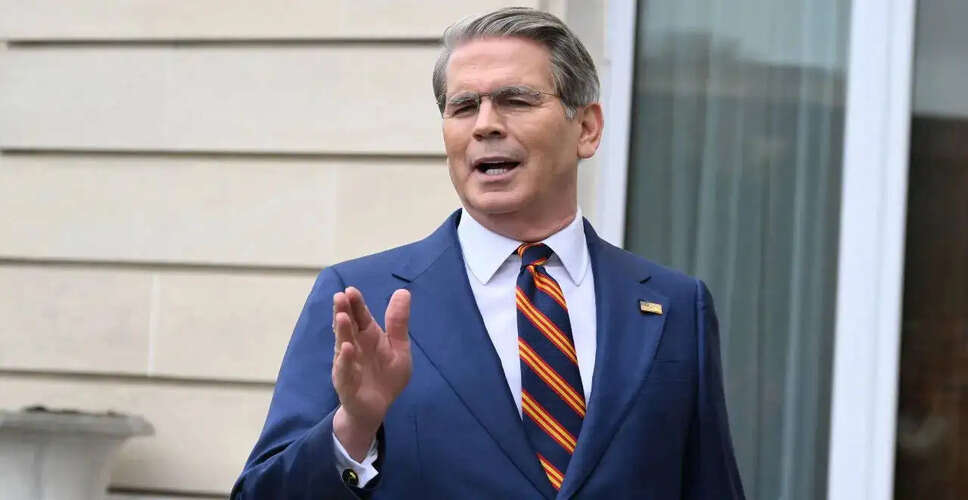
During a heated discussion on NBC's Meet the Press, US Treasury Secretary Scott Bessent stood by the decision to remove sanctions on Iranian oil, facing tough questions regarding the potential consequences of this policy. In his conversation with host Kristen Welker, Bessent dismissed claims that this action would financially benefit Iran, despite estimates suggesting Tehran could gain up to $14 billion. He argued, "Why don't we have good facts here?" emphasizing that Iranian oil would have been sold to China regardless, albeit at a discounted rate.
As the interview progressed, Bessent grappled with his rationale, questioning the implications of fluctuating oil prices: "Which is better? If oil prices spike to $150 and they were getting 70% of that, or oil prices below a hundred? It's better to have them where they are now." He characterized the policy as a strategic maneuver, stating, "In essence, we are jiu-jitsuing the Iranians. We are using their own oil against them." He further claimed that allowing Iranian oil into broader markets would enhance US oversight, while also arguing that revenue projections were "grossly overstated."
🚨 NBC’s Kristen Welker presses Treasury Secretary Scott Bessent on war strategy; he responds, “Sometimes you have to escalate to de-escalate,” rejecting a simple answer.pic.twitter.com/qK5bTBlVI9
— Derrick Evans (@DerrickEvans4WV) March 22, 2026
When pressed further, Bessent acknowledged that Iran would still receive substantial funds, stating, "Iran will get a huge amount of the money because it's a state sponsor of terrorism and China is helping them." Welker challenged whether the sanctions were initially designed to restrict Iran's access to such funds. Bessent firmly countered, insisting, "Again, Kristen, you're missing the point. Please listen to me. They were getting it from China anyway." The dialogue intensified as they discussed the potential effects on US fuel prices. Bessent criticized the framing of the question as "terrible" and elaborated on global oil supply dynamics, noting that approximately 20 million barrels per day typically transit through the Gulf, with some volumes already compensated by nations like Saudi Arabia and the UAE. He estimated a current shortfall of 10 to 14 million barrels per day, arguing that the 140 million barrels of Iranian oil impacted by the decision would equate to "between ten days and two weeks of supply." This policy change follows a broader adjustment in US energy sanctions initiated under Donald Trump, who has also recently lifted restrictions on Russian oil. These developments occur amidst ongoing tensions in the Strait of Hormuz related to the conflict with Iran, which analysts warn could lead to a significant increase in global oil prices.