
US Resumes Military Operations Against Iran Amid Rising Tensions
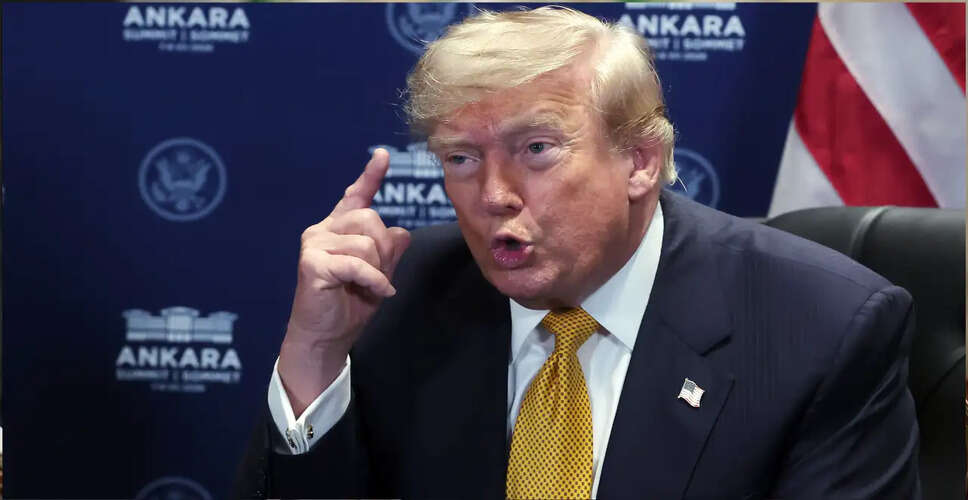

Military Action Against Iran Resumes
President Donald Trump has officially informed Congress that military operations against Iran have recommenced, raising concerns about the need for congressional approval if the conflict escalates. As reported by Punchbowl News, Trump communicated to lawmakers on July 10 that "military action commenced" in the region. This notification adheres to the War Powers Act, which mandates that the president must notify Congress within 48 hours of initiating military action.
This development has sparked renewed discussions regarding the duration US forces can remain involved without congressional consent. According to the War Powers Act, military operations can persist for 60 days following congressional notification, with a potential 30-day extension. Any engagement beyond this period typically requires legislative approval.
Trump had previously updated Congress about military actions on March 2, meaning those timelines have now lapsed. It remains uncertain whether the administration will claim that the recent strikes represent a new military operation, thereby resetting the 60-day timeline, or if Congress will pursue a vote to either endorse or oppose the renewed military efforts. In his notification, Trump emphasized that there are no US ground troops currently in the region.
US Reinstates Blockade on Iran as Tensions Escalate
The congressional notification coincides with the resumption of military strikes between the United States and Iran, following Trump's declaration that the ceasefire has ended. The US military has also confirmed that a naval blockade of Iranian ports and coastal regions will be reinstated at 20:00 GMT on July 14. This blockade, which was lifted on June 18, will be enforced by U.S. Central Command starting Tuesday.
The US Navy-led Joint Maritime Information Centre (JMIC) has cautioned that all neutral vessels should vacate the blockaded area before enforcement begins. The blockade will encompass Iran's entire southern coastline, including its ports and oil terminals. However, neutral transit through the Strait of Hormuz and humanitarian shipments will still be permitted after inspections.
JMIC has also warned that "ships aiding vessels circumventing the blockade... will be subject to boarding," and enforcement may involve "disabling and destructive fires upon vessels that do not comply immediately." Earlier, Trump announced on Truth Social that "The Hormuz Strait is OPEN, and will remain OPEN, with or without Iran," asserting that the U.S. would reinstate "THE IRANIAN BLOCKADE" and become "THE GUARDIAN OF THE HORMUZ STRAIT." He also suggested a 20% fee on cargo passing through this critical waterway, stating that the U.S. would be "reimbursed" for security costs in the area.
Iran swiftly dismissed Trump's stance. Foreign Minister Abbas Araghchi declared that Iran would remain the "guardian" of the Strait of Hormuz "forever." The resurgence of hostilities has also raised doubts about the memorandum of understanding signed by the United States and Iran last month, which aimed to outline steps toward conflict resolution and prevent Iran from advancing its nuclear capabilities. With both nations engaging in fresh strikes, the prospects for a long-term peace agreement remain uncertain.