
U.S. Plans to Treat Ebola Patients in Europe Instead of Home

Ebola Treatment Protocol for Americans
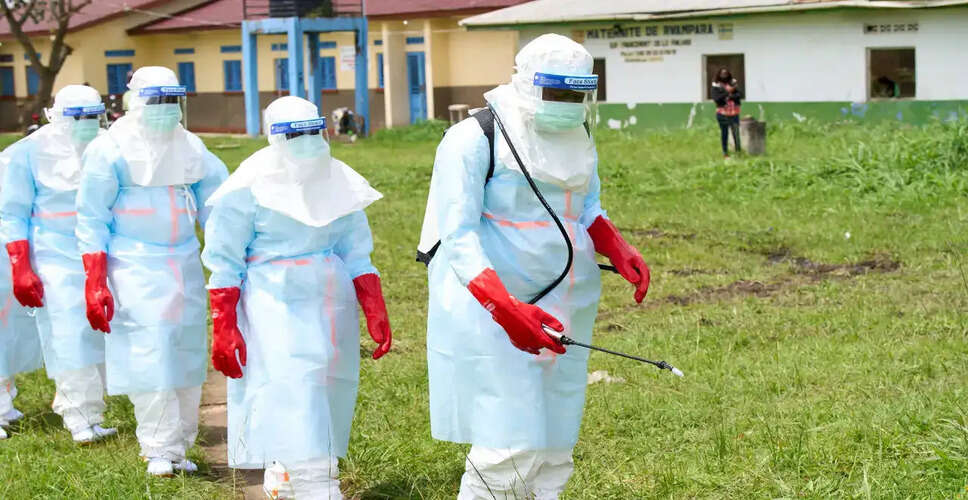
Americans working in regions affected by the Ebola outbreak in Africa who test positive for the virus will not be flown back to the U.S. for treatment. Instead, senior officials from the Trump administration announced on Thursday that these individuals will be sent to medical facilities in Europe. This decision has sparked significant backlash from public health experts, who argue that the U.S. possesses the necessary infrastructure to manage such cases effectively.
Initial Quarantine in Kenya
Before any transfer to Europe occurs, Americans exposed to the virus will first be taken to a quarantine facility established by the U.S. government at Laikipia Air Base in Kenya. This base, which can accommodate up to 50 patients, is set to open soon. Medical personnel stationed there will evaluate each individual, and those who test positive or exhibit symptoms will be placed in isolation units until arrangements for their transport to a European facility are made. The Kenyan government has approved this plan.
Rationale Behind European Transfers
Officials have stated that transporting patients to Europe is a quicker option than sending them back to the U.S., emphasizing the importance of prompt treatment in Ebola cases. Secretary of State Marco Rubio highlighted this point, asserting that the administration is determined to prevent any Ebola cases from entering the United States. However, it remains unclear whether Americans treated in Europe will be permitted to return home after recovery.
Criticism from Health Experts
Many public health experts are skeptical of the reasoning behind this policy. They note that the U.S. has specialized biocontainment units designed for treating highly infectious diseases like Ebola. Critics argue that this decision is more politically motivated than logistical, aimed at ensuring that no Ebola cases reach American soil, regardless of the implications for the patients.
Escalating Ebola Outbreak
The context for these developments is an ongoing Ebola outbreak that continues to escalate, with suspected cases nearing 1,000, according to the University of Minnesota's Center for Infectious Disease Research and Policy. The World Health Organization has raised alarms about severe challenges in the Democratic Republic of Congo, where the outbreak is concentrated, stating that conditions are hindering efforts to trace contacts and control the spread of the virus. The CDC and State Department are currently determining which European facilities will accept American patients, describing them as high-level care sites without specifying locations.