
US Panel Recommends Sanctions Against RSS for Religious Freedom Violations in India
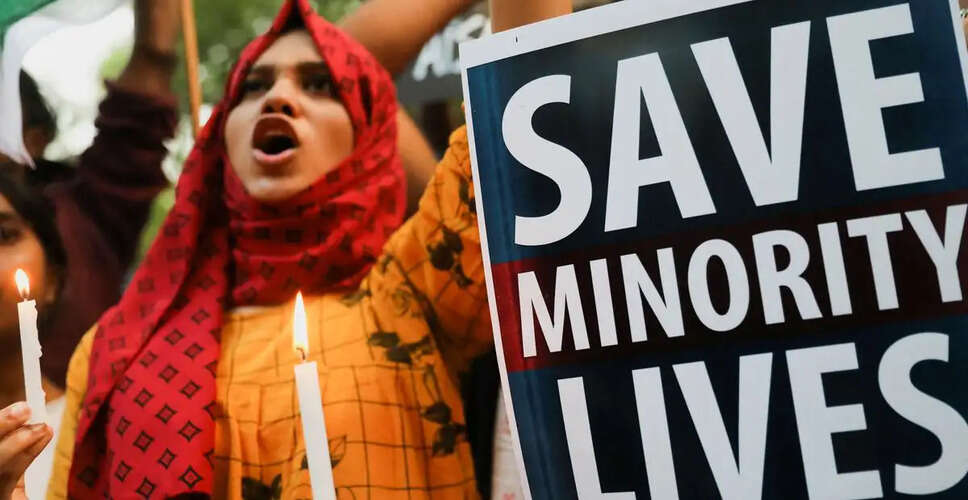
US Commission Calls for Action Against RSS
A recent report from a US panel has suggested that the Rashtriya Swayamsevak Sangh (RSS) should be subjected to targeted sanctions due to its role in or tolerance of religious freedom violations in India. These sanctions could involve freezing the organization's assets and restricting entry into the United States.
The RSS serves as the foundational organization for the Bharatiya Janata Party (BJP), which is led by Prime Minister Narendra Modi.
This recommendation was part of the United States Commission on International Religious Freedom's 2026 annual report, which was published earlier this month.
The commission operates as an independent agency of the US government, tasked with monitoring the global right to religious freedom and providing policy recommendations to the White House, although these recommendations are not legally binding.
In a specific update regarding India released in November, the commission highlighted the close ties between the RSS and BJP, which facilitate the enactment of various discriminatory laws, including those related to citizenship, anti-conversion, and cow slaughter.
The 2026 report also urged the Trump administration to classify India as a 'country of particular concern' for its ongoing and severe violations of religious freedom, marking the seventh time this recommendation has been made.
India has yet to respond to the latest findings. However, in March 2025, the Ministry of External Affairs criticized the commission for its 'biased and politically motivated' assessments.
India is among 18 nations recommended for this designation, alongside countries like Afghanistan, Myanmar, China, and Pakistan.
Deteriorating Religious Freedom in India
The commission's latest report indicates that in 2025, the situation regarding religious freedom in India continued to worsen, as the government implemented new laws targeting religious minorities and their places of worship.
The report stated that Indian authorities facilitated the unlawful detention and expulsion of citizens and religious refugees, while also allowing vigilante attacks against minority communities.
It was noted that the Union government has been utilizing anti-terrorism laws to imprison religious minorities and their advocates.
The report highlighted that activists such as Umar Khalid and Sharjeel Imam, who participated in the 2020 Citizenship Amendment Act protests, have remained incarcerated for five years without trial.
Throughout the year, Hindu nationalist groups reportedly harassed and incited violence against Muslims and Christians with little to no repercussions. Violent mobs attacked Muslims under the pretext of enforcing cow slaughter laws.
Additionally, the report pointed out that 12 states in India have enacted anti-conversion laws, with several state governments introducing stricter legislation in 2025 that broadens the definition of 'religious conversion' and imposes harsher penalties.