
US Offers $10 Million Reward for Information on Militant Coordinator Abu Waala al Wa’eli
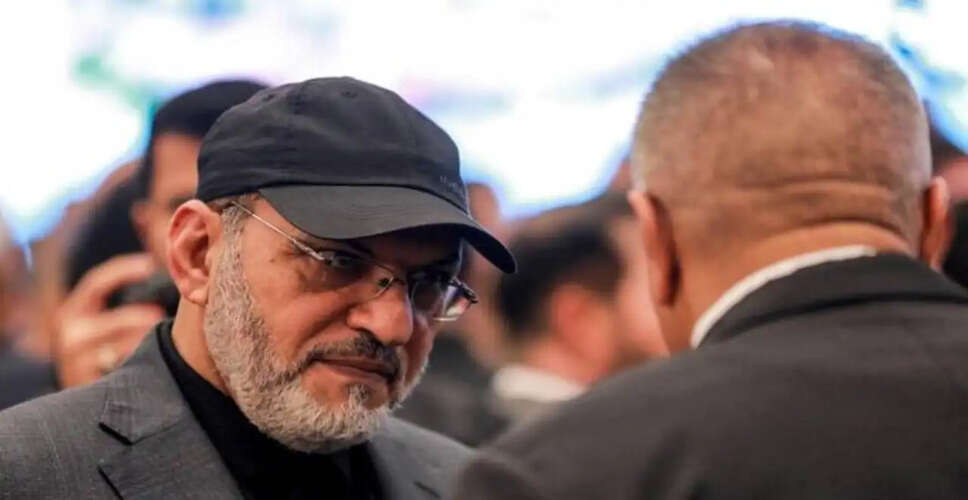

Significant Reward for Key Militant Figure
The United States government has announced a reward of up to $10 million for information leading to Abu Waala al Wa’eli, a high-value target linked to militant operations in the Middle East. This announcement, made through the State Department’s Rewards for Justice initiative, marks a significant escalation in efforts to locate an individual believed to be central to extremist networks in the region.
Officials describe al Wa’eli not as a visible militant leader but as a crucial behind-the-scenes figure who ensures the smooth operation of various networks. His role involves coordinating logistics, facilitating financial transactions, and maintaining communication among groups dispersed across multiple countries.
Al Wa’eli's covert role complicates efforts to track him down. He typically utilizes third-party intermediaries for communication and frequently alters his locations, which minimizes his exposure compared to battlefield commanders who are more visible. U.S. officials indicate that his ability to navigate the chaos of war-torn regions allows him to exploit clandestine travel routes and local contacts, enabling him to cross borders undetected.
While specific details about al Wa’eli's associates remain scarce, authorities have noted his collaboration with various terrorist organizations, assisting in coordinating their activities at different times. His support functions include arranging safe passage, procuring weapons and supplies, and managing personnel movements within operational theaters. Although these roles may not be as overt as direct combat support, they are vital for the success of significant operations.
The $10 million reward categorizes al Wa’eli among a select group of individuals deemed top-tier targets by U.S. authorities. Such high-value rewards are typically reserved for those believed to wield strategic influence rather than merely tactical roles.
Security experts suggest that this initiative reflects a broader shift in counterterrorism strategies. Instead of focusing solely on ground fighters, there is an increasing emphasis on dismantling the networks that sustain them—financiers, facilitators, and coordinators who maintain operational continuity even amidst disrupted leadership.
The Rewards for Justice program has a history of successfully gathering human intelligence when traditional surveillance methods fall short. Tips generated through this program have, at times, led to arrests or the dismantling of critical militant infrastructure. Officials emphasize that information can be shared confidentially, and in certain cases, informants may qualify for relocation or protection.
The timing of this announcement is noteworthy, given the numerous conflicts and shifting alliances in the Middle East, which have fostered an environment conducive to the rapid evolution of decentralized networks. Individuals like al Wa’eli, who can navigate multiple networks, are termed "force multipliers"—their removal could disrupt several channels simultaneously. Despite the reward for information on al Wa’eli, there remains limited publicly available information about him, such as his biography, precise location, or the full extent of his activities. Due to the sensitive nature of ongoing intelligence operations, details regarding al Wa’eli's background and operations may not be readily accessible; however, his high-priority status is unmistakable.
By offering one of its highest-tier rewards, the United States conveys a clear message: even those who operate in the shadows of conflict zones are under close surveillance and are now firmly within the government's sights.