
U.S. Navy Abandons USS Boise Amidst Costly Overhaul Failures
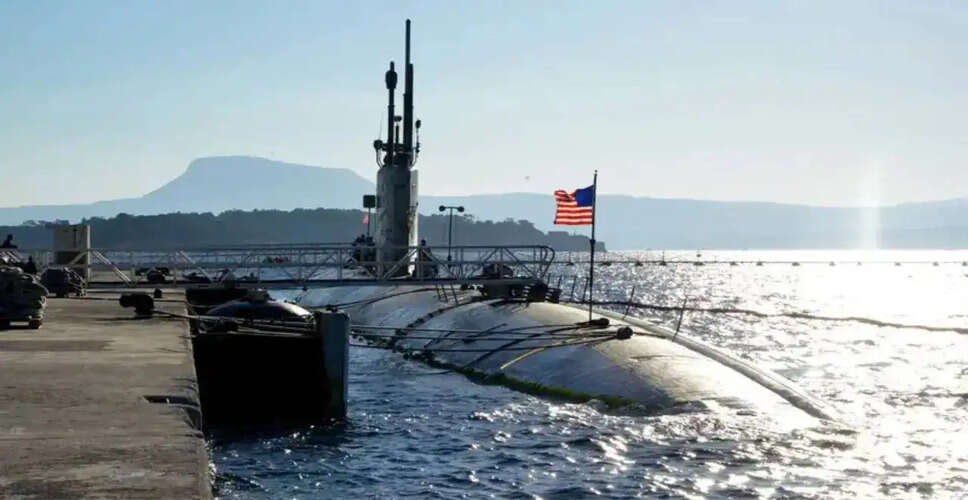

USS Boise: A Costly Decision
The U.S. Navy has decided to discontinue efforts on the USS Boise, a nuclear-powered attack submarine that has remained largely inactive for the past decade. The financial toll has already reached nearly $800 million, with minimal progress made. The Los Angeles-class submarine lost its dive certification in 2017 and has been stuck at a private shipyard in Virginia since then. Due to backlogs at public shipyards, the work was shifted to a private facility, where advancements have been slow. Navy Secretary John Phelan acknowledged the situation, stating, "We messed up. This is not a good look. It is what it is. Time to move on." If the Navy had continued, estimates suggested an additional lifecycle cost of approximately $1.9 billion, and Phelan expressed skepticism about the submarine being operational by the 2029 target date.
Strategic Shift in Navy Operations
Cutting Losses
Phelan emphasized that the decision to inactivate the Boise is part of a larger strategy to cease funding projects that are no longer viable. He stated, "By terminating these programs, we send a message that we will not continue to invest in poor decisions," highlighting a shift towards prioritizing ships that can be deployed in the near future. He believes that reallocating labor and resources from the Boise's halted overhaul will enhance the Navy's ability to deploy other vessels more quickly. Admiral Daryl Caudle, Chief of Naval Operations, supported this view, indicating that this move would expedite the delivery of newer Virginia and Columbia-class submarines, which are essential for the Navy's future undersea capabilities.
Implications of Trump's Naval Expansion
Trump's "Golden Fleet" and a Record Shipbuilding Budget
The decision regarding the Boise is part of a broader transformation within the Navy. The previous administration prioritized naval expansion, with President Trump's "Golden Fleet" initiative advocating for new battleships and a comprehensive reevaluation of shipbuilding and maintenance practices. The proposed budget for 2027 allocates over $65 billion for shipbuilding, a significant increase from the previous year's budget of under $42 billion, which financed 19 new battle force ships. Phelan is currently assessing all Navy programs as the service aligns with this new vision, adopting a strategy of "radical transparency," a term not commonly associated with the military's public acknowledgment of its shortcomings.
Congressional Challenges Ahead
A Warning About Congress
Despite the positive outlook surrounding the new budget, Phelan issued a stark warning: if Congress does not pass a comprehensive spending bill and resorts to a temporary continuing resolution for the upcoming fiscal year, it would have detrimental effects. Such a situation would hinder the Navy's ability to initiate new contracts and impede the modernization efforts that the administration is counting on.
Future Prospects for the Navy
What Comes Next
The inactivation of the USS Boise alone will not resolve the Navy's extensive maintenance backlog, a longstanding issue. However, for Phelan, it represents a pivotal moment: an acknowledgment of past missteps and a commitment to making more informed decisions moving forward. The effectiveness of this promise will largely depend on Congress's subsequent actions.