
US Military Intensifies Strikes Against Iran Amid Escalating Tensions
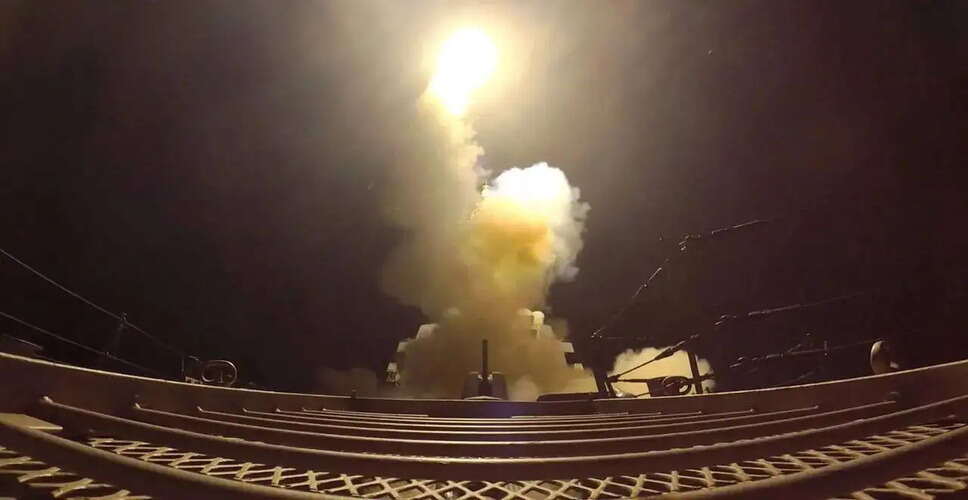

Ongoing Military Operations
On Thursday evening, the United States military initiated its 13th consecutive night of airstrikes targeting Iranian military installations. This escalation follows President Donald Trump's remarks about potentially broadening military actions, hinting at operations that could surpass those conducted during Operation Epic Fury. According to a statement from US Central Command (CENTCOM), the latest strikes commenced at 6:45 PM ET, aimed at holding Iran accountable and reducing threats posed by the Islamic Revolutionary Guard Corps to commercial shipping.
Reports from Iran's Fars news agency indicated multiple explosions in Ahvaz, the capital of Khuzestan province, along with similar incidents in the southern port city of Bandar Abbas. This military action was prompted by Trump's indication of a significant escalation in the conflict, stating, "I am considering a massive attack. Bigger than ever before. I am close to making a decision. We are all set for it," during a brief interview with Axios. However, two US officials clarified that no final decision had been reached, nor had any new military orders been issued.
Trump mentioned that Israel would be ready to assist within minutes if requested, but emphasized that the US could proceed independently with operations against Iran. He cautioned that there would be repercussions if Israel participated, hinting at potential Iranian retaliation against the nation. The president also noted that Iran has been uncooperative in diplomatic negotiations, stating, "They haven't received enough pain yet." Sources familiar with the mediation efforts revealed that Iran's leadership had not accepted the latest proposals during discussions, with one source commenting, "We are trying, but the Iranians are not being helpful."
Trump's Warning on Iranian Assets
Trump's Iran Assets Warning
Earlier on Thursday, Trump asserted that any damages inflicted on ships or cargo by Iranian-backed groups would be compensated using Iranian assets currently frozen under US control. He stated, "These damages may be very substantial, but nevertheless, this is the fair and equitable thing to do," on Truth Social.
Another video of the US airstrikes in Ahvaz, Iran. pic.twitter.com/l8wT8HfI1j
— Faytuks Network (@FaytuksNetwork) July 23, 2026
This statement followed attacks on Saudi vessels in the Red Sea by Iran-backed Houthi rebels, which have contributed to a significant increase in oil prices, now exceeding $100 per barrel. The release of frozen Iranian assets was part of a memorandum of understanding reached between Tehran and Washington in June, but adherence to this agreement has faltered amid ongoing military actions and Iran's continued targeting of shipping in the Strait of Hormuz. US officials indicated that the current military campaign aims to deter Iranian assaults on commercial shipping in this crucial waterway. The conflict has escalated over the past 12 days, with Iran persisting in its attacks despite repeated US strikes. Trump reiterated that the US would hold Iran accountable for any further Houthi assaults, stating, "If the Houthis fire again at ships in the Red Sea, the U.S. will hold Iran responsible." He characterized the Houthis as an Iranian proxy, warning that significant military consequences would be imposed on both Iran and the Houthis themselves.