
US-Israeli Strike Claims Life of Iranian Naval Commander Amid Ongoing Tensions
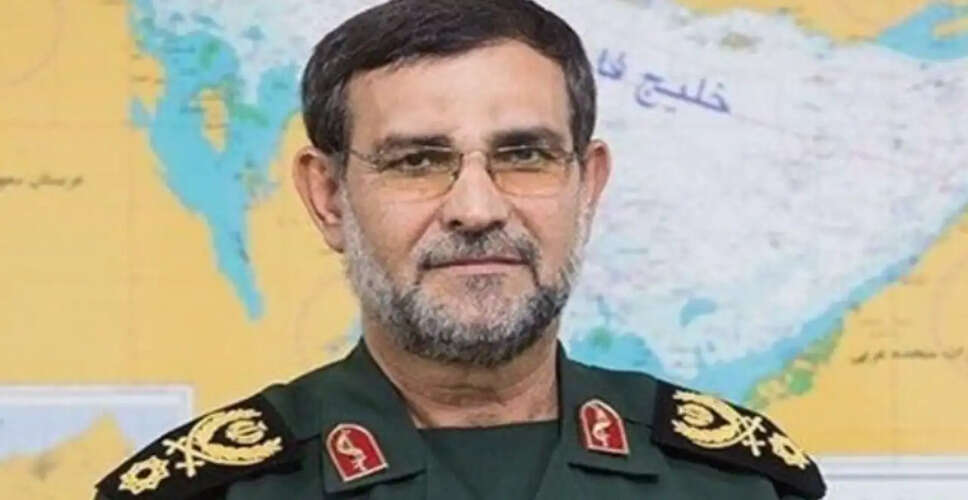
Iranian Naval Commander Reportedly Killed
According to reports from Israeli media, Alireza Tangsiri, the naval commander of the Islamic Revolutionary Guard Corps (IRGC), has been killed in a strike attributed to US-Israeli forces near Bandar Abbas. Tangsiri was a key figure in the strategic closure of the Strait of Hormuz. However, neither the Iranian government nor the Israeli military has officially confirmed this incident. Should this information be validated, Tangsiri's death would mark another significant loss in the ongoing Iran-Israel conflict, which has now persisted for four weeks. Since taking command in 2018, he had previously survived multiple assassination attempts and was pivotal in Iran's military operations in the Strait.
Iran's Control Over the Strait of Hormuz Intensifies
Iran has enacted a near-total blockade of the Strait of Hormuz, a vital maritime route connecting the Persian Gulf to the wider ocean. Vessels suspected of aiding US and Israeli military actions are being denied passage, while only a limited number of ships are permitted to transit. Typically, this strait sees about 20% of the global oil and natural gas trade. The blockade has resulted in a dramatic 95% reduction in daily energy shipments. Normally, around 120 vessels navigate this strait daily, but from March 1 to 25, analytics firm Kpler recorded merely 155 crossings, with only 99 being oil tankers or gas carriers, primarily moving eastward. On a recent Wednesday, only two ships were noted traveling westward. Iranian media sources, closely associated with the Revolutionary Guard, indicate that Tehran is establishing a fee system for passage, with some vessels reportedly paying in Chinese yuan, effectively creating a “toll booth” system.
Impact of Targeted Strikes on Iranian Leadership
Since the onset of the conflict on February 28, several high-ranking Iranian officials, including prominent Revolutionary Guards leaders, have been killed in US-Israeli operations. Despite these significant losses, Iran's governance structure has remained intact, continuing to execute its strategic plans. Established during the 1979 revolution, the Islamic Republic's power structure is designed to function through interconnected institutions rather than relying solely on individual leaders. This system, which emphasizes a collective commitment to maintaining the theocratic regime, has facilitated continuity during crises. Iran's political framework combines clerical authority with elected institutions, such as the president and parliament, which collaborate with the Revolutionary Guards in policy formulation and execution. The recent assassination of Ali Larijani, a notable advisor to the late Supreme Leader Ali Khamenei, represents a considerable blow to Iran's political landscape. Larijani was recognized for his extensive experience and diplomatic acumen, playing a vital role in managing Iran's internal and external affairs. While other experienced leaders remain, the successors to Larijani and others who have been killed may adopt a more hardline approach, potentially altering Iran's political trajectory.