
US-Iran Tensions Rise Over Control of Unfrozen Assets

Dispute Over Iranian Assets
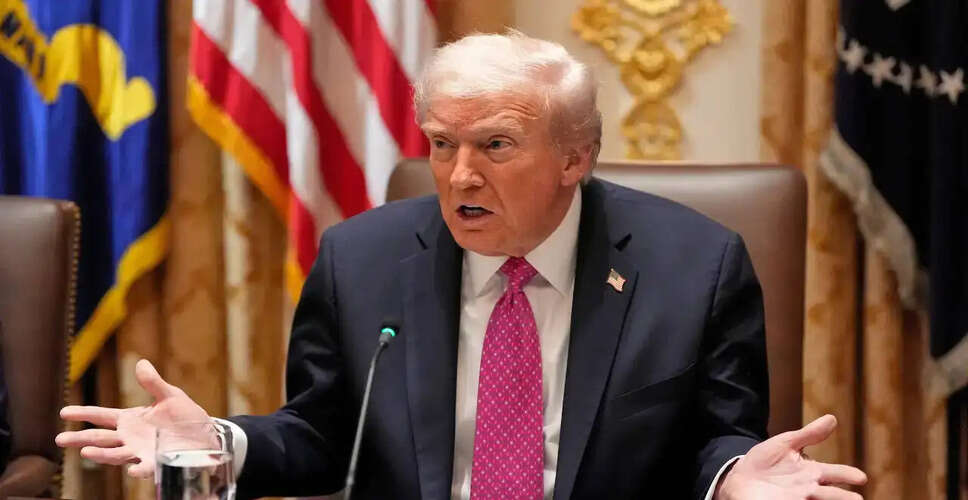
A conflict is emerging between the United States and Iran regarding a fundamental aspect of their agreement: the authority to determine the allocation of billions in unfrozen Iranian assets. President Trump addressed this matter in a recent post on Truth Social, asserting that no funds have been transferred to Iran or released by the U.S. thus far. He indicated that a portion of Iran's funds, which he claimed is "totally controlled by us," would eventually be used to purchase agricultural products from American farmers, specifically corn, wheat, and soybeans, framing this as a solution to food shortages in Iran.
RapidResponse47
2069760911854760152
Trump emphasized, "Food is desperately needed in Iran, and we will be purchasing it for them exclusively from the United States."
Iran's Response to U.S. Claims
This narrative sharply contrasts with Tehran's perspective. A report from Reuters indicated that an Iranian envoy categorically rejected the notion that Washington has any control over the funds, let alone the authority to dictate their usage. This disagreement stems from a deal reached following discussions in Switzerland, which aimed to transform a temporary agreement into a permanent peace accord. Under this arrangement, the U.S. lifted sanctions on Iran for 60 days starting Monday, facilitating the release of approximately $12 billion in frozen Iranian assets.
Vice President JD Vance stated that the U.S. and Qatar would oversee the funds once they are unfrozen, suggesting that the money could be allocated for purchasing American agricultural products, aligning with Trump's earlier statements.
Iran's Ambassador Clarifies Control
Ali Bahreini, Iran's ambassador to the United Nations in Geneva, firmly rejected Vance's assertions. He informed reporters that while discussions between the two nations had been generally positive, Iran's stance on control over its assets is unequivocal. "Iran is the only country to decide what to do with its assets, which are going to be defrozen," Bahreini stated, dismissing any claims of external influence over these decisions.
He also mentioned that two working groups would be established soon to address sanctions relief and matters related to Iran's nuclear program.
Understanding the Frozen Assets
The frozen assets primarily originate from oil revenues and central bank reserves that have been stranded overseas for years due to sanctions. Bahreini acknowledged that some technical coordination between Washington and Doha would be necessary, given that the U.S. initially froze the assets and some funds are located in Qatar. However, he asserted that this technical role does not extend to determining how the money is spent once it is released. "Certainly Iran does not allow them to have further influence on the other processes, which have been related to buying the commodities and importing them," Bahreini concluded. "That is something that Iran, and only Iran, will decide."