
US-Iran Tensions: A Pause in Airstrikes Amid Diplomatic Efforts
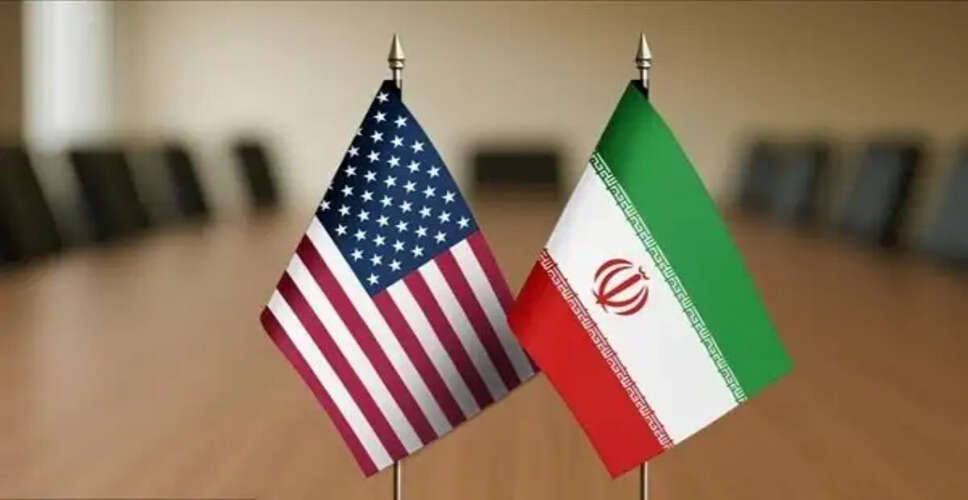

US Military Halts Airstrikes on Iran
The United States military has temporarily ceased its airstrikes against Iran after nearly two weeks of escalating attacks, as diplomatic initiatives are being pursued to prevent a full-scale war.
It remains uncertain whether the US and Iran are at a pivotal moment in their volatile conflict, which is set to reach the five-month mark on Tuesday. President Donald Trump has issued threats of further strikes while also indicating that negotiations are ongoing, dismissing concerns that rising fuel prices linked to the conflict could negatively impact Republican candidates in the upcoming midterm elections.
Complicating the situation is Israeli Prime Minister Benjamin Netanyahu's upcoming meeting with Trump in Washington. Israel, which initiated the conflict alongside the US on February 28, has been noticeably absent from the recent American military actions following Iran's effective blockade of the Strait of Hormuz, a crucial shipping route for 20% of the world's oil.
Michael Singh, managing director at the Washington Institute for Near East Policy, noted, "The Iranians are aware that the situation could escalate if Israel decides to engage in the conflict." Conversely, Israel's current non-involvement might suggest to Iran that the US is aiming to limit the scope of the conflict.
Singh, who previously served as the senior Middle East director on the National Security Council during the George W. Bush administration, expressed caution about interpreting the current lull in hostilities.
"If this pause extends over several days, it would be significant," he remarked. "However, it's difficult to determine whether this is a tactical pause or a moment for behind-the-scenes diplomatic efforts."
Ongoing Diplomatic Efforts
A regional official involved in mediation efforts indicated that active diplomacy is taking place, and the cessation of US airstrikes and Iranian retaliatory actions against neighboring countries hosting American troops is a "positive sign that aids in de-escalation efforts."
Both the US and Iran are reportedly interested in reverting to the interim ceasefire agreement, with ongoing negotiations focusing on allowing Iran to manage vessel traffic through the Strait of Hormuz with fewer restrictions. The official, who spoke on the condition of anonymity, was not authorized to disclose details.
Since the onset of the conflict, Iran has exerted control over the narrow Persian Gulf waterway by targeting tankers and freighters. Consequently, oil prices have surged, causing discontent among many Americans and potentially jeopardizing some Republican lawmakers in the upcoming elections.
Following the establishment of an interim ceasefire in June, a struggle for dominance over the strait has intensified. Iran has insisted that vessels navigate a route closer to its shores and has suggested the possibility of imposing fees. Meanwhile, ships have increasingly opted for a southern route along the coast of Oman under US oversight when Iran attacked several vessels.
The US has resumed strikes on Iran's coastal defenses to diminish Tehran's capacity to target ships in the strait. The Trump administration has broadened its targets, hitting bridges and infrastructure in southern Iran and conducting strikes deeper into the country.
Challenges Ahead
Singh remarked that these strikes seem aimed at compelling Iran to return to negotiations. He posed the question, "What messages, if any, is the Iranian regime conveying through diplomatic channels? Have those messages shifted? Are they more inclined to engage in talks?"
One of the significant challenges facing the US is the fragmented leadership within Iran, with various factions competing for influence. This concern has also been highlighted by officials from the Trump administration. Iranian leaders may fear that reaching a compromise with the US could be perceived as a sign of weakness, potentially undermining their authority.
Regardless of the circumstances, both the US and Iran require the reopening of the strait for their economic interests.
"However, they have vastly different views on the conditions and control involved," Singh explained. "Achieving a stable equilibrium on these issues is essential before a prolonged period of calm can be expected. I believe that the dual approach of negotiating through dialogue and military action will persist until we reach that balance."
Trump's Stance on Diplomacy and Military Action
Despite the current pause in hostilities, regional tensions remain elevated.
On Saturday, Yemen's Houthi rebels announced that they launched missiles and drones at Saudi Arabia in retaliation for Saudi airstrikes on the critical Red Sea city of Hodeida. The Iran-aligned rebels claim to have closed the Bab el-Mandeb Strait, which has become increasingly vital for Saudi oil exports due to the disruption of the Strait of Hormuz.
The US military is also enforcing its naval blockade of Iranian ports, having disabled a Mozambique-flagged vessel in the Gulf of Oman on Friday after it attempted to breach the blockade and ignored warnings.
Trump has continued to issue threats against Iran while emphasizing the importance of diplomacy. When asked about his exit strategy on Friday, he outlined two options.
"We can either continue our current approach and dismantle their capabilities gradually, or we could expedite the process, which is a possibility," he stated to reporters in the Oval Office. "Alternatively, we can engage in negotiations, which we are currently pursuing."
While Trump expressed skepticism about Iran's readiness to strike a deal, he also suggested that "they seem to be taking the situation more seriously as time progresses, likely for obvious reasons."
On Friday, Trump convened with top national security advisors to evaluate the situation with Iran and to determine whether to maintain the current strategy or escalate military actions, according to a US official who spoke on the condition of anonymity. No US strikes were conducted overnight in Iran after 13 consecutive nights of attacks.
Trump asserted on Friday that he was "not in a rush" to conclude matters due to the impending elections, where voters dissatisfied with rising food and fuel prices could potentially vote the Republican Party out of power in Congress.
"Despite what everyone claims about the election, I’m not in a hurry," he stated.