
US-Iran Negotiations in Islamabad: Progress and Setbacks
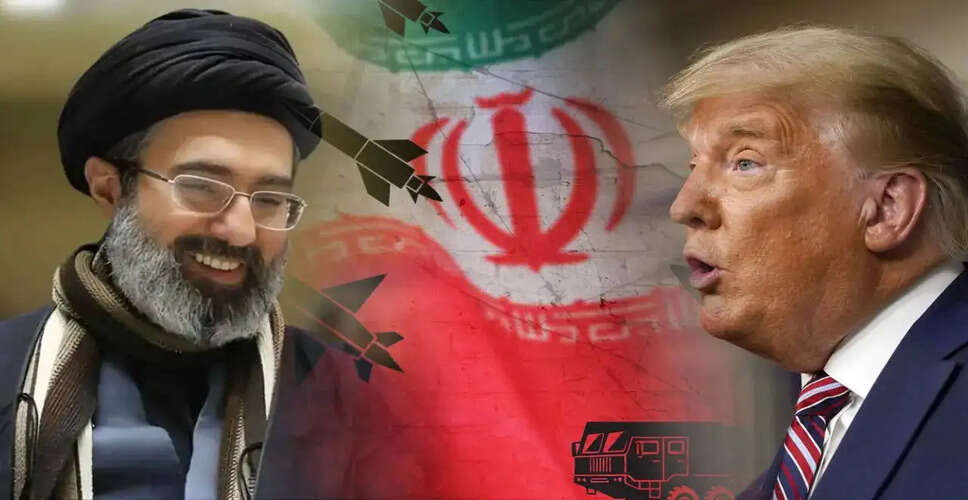

Negotiations Approach a Breakthrough
Recent discussions between the United States and Iran in Islamabad nearly reached a significant agreement but ultimately stalled due to ongoing disputes regarding Tehran's nuclear ambitions. Reports from major news outlets indicate that negotiators felt they were “80% there” in terms of a potential deal before talks faltered over unresolved issues. Central to the disagreement was the topic of uranium enrichment, with Washington advocating for a 20-year freeze, while Tehran sought a much shorter five-year suspension, a gap that proved insurmountable.
Shifting Demands in Negotiations
From Maximalist Demands To Negotiated Middle Ground
This round of negotiations highlighted a shift in the U.S. stance since Donald Trump's administration, moving from a demand for a permanent halt to Iran's nuclear activities to a framework for a long-term suspension. However, the insistence on a 20-year freeze underscores ongoing concerns in Washington regarding Iran's potential to develop nuclear weapons capabilities.
Analysts, including political scientist Ian Bremmer, suggest that a compromise could be possible if both parties approach future discussions with flexibility, potentially settling on a timeline of 12 to 15 years. However, Iranian negotiators have expressed concerns about trust, referencing past instances where diplomatic efforts were followed by military escalations.
Tense Negotiation Environment
Inside The Talks: Tense Atmosphere And Tactical Moves
The negotiations took place at the Serena Hotel in Islamabad, characterized by a highly controlled atmosphere. Delegations operated from separate areas, limiting their interactions. Phones were prohibited in the main negotiation rooms, necessitating that senior officials, including JD Vance and Iranian leaders, step outside during breaks to communicate with their governments. At times, raised voices were heard, indicating the discussions' intensity. Pakistani mediators, including Ishaq Dar, played a crucial role in maintaining order and keeping the talks on track. Despite the tensions, there were moments of optimism, with hopes briefly rising for a potential agreement.
Complex Issues Beyond Nuclear Talks
Beyond Nukes: Hormuz And Sanctions Add Complexity
While uranium enrichment was a focal point, other contentious issues complicated the negotiations. The reopening of the Strait of Hormuz, a vital global energy route, was a significant sticking point, with Iran imposing restrictions on passage while the U.S. insisted on ensuring its reopening.
Additionally, sanctions relief emerged as a critical demand from Iran, which sought broader assurances beyond the nuclear issue. Conversely, Washington focused on confining the agreement to nuclear and maritime matters. This divergence in priorities contributed to the negotiations' breakdown, as both sides aimed for fundamentally different outcomes.
Future of Diplomatic Engagement
Dialogue Continues Despite Breakdown
Even though the initial round of talks ended without a resolution, officials from both sides have indicated that discussions are ongoing. There are already talks about a potential second round of negotiations, suggesting that while a breakthrough was missed, the diplomatic channels remain open. Donald Trump has also noted that Iran expressed interest in pursuing a deal even after the talks concluded. The current situation reflects a familiar pattern in high-stakes diplomacy, where proximity to an agreement is often followed by breakdowns over core strategic differences.