
US-Iran Negotiations Conclude Without Agreement Amid Ongoing Conflict
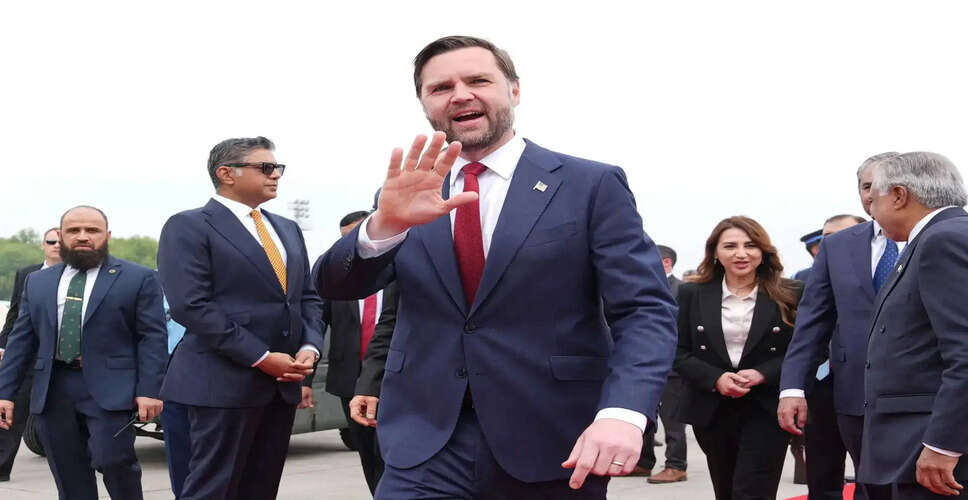

US-Iran Talks End After Extensive Discussions
On Sunday, United States Vice President JD Vance announced that the latest round of discussions with Iran has concluded after 21 hours without a consensus. These negotiations took place in Pakistan and marked the third round of direct talks, occurring shortly after a fragile ceasefire was declared amidst a conflict that has claimed thousands of lives and disrupted global markets, now entering its seventh week.
The US delegation, led by Vice President Vance, and the Iranian team, headed by Parliament Speaker Mohammad Bagher Ghalibaf, engaged in talks aimed at reinforcing the ceasefire, which is under strain due to significant disagreements and ongoing Israeli strikes against Hezbollah in Lebanon. Reports indicate that the death toll in Lebanon has exceeded 2,000.
Despite the extensive discussions, Vance expressed disappointment, stating, "The bad news is that we have not reached an agreement. I think that is bad news for Iran much more than it's bad news for the USA. So, we go back to the US having not come to an agreement...they have chosen not to accept our terms."
TimesNow
2043144012219945298
Vance acknowledged the efforts of the Pakistani mediators, stating, "Whatever shortcomings in the negotiation, it wasn't because of the Pakistani who did an amazing job and really tried to help us and Iranians bridge the gap and get to a deal." He emphasized the need for Iran to commit to not pursuing nuclear weapons, which remains a primary objective for the US administration.
President Donald Trump downplayed the significance of the ceasefire negotiations, asserting, "regardless of what happens we win." He added, "Let’s see what happens – maybe they make a deal maybe they don’t... It doesn’t matter. From the standpoint of America, we win," while noting that US military operations were ongoing in the Strait of Hormuz, which remains largely inaccessible to oil and natural gas freighters.