
US-Iran Conflict: Ceasefire After 40 Days of Bombing
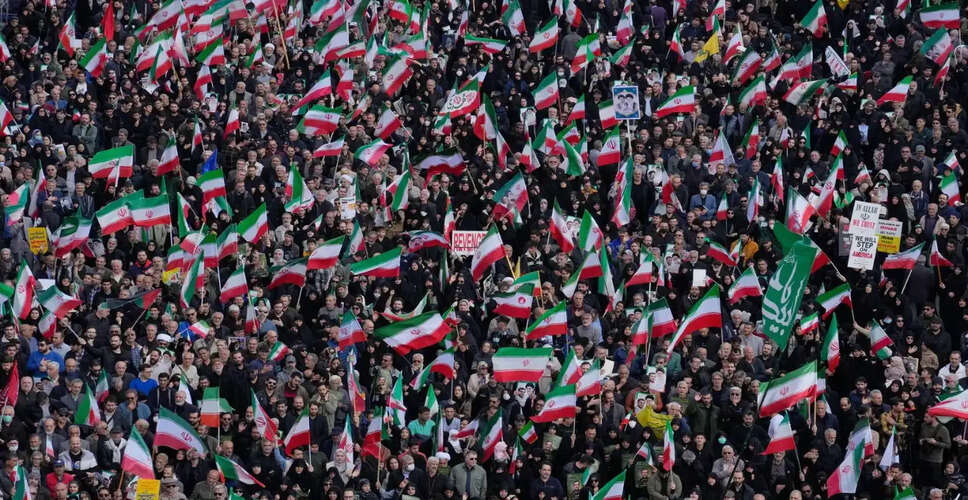

Ceasefire Agreement Following Intense Bombing
After a prolonged 40-day bombing campaign against Iran, the United States has finally reached a fragile two-week ceasefire, contingent on specific terms. President Donald Trump proclaimed a "total and complete victory," yet the reality on the ground suggests otherwise. Although the coordinated military efforts by the US and Israel succeeded in eliminating key Iranian leaders, including Supreme Leader Ayatollah Ali Khamenei, the anticipated regime change did not materialize. In response, Iran retaliated by targeting US military installations in the Gulf and disrupting shipping through the Strait of Hormuz, significantly affecting global fuel supplies. Despite initial successes from the US attacks on February 28, the objectives set forth were not achieved, as Iran continued to inflict damage on US allies in the region through drone strikes. Iran's combat strategy proved to be more cost-effective compared to the extensive war expenditures incurred by the US during this period.
Unmet Objectives After 40 Days of Conflict
What US Could Not Achieve in 40 Days of War
Trump's efforts to weaken the Iranian regime fell short, as the core issues that ignited the conflict—such as Iran's nuclear ambitions, sanctions, and regional security—remain unresolved. Despite weeks of targeted bombardments on military sites and energy infrastructure, the US campaign failed to deliver a decisive impact. Iran's 10-point negotiation plan notably includes demands regarding uranium enrichment, a critical issue for the Islamic Republic. This demand has sparked controversy, particularly as the phrase "acceptance of enrichment" appears in the Farsi version of Iran's proposal but is missing from the English translation, raising questions about the clarity of the ceasefire terms. Throughout the conflict, Iran's military capabilities, especially its missile and drone systems, remained intact, allowing for continued retaliatory actions. A significant incident during this period involved the downing of a US fighter jet.
Strategic Goals Not Achieved
Strategic Objectives Fell Short
One of the primary goals for Washington was to secure the Strait of Hormuz, a crucial passage for global oil transport. However, Iran's actions during the conflict disrupted shipping routes, causing instability in energy markets and leaving commercial vessels stranded. The eventual reopening of this vital route was not a result of military success but rather part of the ceasefire negotiations, underscoring the importance of diplomacy over force.
Wider Regional Implications
Conflict Expanded Across the Region
Instead of containing the situation, the conflict escalated into a broader regional crisis. Hostilities extended beyond Iran, affecting US bases and allied interests throughout the Middle East. The tensions involving Israel and Iran-backed factions further complicated the landscape. Even with the ceasefire in place, several potential flashpoints remain active, suggesting that the cessation of hostilities may only be temporary.
Significant Costs with Limited Outcomes
High Costs, Limited Gains
The conflict has incurred substantial costs for all parties involved. Reports indicate that the United States faced significant financial burdens alongside military and logistical challenges. Meanwhile, the humanitarian impact in affected regions has raised international alarm. Despite these expenditures, the US has not achieved a significant shift in Iran's strategic stance or compelled major concessions from Tehran.
Shift Towards Diplomacy
Return to Diplomacy
Ultimately, the cessation of active hostilities has been facilitated through diplomatic channels rather than military victories. The ceasefire framework, reportedly based on proposals from backchannel discussions, has paved the way for further negotiations, with mediators playing a crucial role in resolving differences. Currently, both sides seem to be reassessing their positions, while still maintaining the capacity to resume conflict if talks falter. With the ceasefire established, the focus now shifts to diplomatic efforts. The future of this pause—whether it leads to a lasting agreement or merely postpones another confrontation—will depend on the progress of negotiations in the days ahead.