
US Intelligence Reveals Iran's Control Over Strait of Hormuz

Iran's Strategic Capabilities
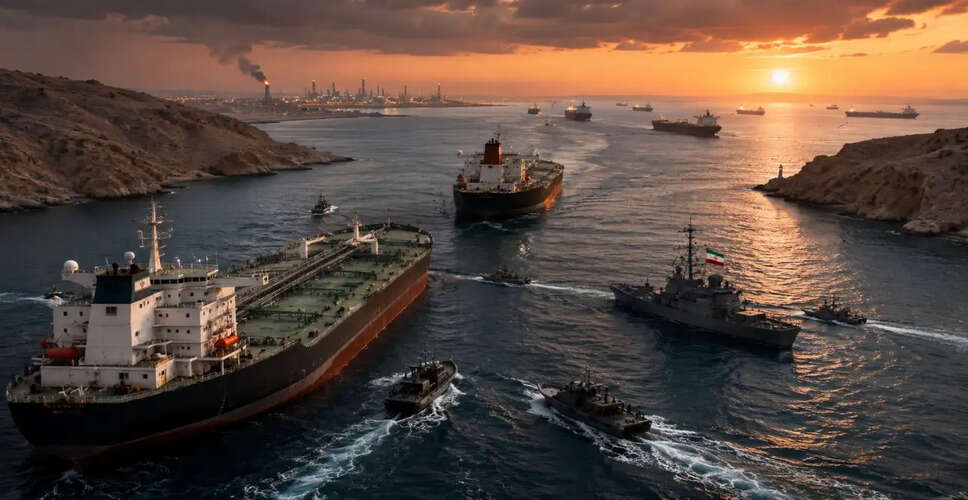
A recent assessment from US intelligence indicates that Iran possesses the capability to effectively close the vital Strait of Hormuz whenever it chooses. This information, reported by a major news outlet, highlights concerns that Iran's potential to disrupt global trade and energy supplies through this narrow passage remains strong, even with a framework agreement anticipated to be finalized between the US and Iran soon.
The report suggests that Iran has enhanced its leverage following recent conflicts, gaining the ability to threaten crucial Gulf energy infrastructure and shipping lanes. A source familiar with the intelligence findings remarked, "We have effectively given Iran control over the strait, a power more formidable than any nuclear weapon." This underscores the necessity for the US to engage in extensive negotiations with Iran to ensure the full reopening of the Strait of Hormuz, emphasizing Tehran's ongoing influence over this critical maritime route.
The Strait of Hormuz is essential for global oil and gas transportation, with a considerable portion of the world's energy supplies traversing it daily.
Details of the US-Iran Agreement
What The US-Iran Deal Says
Regarding the proposed agreement, US Vice President JD Vance stated that the focus is on preventing Iran from developing nuclear weapons and ensuring the safety of navigation through the Strait of Hormuz. He outlined the key points of the deal: Iran is prohibited from acquiring nuclear weapons, the Strait of Hormuz must remain open, and there are various benefits for Iran contingent on its compliance. If Iran fails to adhere to the agreement, it will not receive any benefits.
According to reports, uncertainty about the agreement's specifics and ongoing security concerns may continue to impact shipping traffic through the Strait for an extended period. Meanwhile, US President Donald Trump has expressed intentions to publicly disclose the agreement soon, stating, "I would prefer to have a formal setting first, but I have no objections. It's an excellent document." During a meeting with UAE President Mohamed bin Zayed Al Nahyan at the G7 summit in France, Trump reiterated the agreement's core promise: "It guarantees that Iran will never possess a nuclear weapon." Although Trump signed the agreement electronically on Sunday, the complete text has yet to be made available to the public.