
US Intelligence Reports Significant Destruction of Iran's Missile Arsenal
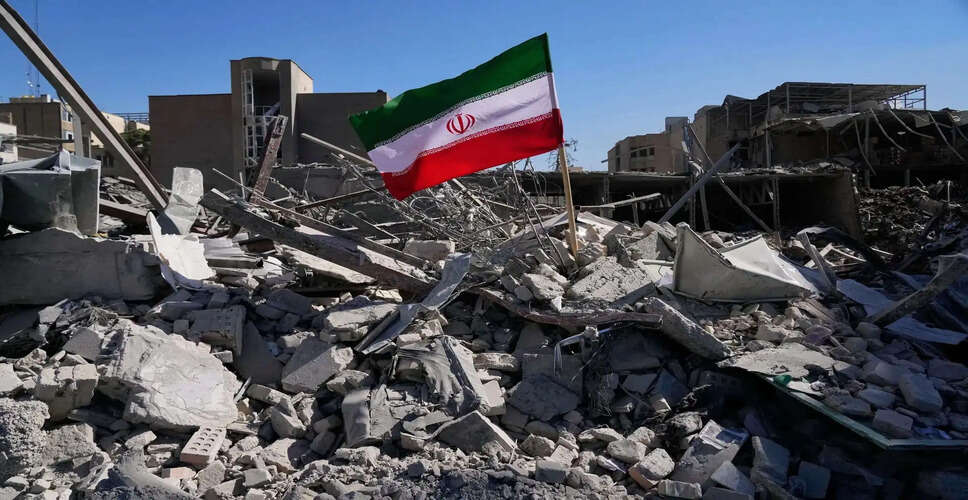
Overview of Iran's Missile Capabilities
According to a report from a news agency, the United States has confirmed the destruction of approximately one-third of Iran's missile stockpile as the ongoing conflict approaches its one-month mark. Sources familiar with US intelligence indicated that the status of another third of these missiles remains uncertain, with many likely damaged, destroyed, or hidden within underground facilities. This assessment is derived from classified intelligence, and the sources requested anonymity.
Additionally, it is reported that a similar situation exists regarding Iran's drone capabilities, with about one-third confirmed as destroyed. Despite the losses, Iran is believed to maintain a considerable arsenal and may be able to recover some of the damaged or buried weaponry following the conflict.
This assessment contradicts recent statements made by US President Donald Trump, who claimed that Iran has 'very few rockets left.' Trump emphasized the risks associated with even a small percentage of missiles remaining operational, stating, '1% is unacceptable, because 1% is a missile going into the hull of a ship that cost a billion dollars.'
A Pentagon representative noted that Iranian missile and drone assaults have decreased by approximately 90% since the conflict began. Furthermore, US Central Command has reportedly damaged or destroyed over 66% of Iran's missile, drone, and naval production facilities.
The US and Israel initiated a coordinated attack on Iran on February 28, which escalated the conflict throughout the Gulf region, resulting in the death of Iran's Supreme Leader Ayatollah Ali Khamenei. This military action followed a period of heightened pressure from President Trump on Tehran to negotiate a new nuclear agreement.
The ongoing conflict has severely impacted energy supply chains, particularly in the Strait of Hormuz. On Friday, Israel targeted Iran's nuclear sites shortly after threatening to intensify its military operations against Tehran. In retaliation, Iran attacked a base in Saudi Arabia, injuring US personnel and damaging aircraft.
The Human Cost of the US-Israel-Iran Conflict
Authorities have reported that over 1,100 individuals have lost their lives in Lebanon, while more than 1,900 fatalities have occurred in Iran since the conflict's onset on February 28. Additionally, at least 13 American service members have died, along with casualties in the West Bank and Gulf Arab states. In Iraq, where Iranian-backed militia groups have become involved, 80 security personnel have reportedly been killed.