
US Imposes New Sanctions on Entities Linked to Iran's Shadow Banking

New Sanctions Targeting Iran's Financial Networks
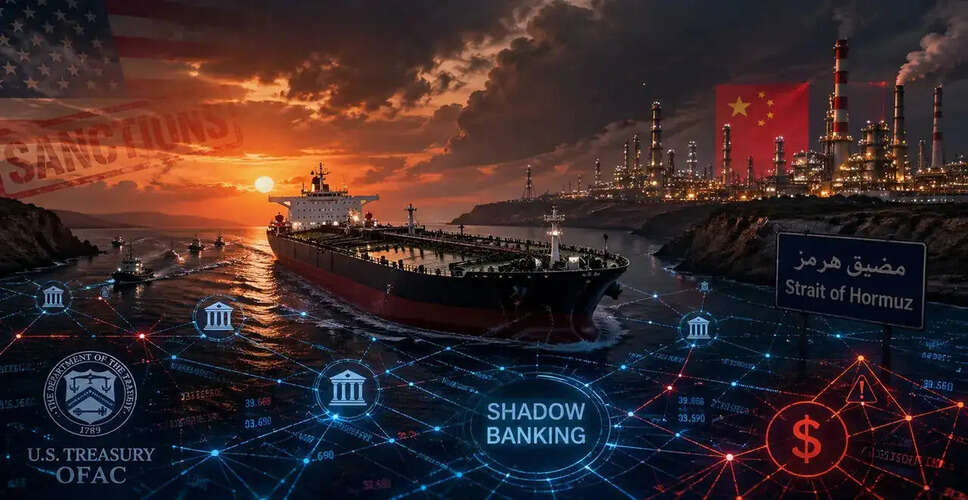
Washington DC: On Tuesday, April 28, the United States announced new sanctions against 35 individuals and entities involved in Iran's shadow banking operations. The US government has issued warnings to banks that engage with Chinese 'teapot' refineries, which are known to import Iranian oil, allegedly paying fees to Iran for shipments passing through the Strait of Hormuz. The US Treasury Department released a statement highlighting that these sanctions are part of their Economic Fury initiative.
According to the Treasury, "Today, as part of Economic Fury, Treasury’s Office of Foreign Assets Control designated 35 entities and individuals that oversee Iran’s shadow banking architecture and facilitate the movement of the equivalent of tens of billions of dollars." The Treasury claims these networks enable Iran's military, including the Islamic Revolutionary Guard Corps, to access the global financial system for illicit oil sales, procure sensitive missile components, and fund terrorist groups.
USTreasury
2049211130711572879
The sanctions specifically target Chinese teapot refineries, primarily located in Shandong province, for their dealings with Iran. The Treasury also emphasized the risks associated with using US dollars for transactions aimed at acquiring American goods. They warned financial institutions to be aware of the sanctions risks linked to these independent refineries that import Iranian oil, which ultimately supports the Iranian regime and its military initiatives. The Treasury stated, "Financial institutions should be on notice that Treasury will leverage its full range of tools and authorities to hold accountable financial institutions that facilitate these transactions."
In response, China has expressed its opposition to what it deems 'illegal' unilateral sanctions, as reported by various news outlets. The primary goal of these sanctions is to disrupt Iran's ability to receive payments for its oil and other exported commodities.
Additionally, tensions remain high between the US and Iran as they struggle to resolve a two-month standoff following President Trump's rejection of a proposal from Iran. This proposal, presented by Iran’s foreign minister Abbas Araghchi during a recent trip to Oman and Pakistan, included three conditions for reopening the Strait of Hormuz. Iran requested the US to lift its blockade on the country and its ports and to cease military actions in the Middle East. Furthermore, Tehran suggested that discussions regarding its nuclear program be postponed to a later stage in diplomatic negotiations. However, US officials have indicated skepticism regarding Iran's offer, according to reports.