
US House Takes a Stand: Resolution to Limit Trump's Military Actions Against Iran
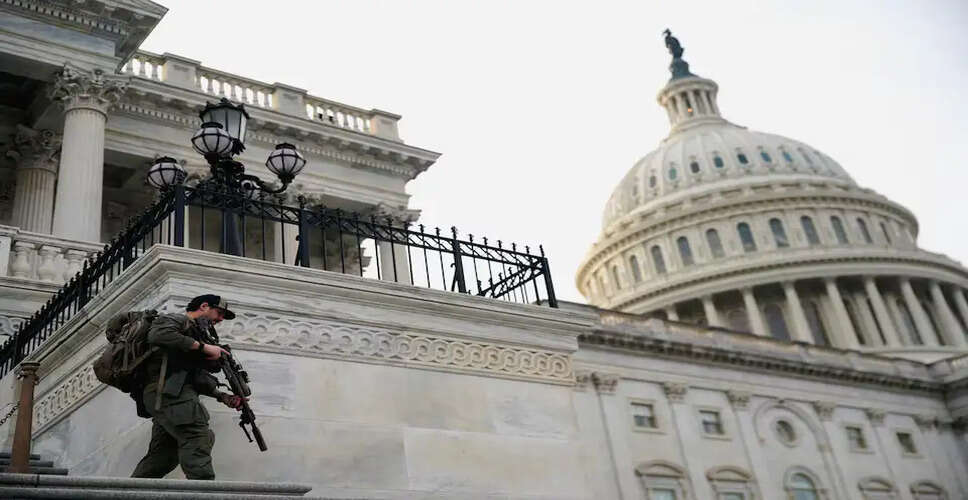

House Resolution Signals Growing Republican Concern
Washington: On Wednesday, the Republican-majority US House of Representatives passed a resolution aimed at restricting President Donald Trump's military engagement in Iran, highlighting a rising concern among GOP members regarding the ongoing conflict that has lasted three months. The resolution was approved with a vote of 215 to 208, with four Republicans joining Democrats in support of the war powers measure, which mandates the withdrawal of US troops from Iran unless Congress formally declares war or grants military authorization. This vote represents another challenge for Trump in Congress, despite his party holding narrow majorities in both chambers.
Currently, the resolution serves more as a symbolic gesture, as it requires approval from the Senate to take effect, and there are ongoing discussions about the constitutionality of such war powers resolutions even if they gain Congressional approval.
The vote underscores a growing discomfort among certain Republicans regarding Trump's management of the conflict and signifies a rare bipartisan initiative to limit presidential military authority as the war extends into its fourth month. Previous attempts to pass similar resolutions had failed in the House, often by diminishing margins, and Republican leaders had previously delayed this vote when it appeared likely to succeed. Trump criticized the vote as unpatriotic, stating it occurred during crucial negotiations to conclude the conflict with Iran. He expressed disappointment on social media, suggesting that the Republicans who sided with Democrats should feel ashamed.
In a related development, the Senate had previously advanced a comparable resolution last month, following seven unsuccessful attempts. However, no further votes on the Senate's version have been scheduled. The four Republican representatives who supported the war powers resolution included Tom Barrett from Michigan, Warren Davidson from Ohio, Brian Fitzpatrick from Pennsylvania, and Thomas Massie from Kentucky, with no Democrats opposing the measure. Additionally, seven House members abstained from voting. Recently, Trump has encountered some resistance from Congressional Republicans after a prolonged period of minimal pushback against his policies.
In another matter on Wednesday, the House also passed a procedural motion that sets the stage for a vote on the Ukraine Support Act, which aims to provide security assistance to Ukraine amid its struggle against a Russian invasion. This act was brought to the floor following a petition that garnered 218 signatures last month. Additionally, there has been a backlash among Republicans against Trump's proposal to establish a fund aimed at compensating his political allies who claim to have faced government mistreatment.