
US Greenlights Major Arms Sale to Israel Amid Rising Tensions with Iran
Significant Military Deal Approved
The US State Department has announced its approval for a potential Foreign Military Sale to Israel, which includes a substantial order of munitions and support services, specifically 12,000 aerial bombs.
This military transaction is valued at approximately $151.8 million, according to the department's official statement.
Israel's request encompasses the acquisition of 12,000 BLU-110A/B general-purpose bomb bodies, as reported by a news agency citing the State Department.
Secretary of State Marco Rubio has indicated that an urgent situation necessitates this immediate sale to Israel, asserting that it aligns with the national security interests of the United States, thus bypassing the Congressional review process mandated by the Arms Export Control Act.
The proposed arms package aims to enhance Israel's ability to address both current and future threats, bolster its national defense, and act as a deterrent against regional dangers.
Included in the deal are engineering, logistics, and technical support services from the US government and contractors, along with other logistical and program support elements.
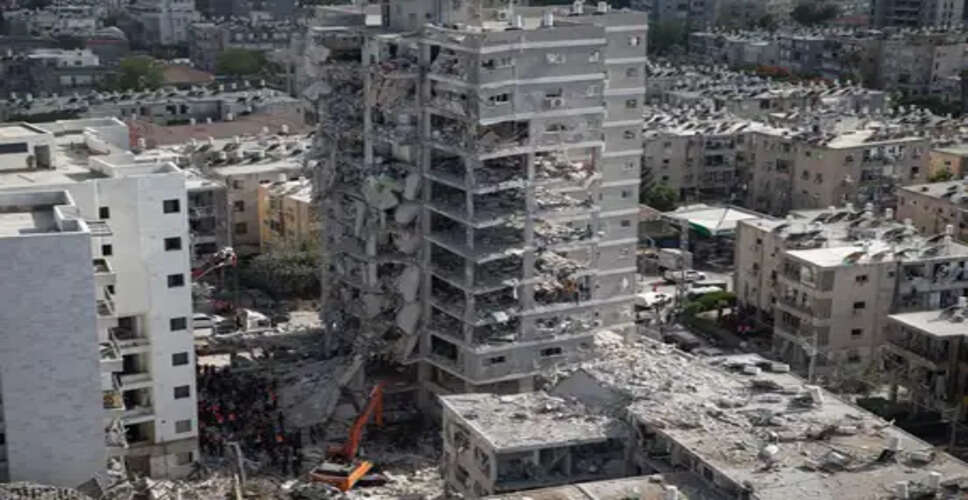
Tensions have escalated significantly following a series of attacks on Iran on February 28, which resulted in the death of Iran's Supreme Leader Ali Khamenei, several high-ranking military officials, and numerous civilians. In retaliation, Iran has launched missile and drone strikes targeting both Israel and US interests in the region.
As the conflict intensifies, now in its eighth day, Israel has continued its offensive operations, with reports of explosions occurring at one of Tehran's primary commercial airports.
What began as isolated aerial confrontations has evolved into a wider conflict, with drone assaults being reported throughout the Gulf area.
US President Donald Trump has taken a firm stance on the situation, declaring that there will be 'no deal' with Iran unless it agrees to what he terms 'unconditional surrender'.
He has also suggested that following such a surrender, Iran should consider appointing a new leadership that would be acceptable to the US administration.