
US Freezes $130 Million Crypto Wallet Linked to Iran's IRGC

Significant Action Against Iran's Financial Network
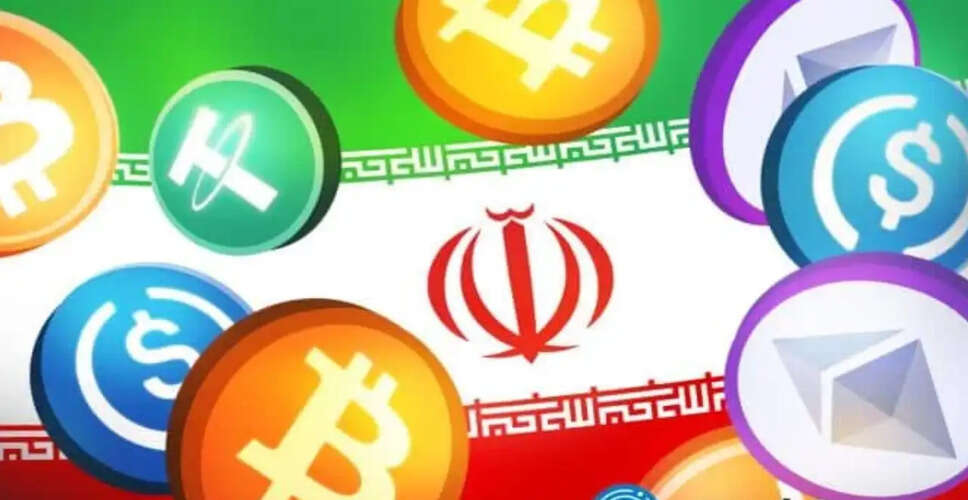
The U.S. government has taken a major step by freezing a cryptocurrency wallet that holds approximately $130 million, which officials claim is associated with Iran’s Islamic Revolutionary Guard Corps (IRGC). This action is part of Operation Economic Fury, a comprehensive initiative aimed at disrupting Iran's financial operations involving cryptocurrencies, allowing them to bypass traditional banking systems.
This enforcement action follows recent U.S. military strikes on Iranian coastal sites and the introduction of new sanctions targeting individuals and entities linked to Iran’s Central Bank and the IRGC Qods Force. The IRGC, recognized as one of Iran's most influential military bodies, has been designated by the U.S. as a Foreign Terrorist Organization due to its support for regional militant groups like Hezbollah.
The term 'IRGC crypto wallet' refers to a cryptocurrency address that is believed to be controlled or associated with the IRGC. Unlike physical cash, crypto wallets store digital keys that enable users to access and transfer cryptocurrencies.
Blockchain analytics firm Elliptic has identified thousands of cryptocurrency wallet addresses connected to the IRGC. Analysts suggest that the organization utilizes digital currencies such as Bitcoin and Tether (USDT) to facilitate transactions outside the conventional international banking framework, complicating sanctions enforcement.
The wallet that was frozen predominantly contained Tether (USDT) tokens. Investigators leveraged Tether’s smart contract capabilities to restrict access to the funds on the Tron blockchain, where a significant portion of USDT is issued. This freeze effectively barred the wallet holder from transferring assets without impacting the broader Tron network.
Officials believe that the IRGC transfers cryptocurrencies through a mix of foreign trading platforms and Iranian exchanges. Nobitex, one of Iran's largest cryptocurrency platforms, has come under scrutiny as it may play a role in a financial system operating outside global banking norms.
This freeze is noteworthy as it illustrates a growing trend among governments to view cryptocurrencies as a critical area for sanctions enforcement. Authorities are now targeting blockchain-based assets in addition to traditional financial institutions, shipping companies, and state entities, relying on cooperation from issuers like Tether to immobilize funds.
Experts indicate that this move represents a shift towards exerting financial pressure through digital asset regulations, even amidst escalating military tensions between Washington and Tehran. The future of this conflict may hinge on the imposition of further sanctions, Iran's attempts to transfer assets via new wallet networks, and the evolving dynamics of the Iran nuclear negotiations. Market observers are also likely to monitor statements from U.S. and Iranian officials that could impact both sanctions strategies and the wider cryptocurrency landscape.