
US Forces Engage Iranian Drones Near Strait of Hormuz

US Military Actions Against Iranian Threats
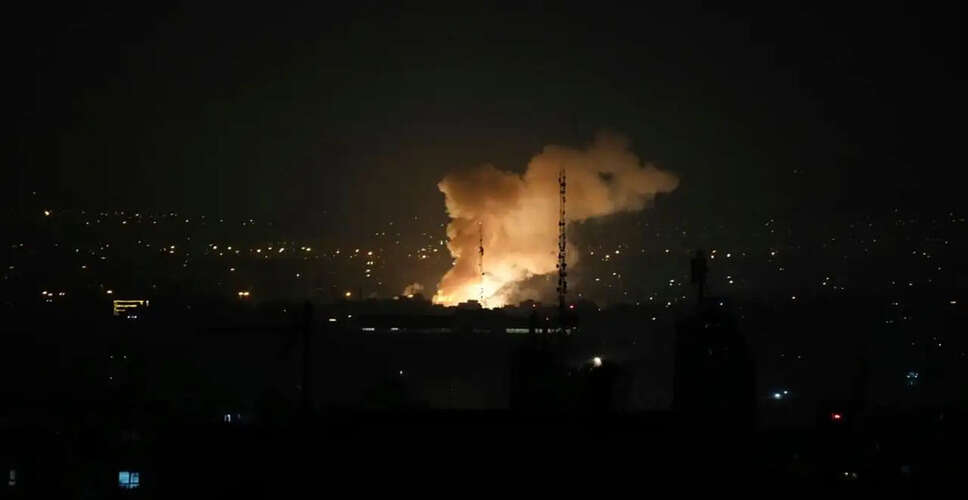
US military forces targeted Iranian coastal radar installations on Qeshm Island and Goruk after intercepting several Iranian drones aimed at the Strait of Hormuz, as reported by US Central Command (CENTCOM). In a statement shared on social media, CENTCOM confirmed that American troops successfully shot down four Iranian one-way attack drones that were en route to the vital waterway. The command stated, "Moments ago, CENTCOM forces shot down four Iranian one-way attack drones that were launched toward the Strait of Hormuz." According to CENTCOM, these drones represented "an immediate threat to regional maritime traffic." Following the interceptions, US forces executed strikes on Iranian radar facilities. The statement further noted, "US forces subsequently struck Iranian coastal surveillance radar sites in Goruk and on Qeshm Island to defend against further attacks." CENTCOM reiterated that American forces are prepared to counter any threats in the area, emphasizing, "American forces remain vigilant and postured to respond to unjustified Iranian aggression in self-defense."
A US official informed media outlets that Iran had launched multiple drones targeting the Strait of Hormuz, with at least four being intercepted by American forces. US officials suspect that these one-way attack drones may have been aimed at commercial vessels navigating the regional waters or US military assets operating in proximity. The Strait of Hormuz is a crucial maritime chokepoint, linking the oil-rich Persian Gulf to global shipping lanes, with around 20% of the world's oil production passing through it prior to the ongoing conflict. Iran controls the northern side of this strategic strait.
This incident follows a recent drone attack on Kuwait's international airport, which resulted in one fatality and over 60 injuries, according to Kuwaiti officials. The country's defense ministry condemned the attack as "criminal Iranian aggression," while the foreign ministry reported damage to diplomatic missions. Iran's Islamic Revolutionary Guard Corps (IRGC) denied involvement in the airport incident, attributing the damage to a malfunction of a US missile interceptor. CENTCOM dismissed this claim, asserting that Iran executed a "deliberate, calculated and unjustified attack." The IRGC had previously indicated that it targeted US bases in the Gulf in retaliation for American strikes on an Iranian oil tanker and Qeshm Island. This latest exchange signifies a further escalation of tensions in the Strait of Hormuz, a vital corridor for global energy supplies and international shipping.