
U.S. Court Ruling Preserves Temporary Protected Status for Ethiopian Nationals
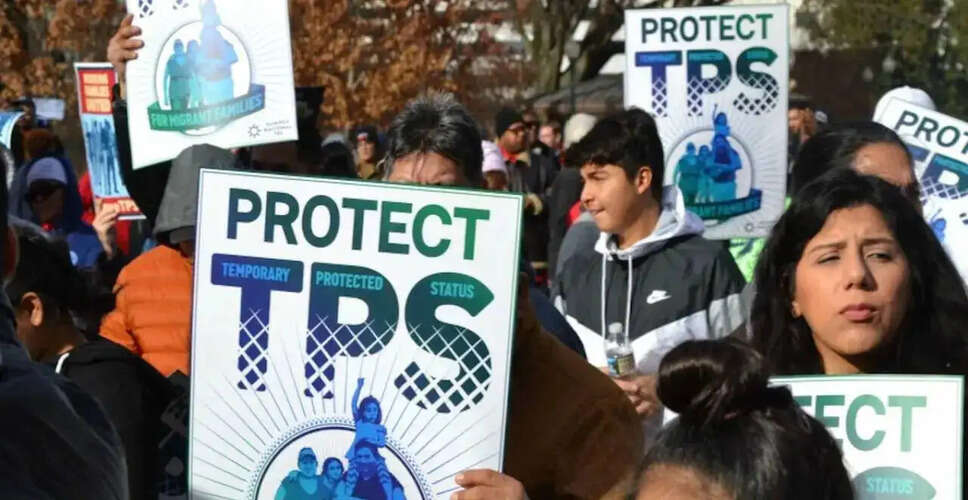

Court Decision on TPS for Ethiopians
On Wednesday, U.S. District Judge Brian Murphy ruled to maintain Temporary Protected Status (TPS) for numerous Ethiopian nationals while a legal dispute unfolds. Judge Murphy, appointed by President Biden, determined that the Department of Homeland Security (DHS) likely overlooked the legislative guidelines set by Congress when it attempted to revoke Ethiopia's TPS designation. He emphasized that the authority of the President does not override that of Congress, stating, "Presidential whims do not and cannot supplant agencies' statutory obligations."
Furthermore, Murphy rejected the administration's assertion that its TPS decisions were immune from judicial review, affirming his jurisdiction over the matter. He criticized the DHS for not consulting relevant agencies and found their rationale for terminating Ethiopia's TPS designation unconvincing. The judge expressed skepticism regarding the claim that conditions in Ethiopia had improved sufficiently to justify the removal from the program, noting, "The evidence, and common sense, suggests otherwise."
Understanding Temporary Protected Status
Established by Congress in 1990, Temporary Protected Status protects foreign nationals from deportation when returning to their home country poses a risk due to armed conflict, natural disasters, or significant instability. It also allows recipients to obtain work authorization. Ethiopia was included in the TPS program in 2022 amid escalating conflict in the Tigray region. During Trump's second term, Ethiopia was among 17 countries with nationals enrolled in TPS.
Efforts to Terminate TPS
The Trump administration made dismantling TPS a key aspect of its immigration policy. In February, the DHS announced the termination of Ethiopia's TPS designation, part of a broader initiative to reduce protections for many countries in the program. The administration argued that conditions in these nations had improved enough to warrant their removal from TPS.
The DHS responded critically to Wednesday's ruling, labeling Judge Murphy a "radical, Biden-appointed" judicial activist. A spokesperson stated, "Temporary means temporary," contending that the armed conflict in Ethiopia had diminished to the extent that it no longer met the legal criteria for TPS inclusion.
Ongoing Legal Challenges
The case concerning Ethiopia is part of a larger legal battle. The Supreme Court is scheduled to hear arguments later this month regarding separate challenges to the administration's decisions to end TPS for Haiti and Syria, which could have broader implications for many individuals and the future of the TPS program.
Impact on Ethiopian TPS Holders
The lawsuit was initiated by several Ethiopian TPS holders in collaboration with African Communities Together, an immigrant advocacy group. For those directly impacted, the ruling provided temporary relief. Amaha Kassa, the executive director of the organization, expressed, "We are celebrating alongside over 5,000 of our neighbors who can finally exhale and get back to their lives. This is not the end of our fight. It is just the beginning of a relentless struggle to save TPS, to protect millions of immigrants, and restore justice in our immigration system."