
US Considers Troop Deployment Amid Rising Tensions in the Middle East
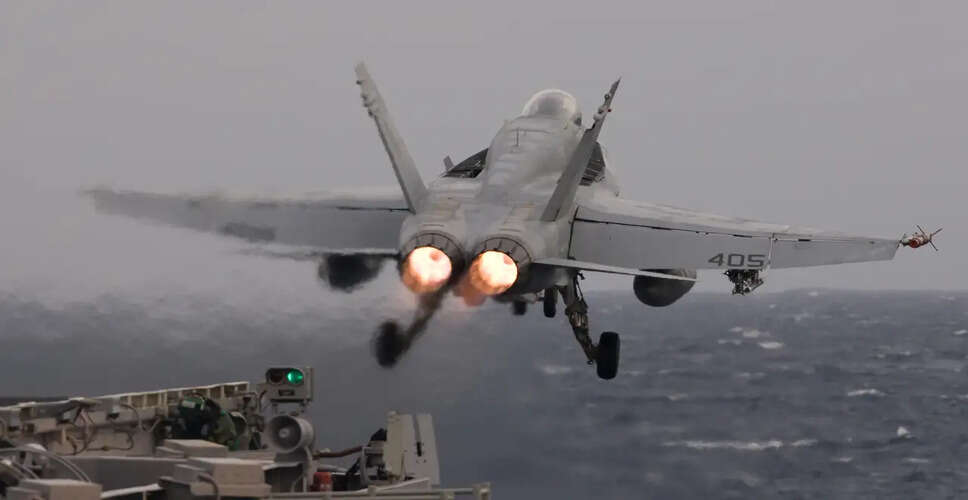
US Military Readies for Potential Action
The United States is contemplating the deployment of approximately 3,000 soldiers from the renowned 82nd Airborne Division to the Middle East due to escalating tensions surrounding Iran's influence over the Strait of Hormuz. Reports from various news outlets indicate that a formal order to send a brigade combat team could be forthcoming, although no definitive decision has been reached regarding ground troop involvement in Iran.
Stationed at Fort Bragg in North Carolina, the 82nd Airborne Division is recognized as one of the US military's most agile response units. This division is capable of being deployed globally within 18 hours and comprises light infantry trained for parachute operations, rapid raids, and securing critical locations like airfields. The division's Immediate Response Force, which includes about 3,000 soldiers, is currently under consideration for potential missions in the area.
Senior military leaders are framing the ongoing discussions as contingency planning. One potential scenario involves taking control of Kharg Island, Iran's main oil export facility, to exert pressure on Tehran amid disruptions in global energy supplies caused by the closure of the Strait of Hormuz since late February.
If authorized, operations could commence with around 2,500 Marines from the 31st Marine Expeditionary Unit, who are better suited for amphibious assaults and rapid infrastructure restoration. Given that the island's airfield has reportedly sustained damage from recent US strikes, Marine combat engineers would likely be responsible for its repair before additional forces are deployed.
Once operational, the airfield could function as a base for Air Force transport aircraft, ensuring a steady supply line and facilitating the movement of reinforcements. This would enable the deployment of 82nd Airborne paratroopers, either to support Marine units or to take charge of longer-term operations.
While airborne units can execute swift nighttime deployments, their lack of heavy armor may pose challenges if Iranian forces retaliate. Conversely, Marines excel in initial assaults but may struggle to maintain prolonged engagements without reinforcements. The division's command element is also on standby to oversee mission planning in what officials describe as an increasingly intricate battlefield. Recent training exercises have been canceled to maintain readiness for potential deployment orders.
The US has already initiated the movement of additional forces to the region, including Marine Expeditionary Units, aircraft, and naval assets, as the urgency to reopen this crucial waterway and stabilize global energy markets intensifies.