
US Considers Increased Pressure on Iran Amid Stalled Negotiations
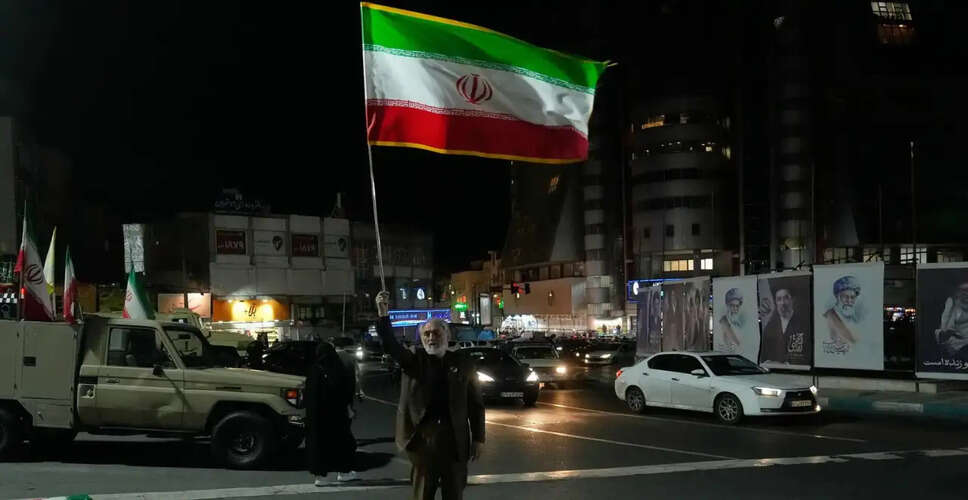

US-Iran Negotiations at a Standstill
In light of the ongoing tensions, US Secretary of State Marco Rubio indicated that if an agreement is not reached with Iran, Washington may escalate its pressure on Tehran. He emphasized that the ultimate decision lies with President Donald Trump. Since the fragile ceasefire was established in early April, there has been minimal advancement in discussions.
Rubio stated in a Fox News interview, "That’s POTUS’ decision to make… the level of sanctions on Iran is extraordinary, the level of pressure on Iran is extraordinary, and I think more can be brought to bear."
Reports suggest that Iran has presented a new proposal to the US regarding the reopening of the Strait of Hormuz, aiming to resolve the ongoing conflict. This proposal includes delaying nuclear negotiations, as per Axios, which cited a US official and two knowledgeable sources.
When questioned about this proposal, Rubio remarked that Iran's perspective on the strategic waterway differs significantly from that of the global community. He explained, "What they mean by opening the straits is, yes, the straits are open, as long as you coordinate with Iran, get our permission, or we’ll blow you up and you pay us."
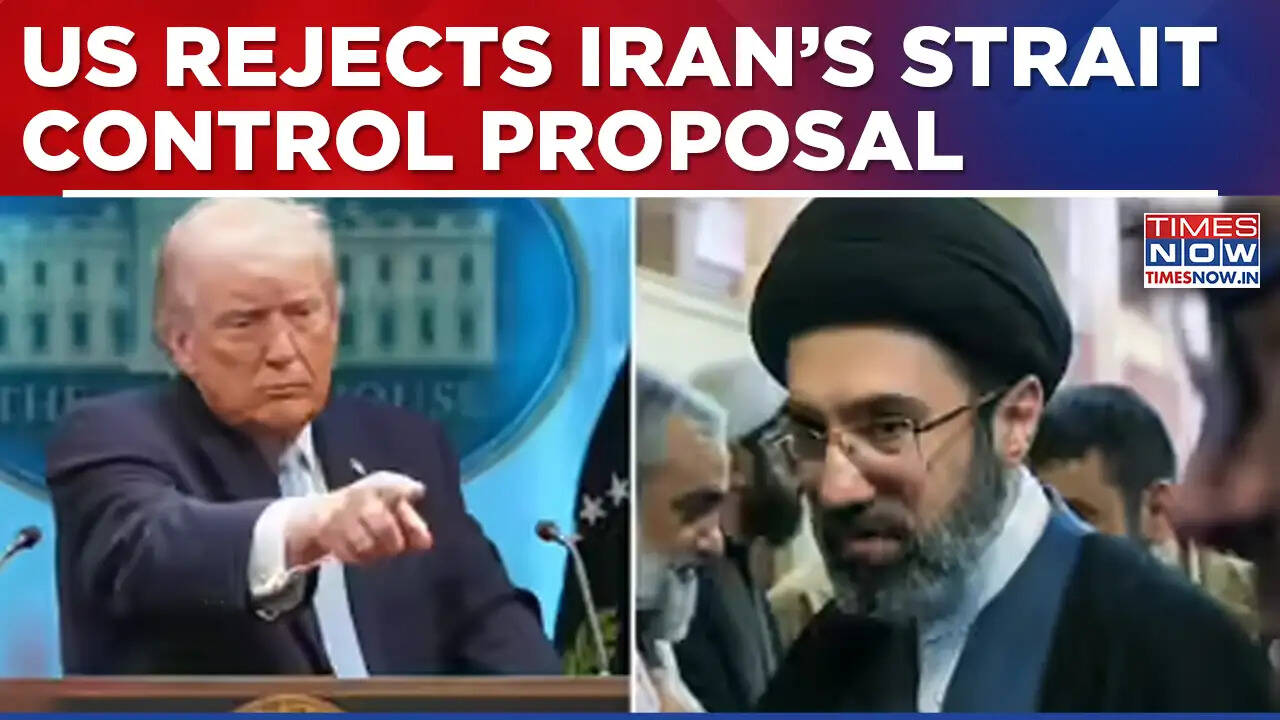
He further asserted, "That’s not opening the straits. Those are international waterways. They cannot normalize, nor can we tolerate them trying to normalize, a system in which the Iranians decide who gets to use an international waterway and how much you have to pay them to use it."
Regarding the proposal to postpone discussions on Iran's nuclear program, Rubio expressed his concerns, stating, "There’s no doubt in my mind that at some point in the future if this radical clerical regime remains in charge in Iran, they will decide they want a nuclear weapon." He reiterated that this fundamental issue must be addressed, as it remains central to the negotiations.
The initial round of talks between the US and Iran, which involved US Vice President JD Vance and Iran’s Parliament Speaker Mohammad Bagher Ghalibaf, concluded without a resolution, primarily due to the nuclear issue.