
US Colonel Critiques Pakistan's Mediation Offer in Iran Conflict
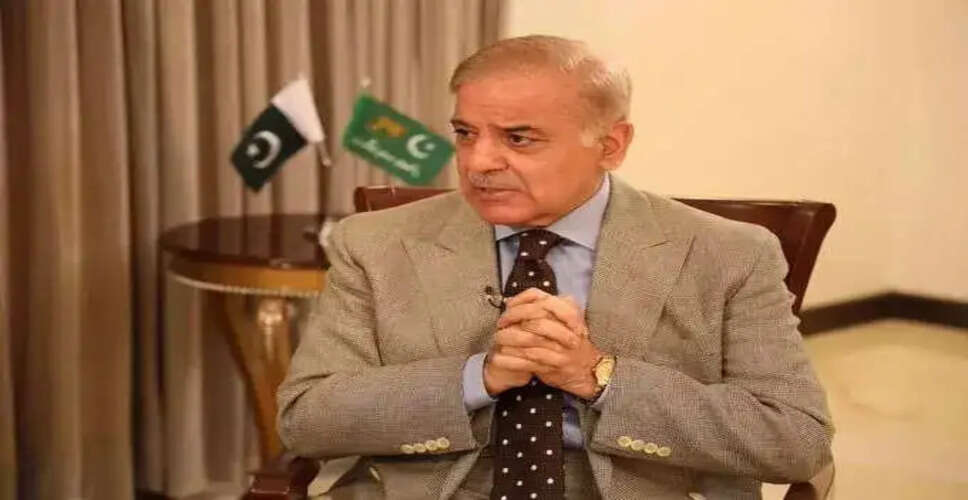
Criticism of Pakistan's Mediation Proposal
Douglas Macgregor, a retired US Army Colonel and geopolitical analyst, has expressed strong disapproval of Pakistan's recent proposal to mediate in the ongoing conflict involving Iran. He labeled the offer as 'ludicrous nonsense' and raised doubts about Pakistan's credibility on the international stage. In a discussion, Macgregor emphasized that Pakistan's internal turmoil and economic difficulties render it an improbable candidate for peace negotiations. He metaphorically described the situation, saying, 'For the Pakistanis to offer help is sort of like a man in a burning building offering you a spare room.'
Macgregor further argued that Israel would not perceive Pakistan as a neutral facilitator but rather as part of the issue, making any negotiations in Islamabad unrealistic. He stated, 'If the Israelis were told to meet in Islamabad for discussions, they would find it laughable. Why should we trust anything those people say?' He reiterated that Pakistan's involvement would complicate rather than aid the peace process.
In contrast, Macgregor suggested that India might be in a better position to mediate, citing Prime Minister Narendra Modi's international reputation and New Delhi's relationships with various global leaders, including Vladimir Putin, Iran, and Israel. He noted that former President Donald Trump might be more receptive to initiatives led by India.
These comments come as the conflict involving the US, Israel, and Iran continues to escalate, now entering its fourth week. The situation has seen increased hostilities, with ongoing Israeli strikes on Iranian sites and missile retaliations from Tehran. Tensions are also rising in the Strait of Hormuz, where Iran has tightened control over crucial shipping routes, contributing to soaring global oil prices and economic concerns.
Trump has urged Iran to take negotiations seriously, linking any potential ceasefire to the reopening of the Strait of Hormuz. However, Tehran has dismissed US demands, insisting it will only end the conflict on its own terms and rejecting indirect negotiations through intermediaries. With casualties increasing and no resolution in sight, Macgregor warned that the conflict could persist, highlighting the absence of a clear exit strategy and the potential for significant disruptions to global energy supplies.