
US Coast Guard Seizes Over 6,000 Pounds of Cocaine Near Colombia

Major Drug Interception by US Coast Guard
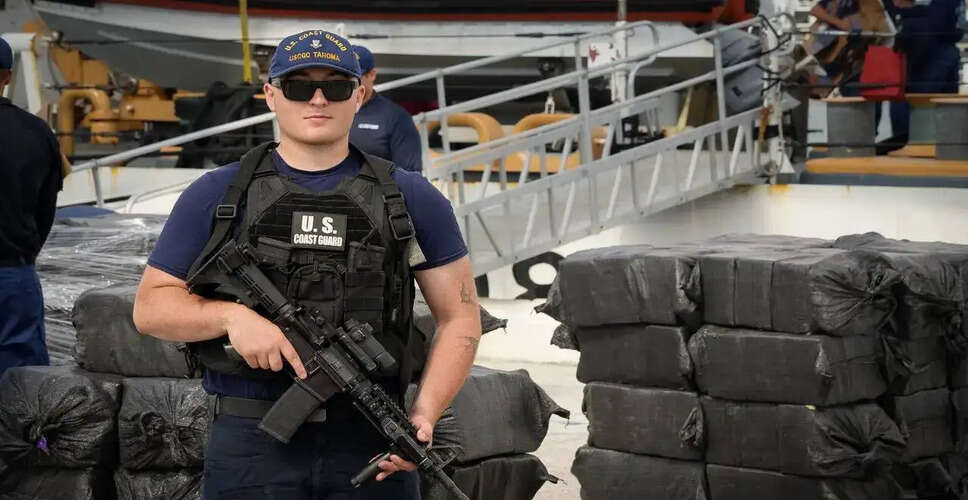
In a significant maritime counter-narcotics operation, the United States Coast Guard has intercepted and confiscated more than 6,000 pounds of cocaine valued at approximately $45.8 million near the Colombian coastline. This operation highlights the persistent issue of drug trafficking in the Caribbean region. According to officials from the Coast Guard, the event took place around 80 miles west of Cartagena, Colombia, where a specialized aviation unit known as the Helicopter Interdiction Tactical Squadron (HITRON) intercepted a vessel suspected of smuggling drugs.
Relentless operations to stop narco-terrorism.@USCGSoutheast crews aboard CGC Tahoma and an embarked helicopter seized approximately 6,085 pounds of cocaine worth nearly $45.8 million Saturday after stopping three vessels off the coast of Colombia. The interdiction required… pic.twitter.com/5unto8ycBr
— U.S. Coast Guard (@USCG) May 14, 2026
Use of Disabling Fire During Interdiction
The operation intensified when initial warning shots failed to halt the fleeing vessels. The Coast Guard reported that disabling fire was ultimately necessary to immobilize the boats, allowing boarding teams to secure the suspects. Nine individuals believed to be involved in drug smuggling were arrested during this operation. The intercepted vessels were later sunk after being deemed a threat to maritime navigation. The seized narcotics were subsequently transported to Port Everglades in Florida.
HITRON's Critical Role in Drug Enforcement
HITRON is recognized as one of the most specialized aviation units within the Coast Guard, playing a crucial role in the United States' anti-narcotics efforts in the Caribbean and Eastern Pacific. This unit operates armed helicopters specifically designed to pursue and disable high-speed smuggling boats commonly used by international cocaine trafficking organizations transporting drugs from South America. The Coast Guard noted that this operation involved extensive collaboration with US Southern Command, Joint Interagency Task Force South, and regional allies, reflecting the increasingly militarized approach to maritime drug enforcement in the Caribbean. The waters off Colombia are notorious for being a major transit zone for narcotics due to the country's historical involvement in global cocaine production. US officials have consistently warned that drug smuggling tactics have evolved, with traffickers utilizing semi-submersibles, fast boats, encrypted communications, and complex transport networks. This latest seizure not only marks a tactical victory but also underscores Washington's ongoing commitment to maritime security in the region.