
US and Iran Explore Diplomatic Solutions Amid Ongoing Conflict
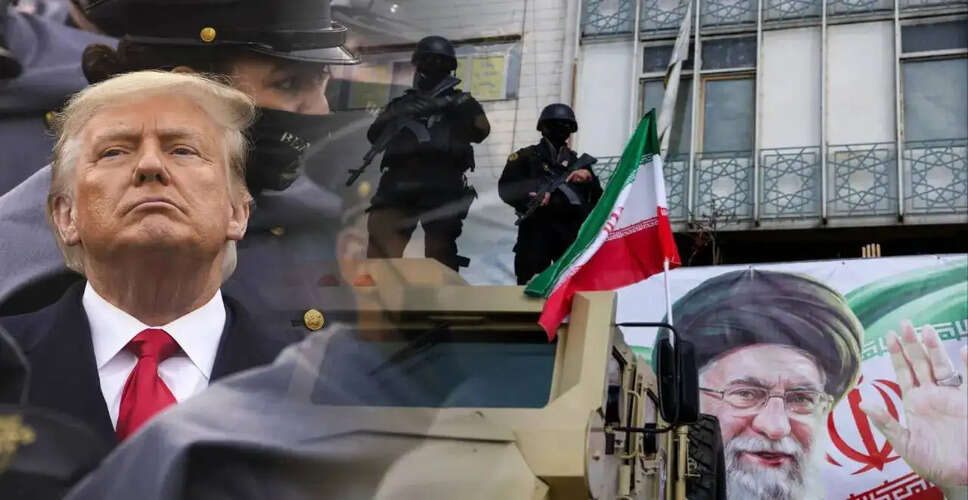

Potential Diplomatic Breakthrough
After a prolonged period marked by airstrikes, naval blockades, and missile exchanges, the United States and Iran appear to be moving towards a possible diplomatic resolution. Central to this initiative is a one-page memorandum of understanding that, while lacking in public detail, could have significant geopolitical implications. Reports indicate that negotiators from both Washington and Tehran are working on a 14-point framework aimed at ceasing the ongoing conflict and paving the way for broader nuclear discussions. Although no agreements have been finalized, diplomats suggest that this is the closest the two nations have come to a temporary accord since the onset of hostilities.
Details of the Proposed Agreement
What The Memo Actually Proposes
The memorandum is said to serve more as a temporary stabilization tool rather than a comprehensive peace treaty. Under the current proposal, Iran would agree to halt uranium enrichment for an extended period, estimated to be between 12 to 15 years. In return, the United States would gradually lift sanctions and release billions of dollars in Iranian assets that are currently frozen. Another key aspect of the proposal includes restoring more open commercial shipping through the Strait of Hormuz, a critical area that has seen heightened tensions due to Iranian restrictions on maritime routes. The framework also aims to establish a 30-day negotiation period to work towards a more extensive long-term agreement, with potential meeting locations including Islamabad and Geneva.
Core Issues Surrounding Nuclear Provisions
The Nuclear Provisions Are The Core Issue
At the core of the memorandum lies the contentious issue of uranium enrichment, which has been a focal point of US-Iran tensions for many years. Reports suggest that the United States is seeking formal commitments from Iran to:
- halt enrichment activities,
- renounce any ambitions for nuclear weapons,
- close underground nuclear facilities,
- and accept enhanced inspection protocols, including surprise checks by UN monitors.
Even if this memorandum is successful, it would not resolve the fundamental rivalry between Washington and Tehran. However, it could serve to de-escalate a rapidly intensifying regional conflict that has already disrupted global shipping, energy markets, and military stability in West Asia. The ongoing war has severely affected parts of the Hormuz shipping corridor, led to repeated missile and drone exchanges, and heightened concerns about broader regional instability involving Gulf states and proxy groups.